
DINING
2026.11.09
[Neighborhood Chinese Restaurant Trick] Weekday only! Ebina City Hall’s “Ebina Hanten” edition: Why choose the “Half Fried Rice and Whole Chicken Chinese Noodle Set” without hesitation?
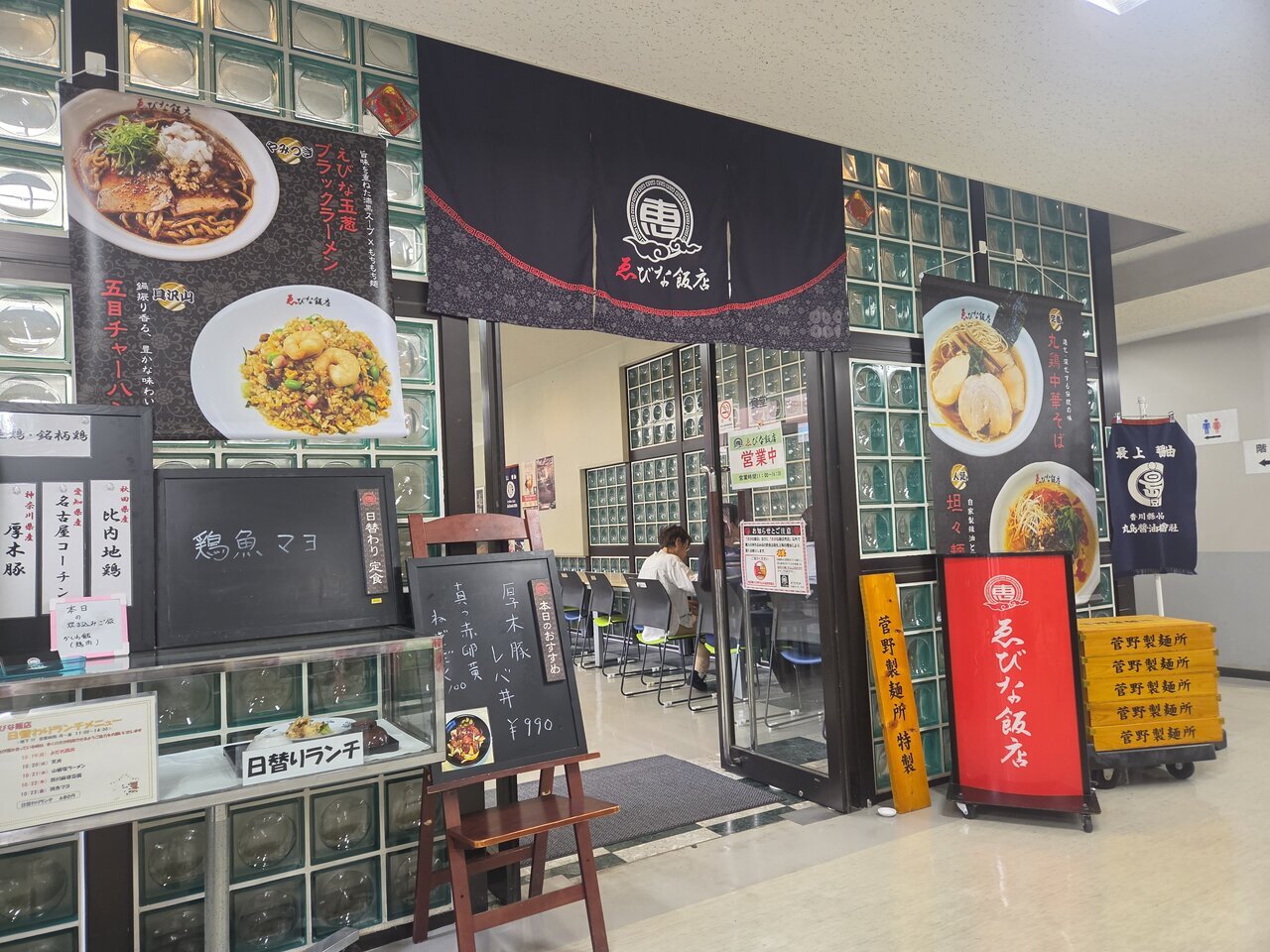
“Ebina Hanten” is located in the basement of Ebina City Hall in Kanagawa Prefecture. In the familiar setting of a cafeteria in a government office, there’s a loving psychological trick hidden that makes customers feel happy. Many people come expecting “cheap, simple lunch,” yet end up choosing the “authentic ramen set” costing over 1,000 yen without hesitation—what’s the secret?
The magic triggered by the “weekday lunch only” hurdle
The first thing you need to know before visiting Ebina Hanten is how short its business hours are. It’s closed on weekends and holidays, and on weekdays it’s open for just three hours: from 11:00 to 14:00.
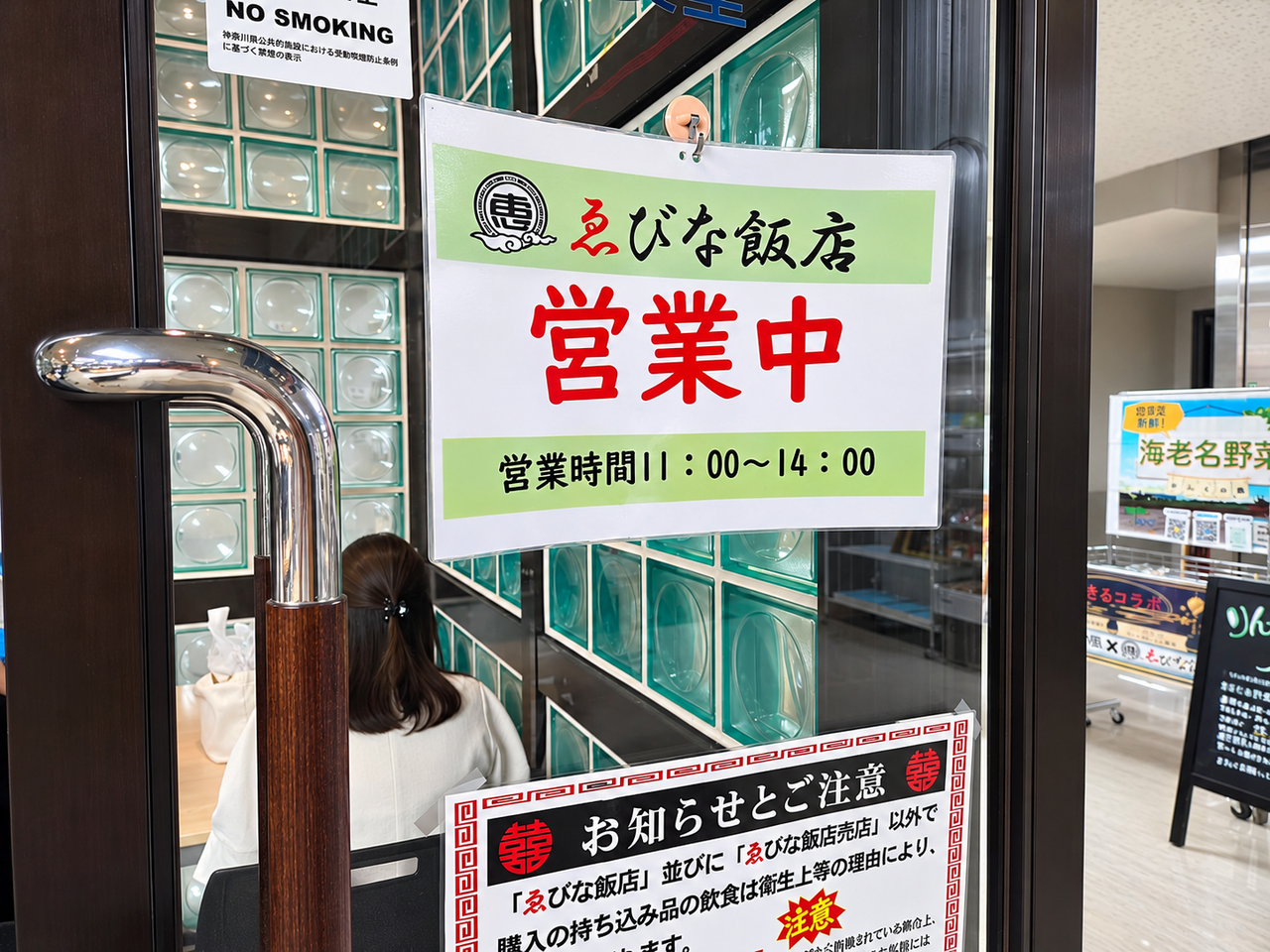
This hurdle of “only open at lunchtime on weekdays” strongly stimulates what behavioral economics calls the “scarcity principle.”
People are said to unconsciously feel a special value not toward things “available anytime,” but toward “limited chances available only now.” “Since I happened to be able to come during this weekday time, I absolutely have to eat here.” As we descend the stairs leading underground, our expectations naturally rise.
People are said to unconsciously feel a special value not toward things “available anytime,” but toward “limited chances available only now.” “Since I happened to be able to come during this weekday time, I absolutely have to eat here.” As we descend the stairs leading underground, our expectations naturally rise.
The gap and visual guidance hidden in the “upper left” of the ticket machine
When it comes to a cafeteria in a government office, you’d usually imagine a lineup of meals costing under one coin, but here at "Ebina Hanten" there’s a whole array of proper dishes priced above 500 yen. Among them, occupying the prime spot at the upper-left corner of the ticket machine—the first place your eyes land—is the most popular item, the “Half Fried Rice and Whole Chicken Chinese Noodle Set” (1,380 yen).
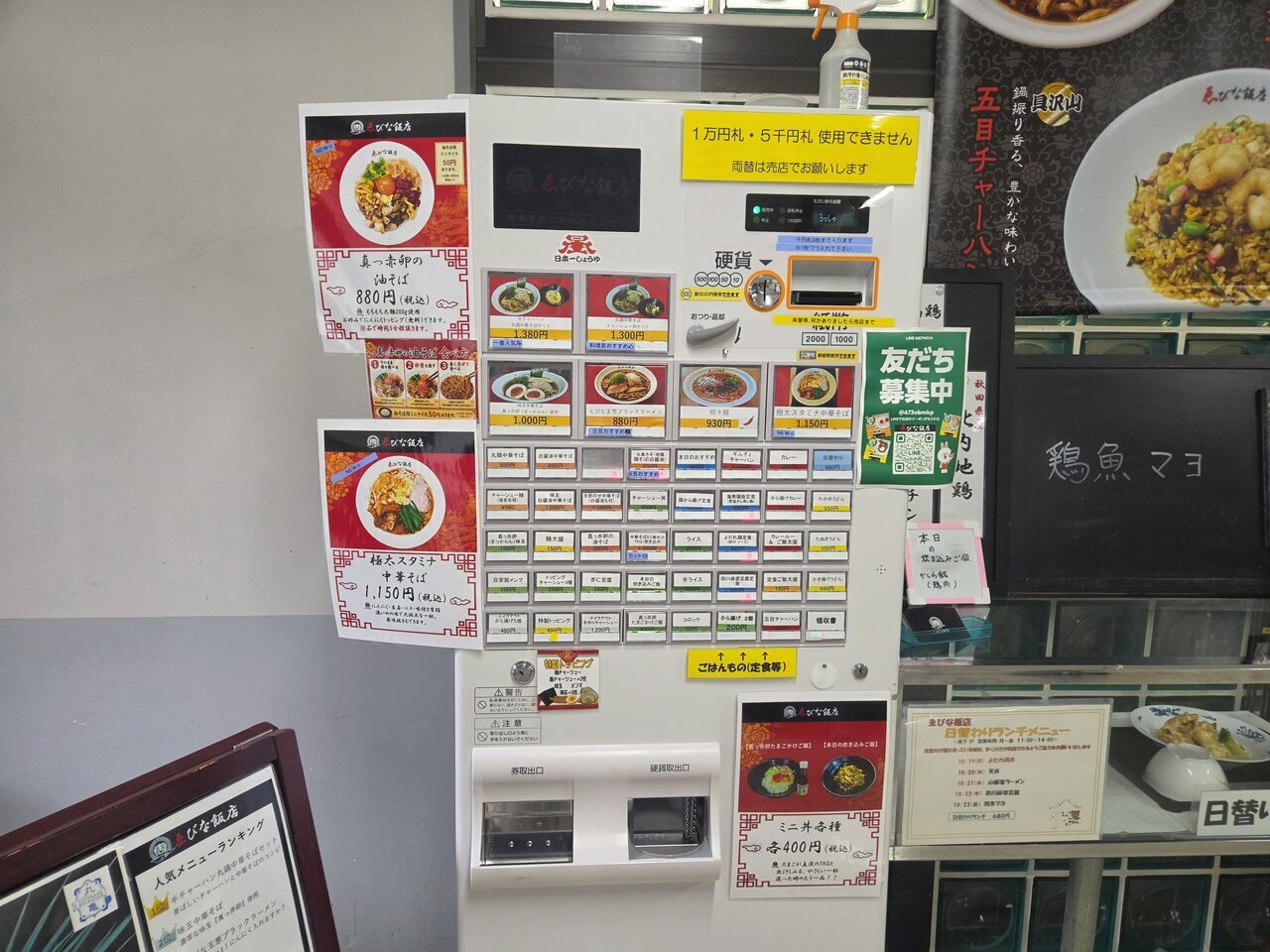
What makes us casually reach for this button is a combination of the “expectation gap effect” and a “gaze-guiding trick” that takes advantage of human habits. When people look at a menu, they unconsciously move their eyes in a way that traces the letter “Z” from the upper left to the lower right (the Z-pattern). In other words, the upper-left corner is the absolute best seat in the house—the one customers standing in front of the ticket machine will always see first.
On top of that, the special feeling of “being open for only three hours at lunchtime on weekdays” naturally gives rise to the thought, “Since this is such a rare opportunity, I should eat the recommended item!” And even for a set meal over 1,000 yen, you end up pressing the button without hesitation. Probably.
On top of that, the special feeling of “being open for only three hours at lunchtime on weekdays” naturally gives rise to the thought, “Since this is such a rare opportunity, I should eat the recommended item!” And even for a set meal over 1,000 yen, you end up pressing the button without hesitation. Probably.
A spacious retro space filled with the bustle of lunchtime
Once you enter with your meal ticket in hand, you’re greeted by a spacious, somewhat nostalgic space that feels very much like it belongs in the basement of city hall.
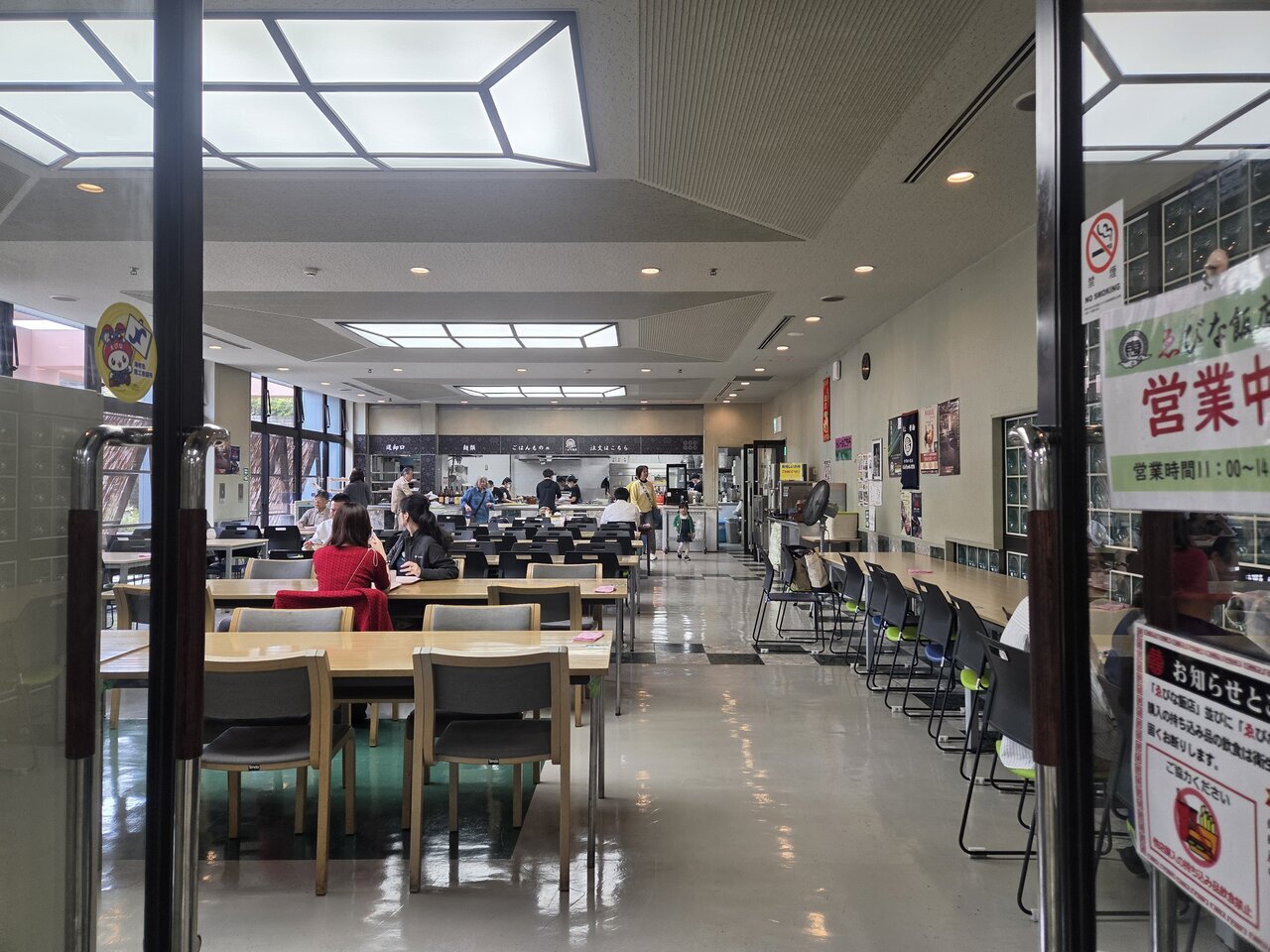
After handing over your meal ticket at the counter, receiving a numbered slip, and securing your seat, you wait. From behind the counter comes the lively sound of noodles being boiled with brisk efficiency and fried rice being tossed with crisp, satisfying rhythm. City hall employees and local residents fill the seats one after another as lunchtime begins, their faces bright with smiles.
When ordering, there’s even a specialty-shop-like option to choose between “thin noodles” or “handmade noodles.” Holding your numbered slip tightly, you wait for your customized bowl to be completed. The anticipation keeps growing.
When ordering, there’s even a specialty-shop-like option to choose between “thin noodles” or “handmade noodles.” Holding your numbered slip tightly, you wait for your customized bowl to be completed. The anticipation keeps growing.
A seriously high-quality bowl found in the basement of city hall
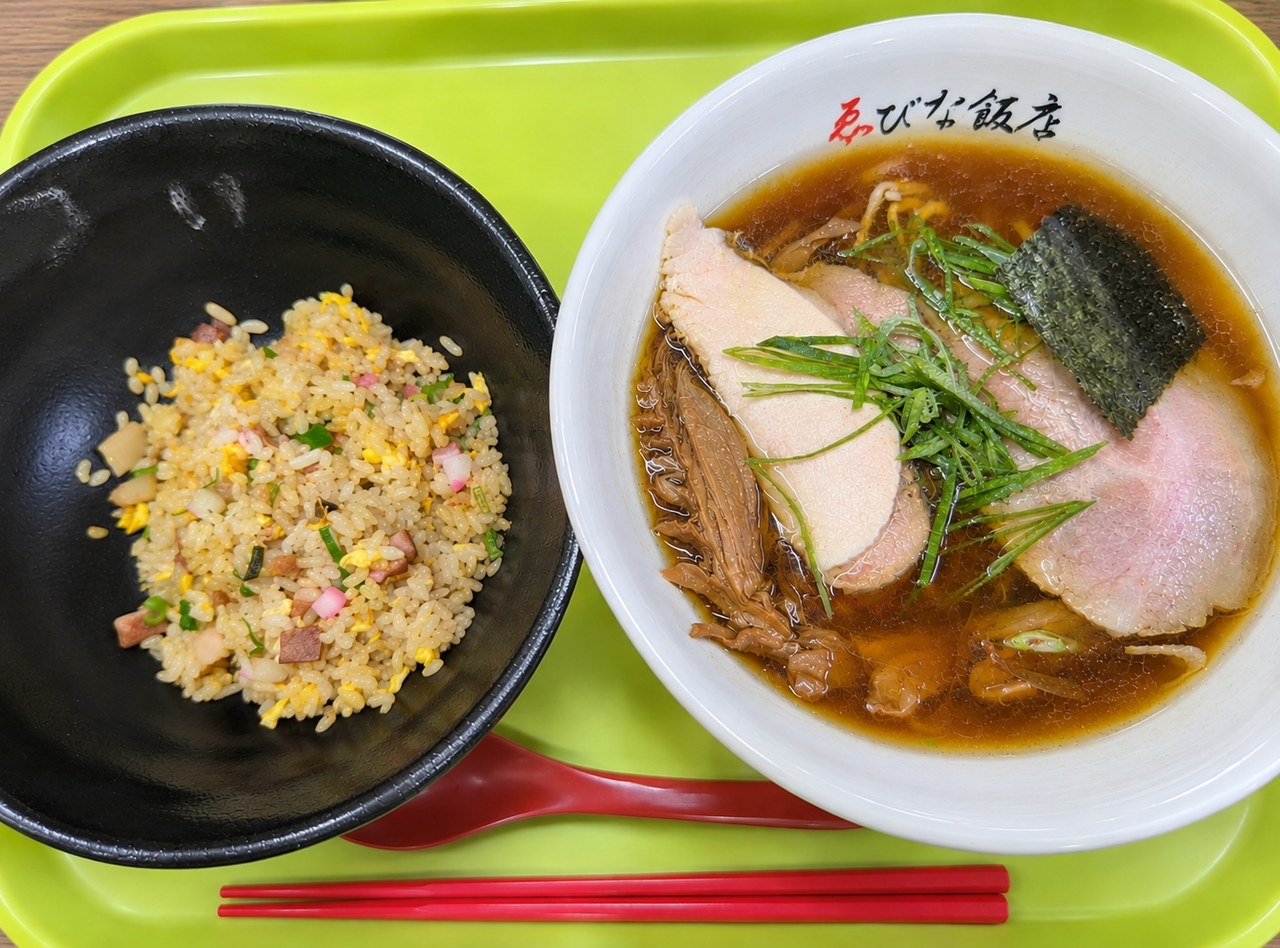
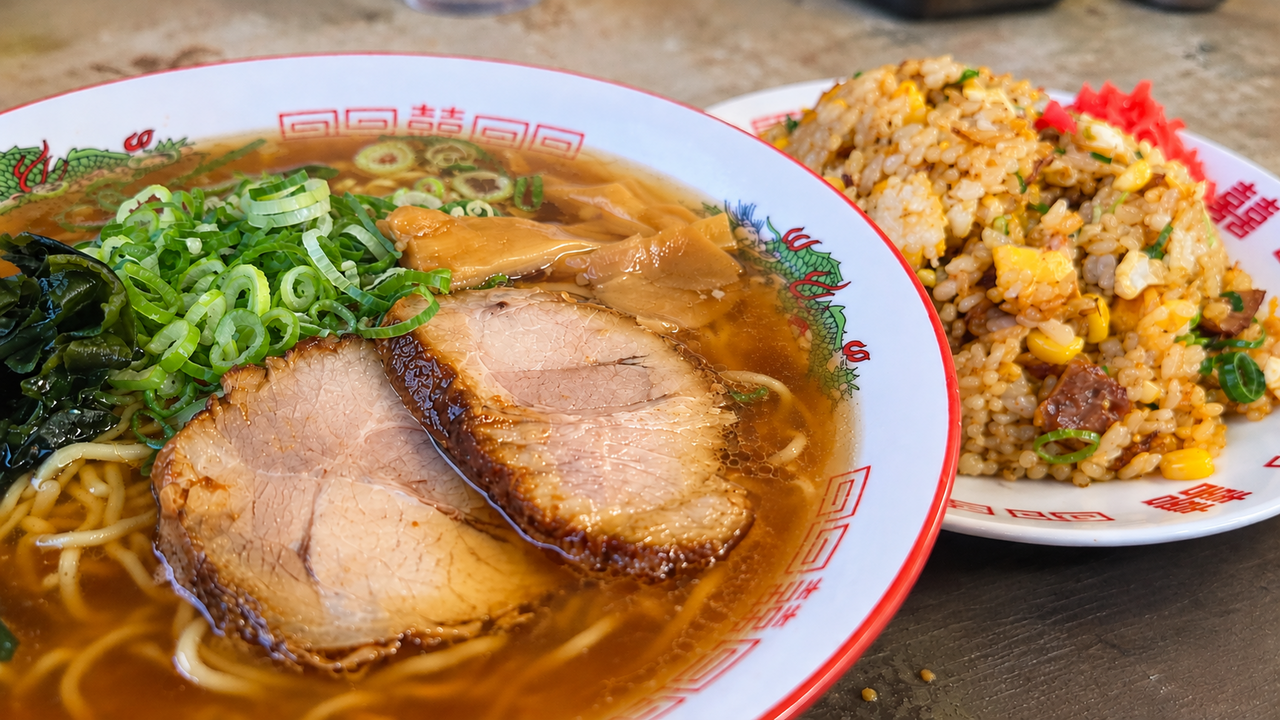
“Number XX, thank you for waiting!” comes the call, and you head to the counter to receive the “Half Fried Rice and Whole Chicken Chinese Noodle Set.” The savory soy aroma drifting from the ramen and the fragrant toasted-green-onion scent of the fried rice make your stomach rumble all at once.
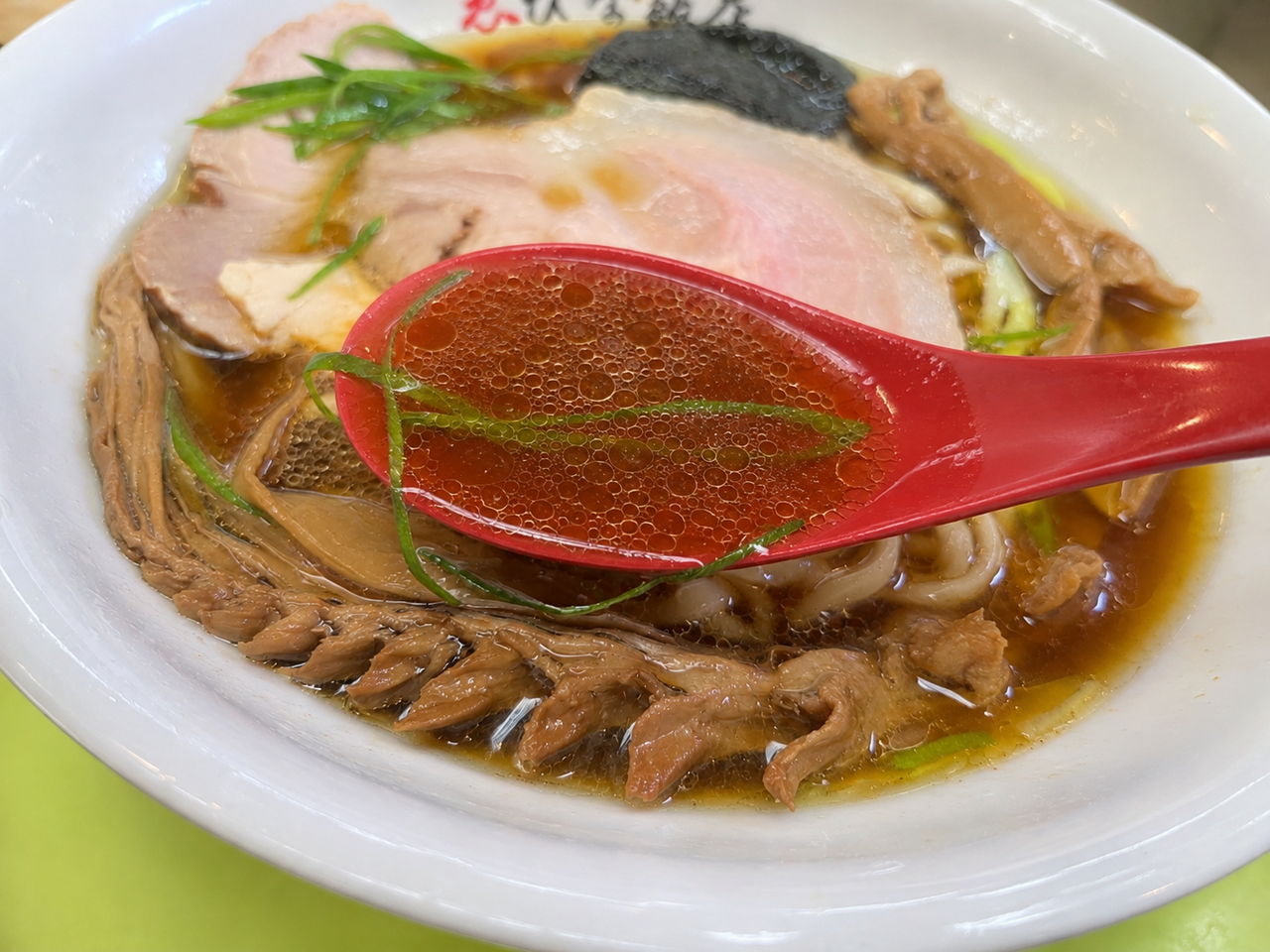
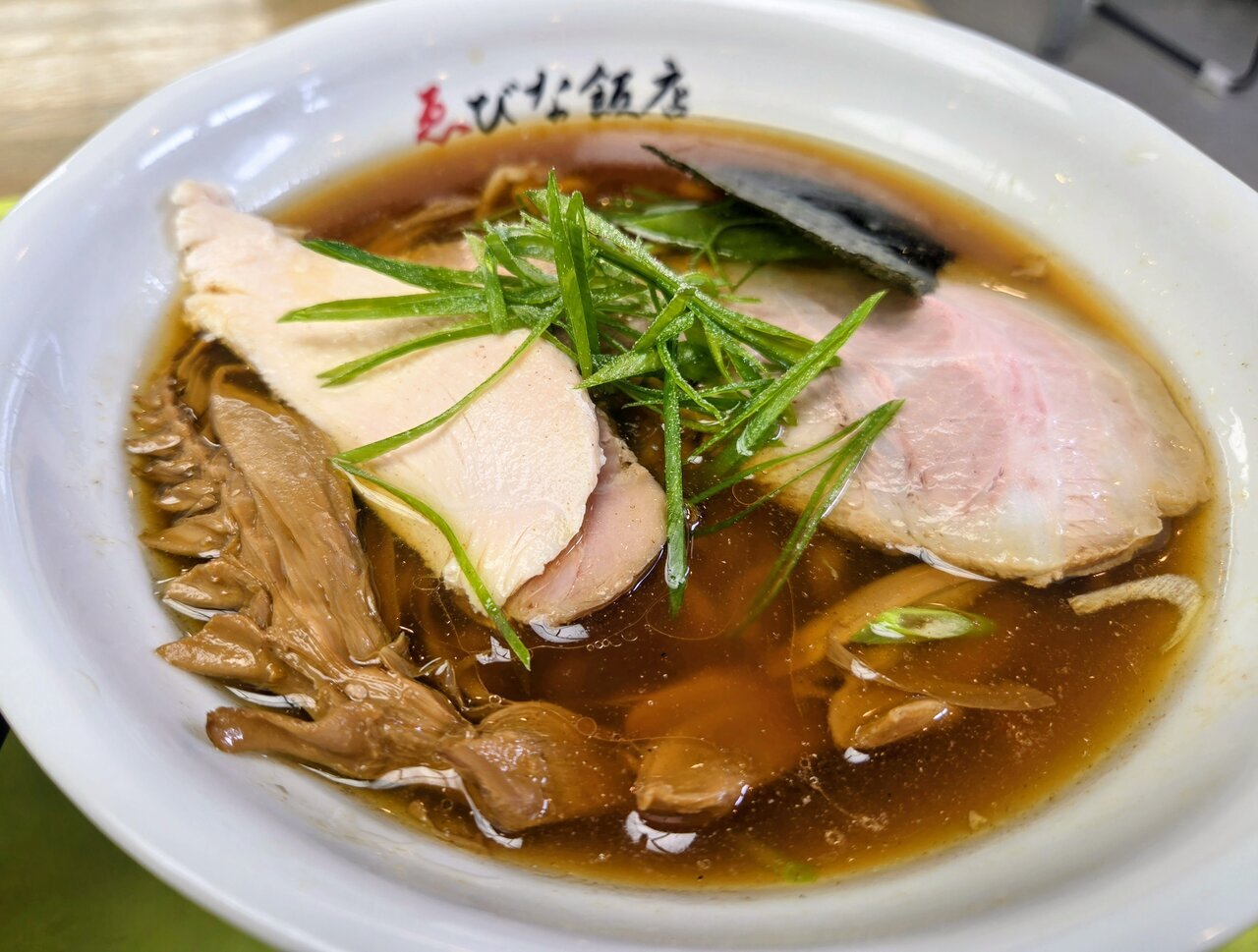
First, the spotlight is on the whole chicken broth. Scooped up with a spoon, the beautifully clear amber soup is topped with shimmering beads of premium chicken oil. One sip, and the depth of the whole chicken’s richness, combined with the sharp finish of the tare blended from “Saijo soy sauce” from Marushima Shoyu on Shodoshima in Kagawa Prefecture and “Nihon-Ichi soy sauce,” aged in wooden barrels in Machida, is exquisite! The fresh, rounded, gentle umami—close to raw soy sauce—seeps into every corner of your body, making you gasp at how delicious it is.
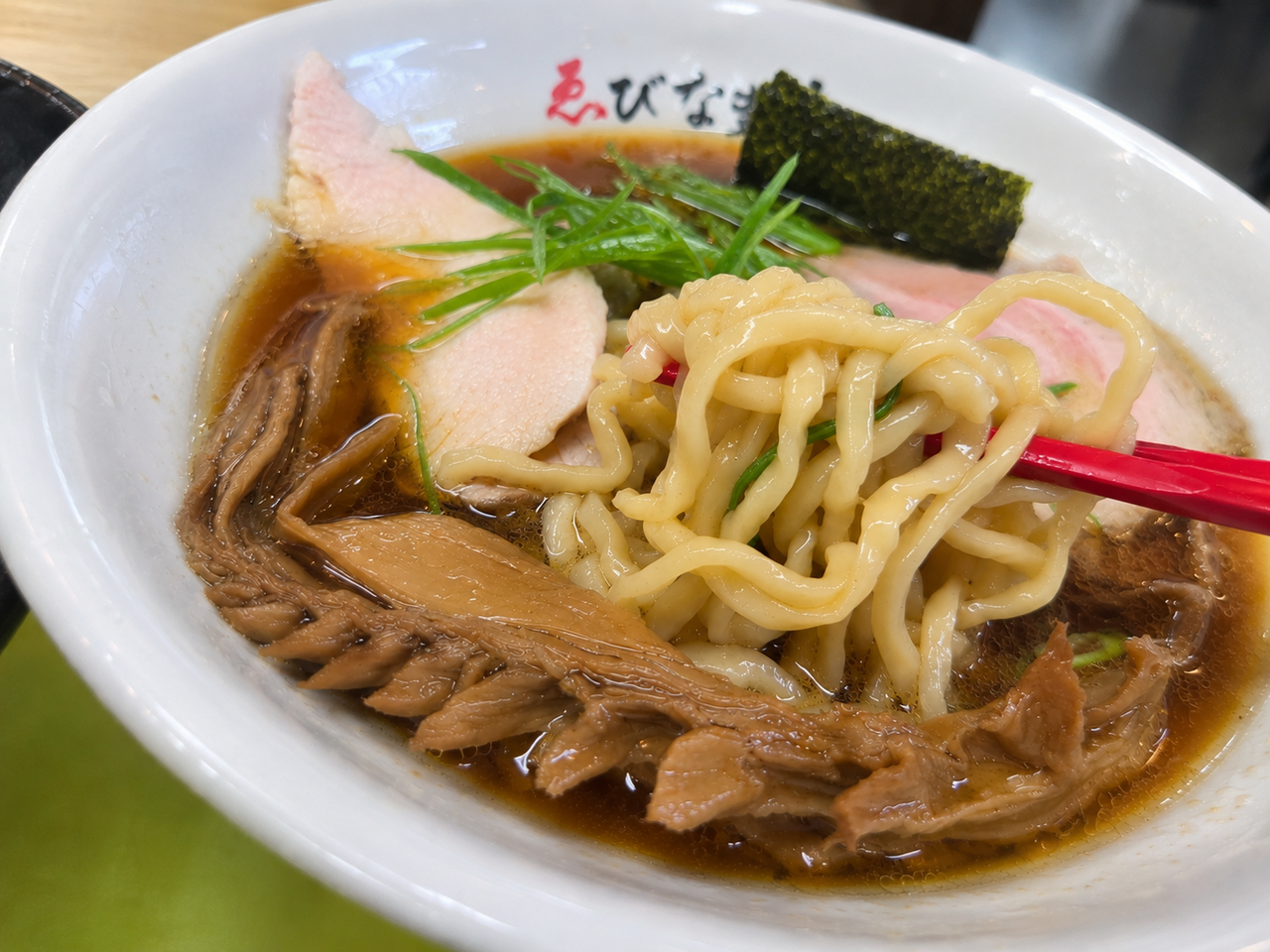
For the noodles, I chose “handmade noodles.” Lift them with your chopsticks, and thick, wavy noodles coated in the soup appear. Put them in your mouth, and the smooth, pleasant slurp and chewy, springy texture are irresistible.
What’s even more surprising is the lavishness of the toppings, completely beyond what you’d expect from a city hall cafeteria.
What’s even more surprising is the lavishness of the toppings, completely beyond what you’d expect from a city hall cafeteria.
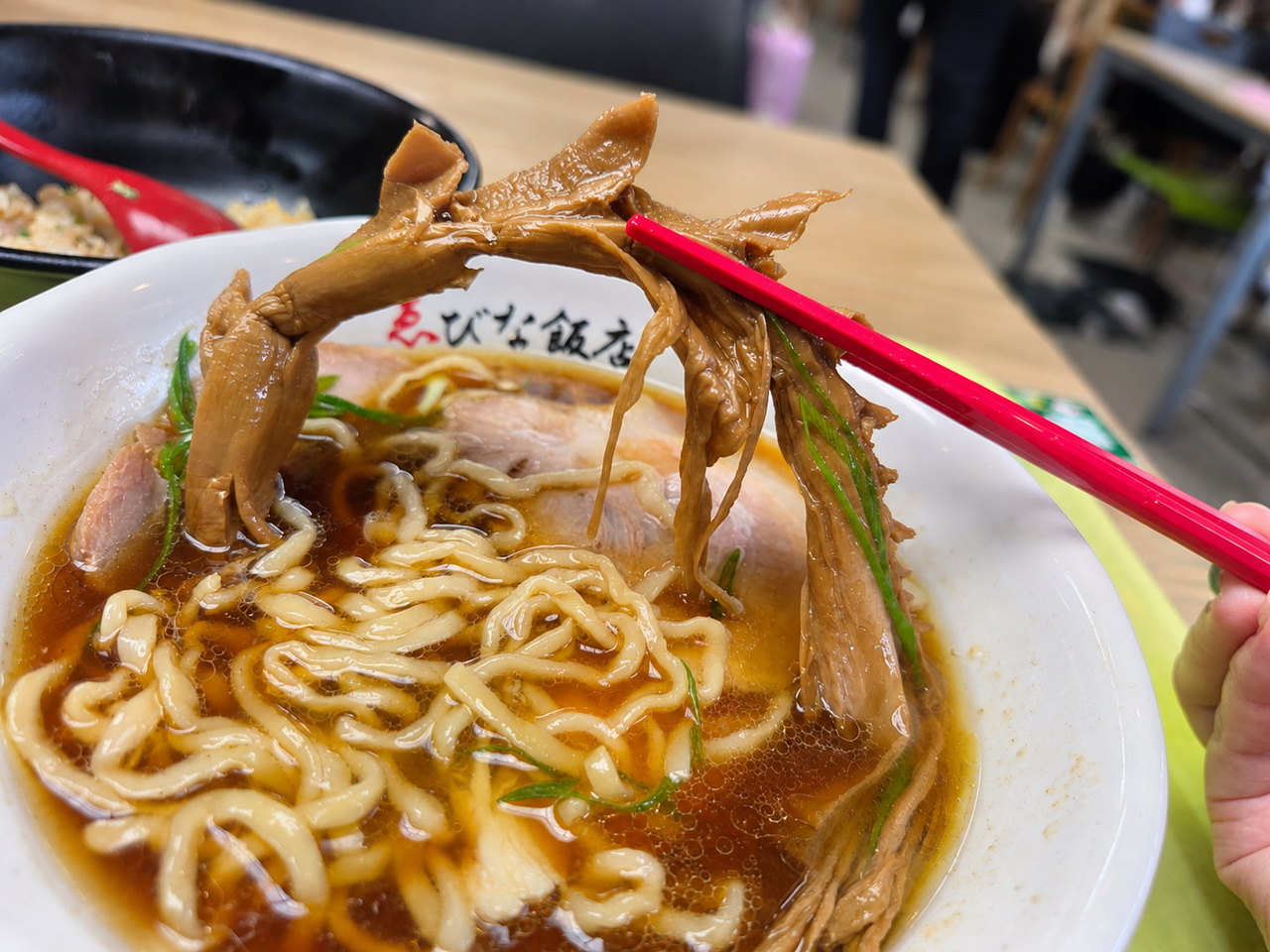
Especially eye-catching is this dramatic long menma! This strip of tip menma, lying around the rim of the bowl, is apparently made with the same dedication as a specialty ramen shop: it’s carefully rehydrated in the shop from dried menma over a long period of time. Lift it with your chopsticks and it’s astonishingly long and substantial, and when you bite into it, the pleasant crunch unique to rehydrated dried menma spreads through your mouth.
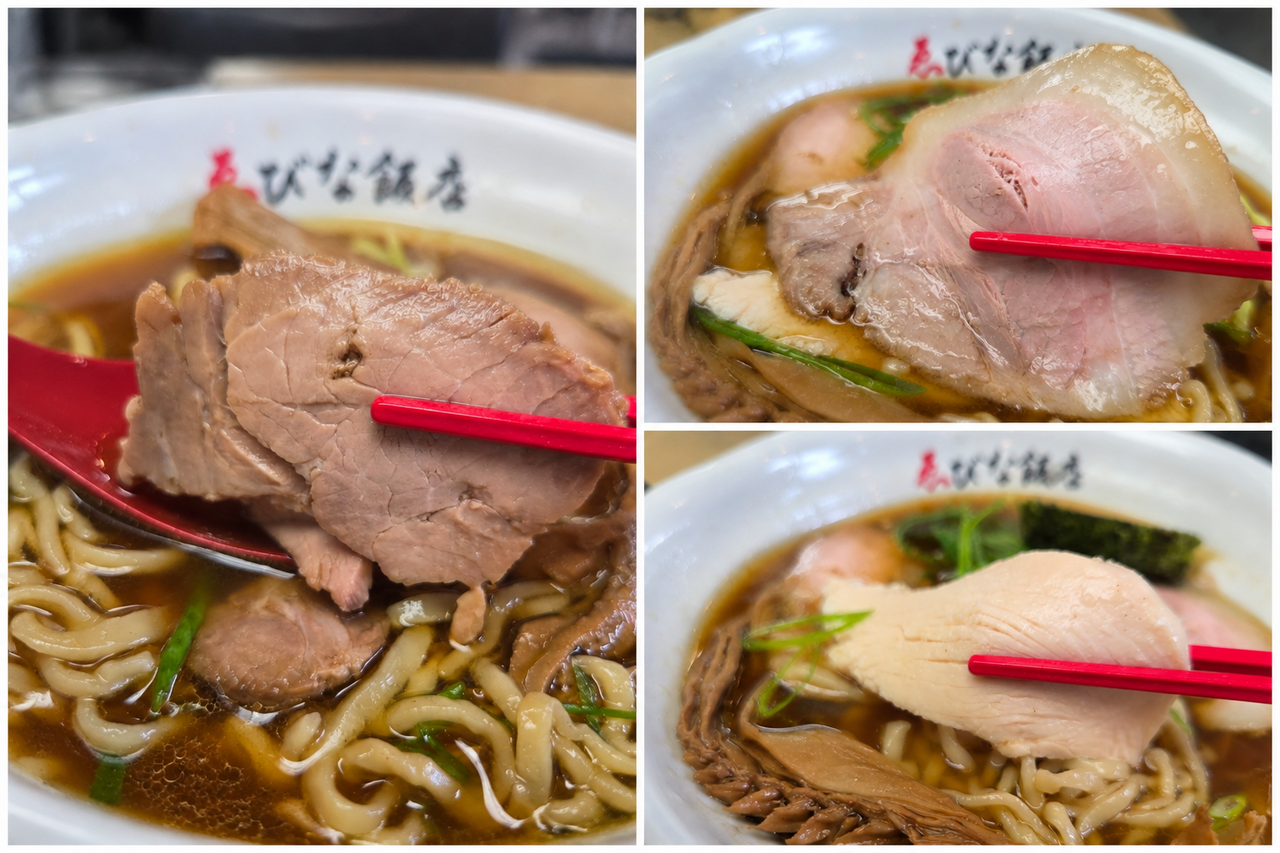
The carefully crafted chashu is in fact a luxurious, lavish three-type assortment. There’s “chicken chashu,” fluffy and melt-in-your-mouth from low-temperature cooking; “pork belly,” juicy with a great balance of fat and lean meat; and “pork thigh,” packed with meaty umami. All of them balance perfectly with the soup! Personally, I preferred the chicken chashu.
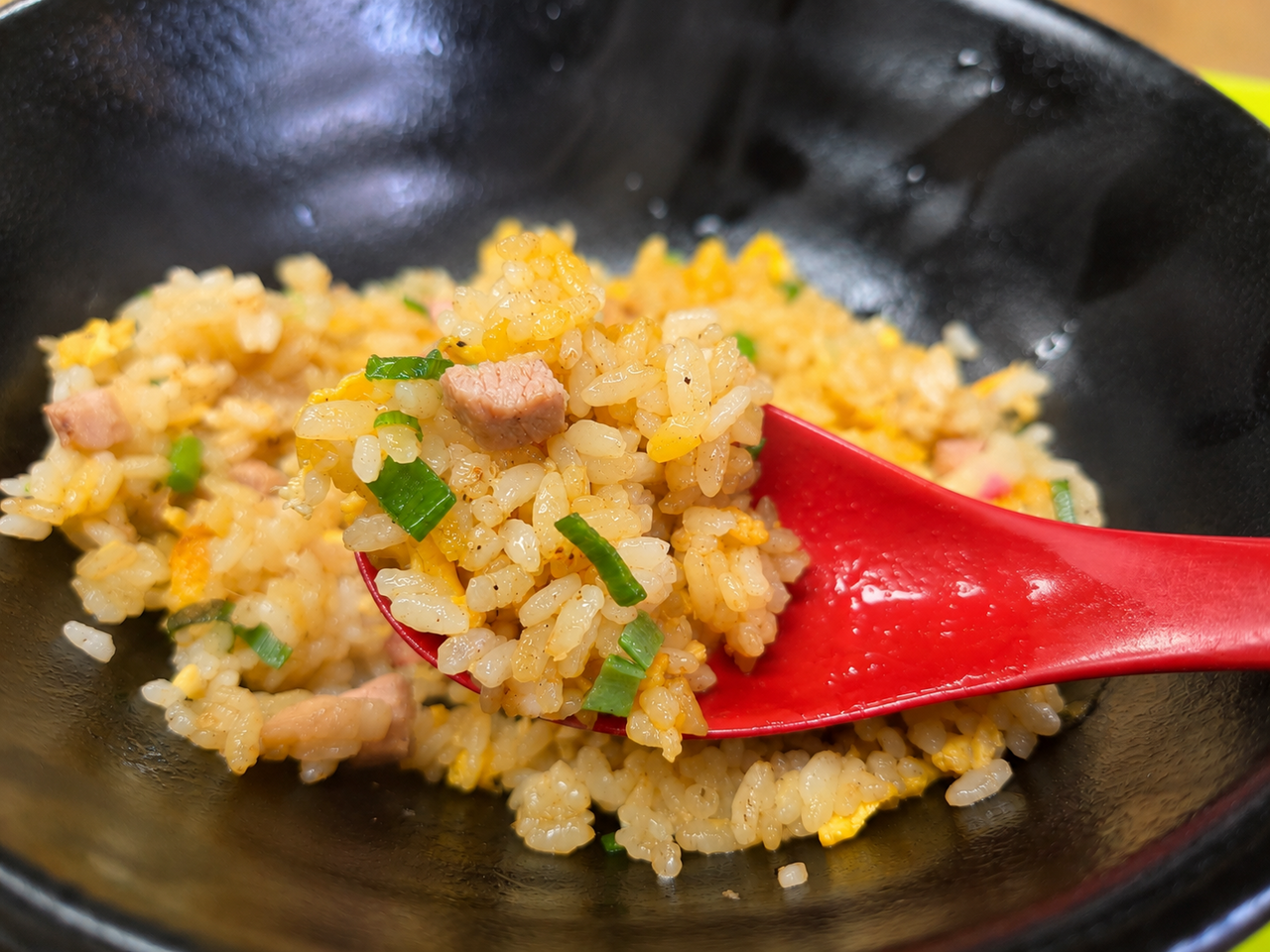
In between bites of ramen, I reach for the other star: the fried rice. When I dig in with the spoon, I find diced chashu, green onions, and egg in generous chunks, each grain of rice toasted to a fragrant, separate texture. This exquisite saltiness pairs wonderfully with the ramen broth scented with blended soy sauce, and I can’t stop eating.
Although it has the casual style of a self-service cafeteria, there isn’t a hint of compromise in the food that comes out. It doesn’t just fill you up; it conveys the shop’s seriousness about facing a single bowl of food with true dedication.
Although it has the casual style of a self-service cafeteria, there isn’t a hint of compromise in the food that comes out. It doesn’t just fill you up; it conveys the shop’s seriousness about facing a single bowl of food with true dedication.
With a smile, I’ll go meet that warm flavor again
Before I knew it, I had cleaned my plate, and my stomach and heart were filled with the fullest sense of satisfaction.
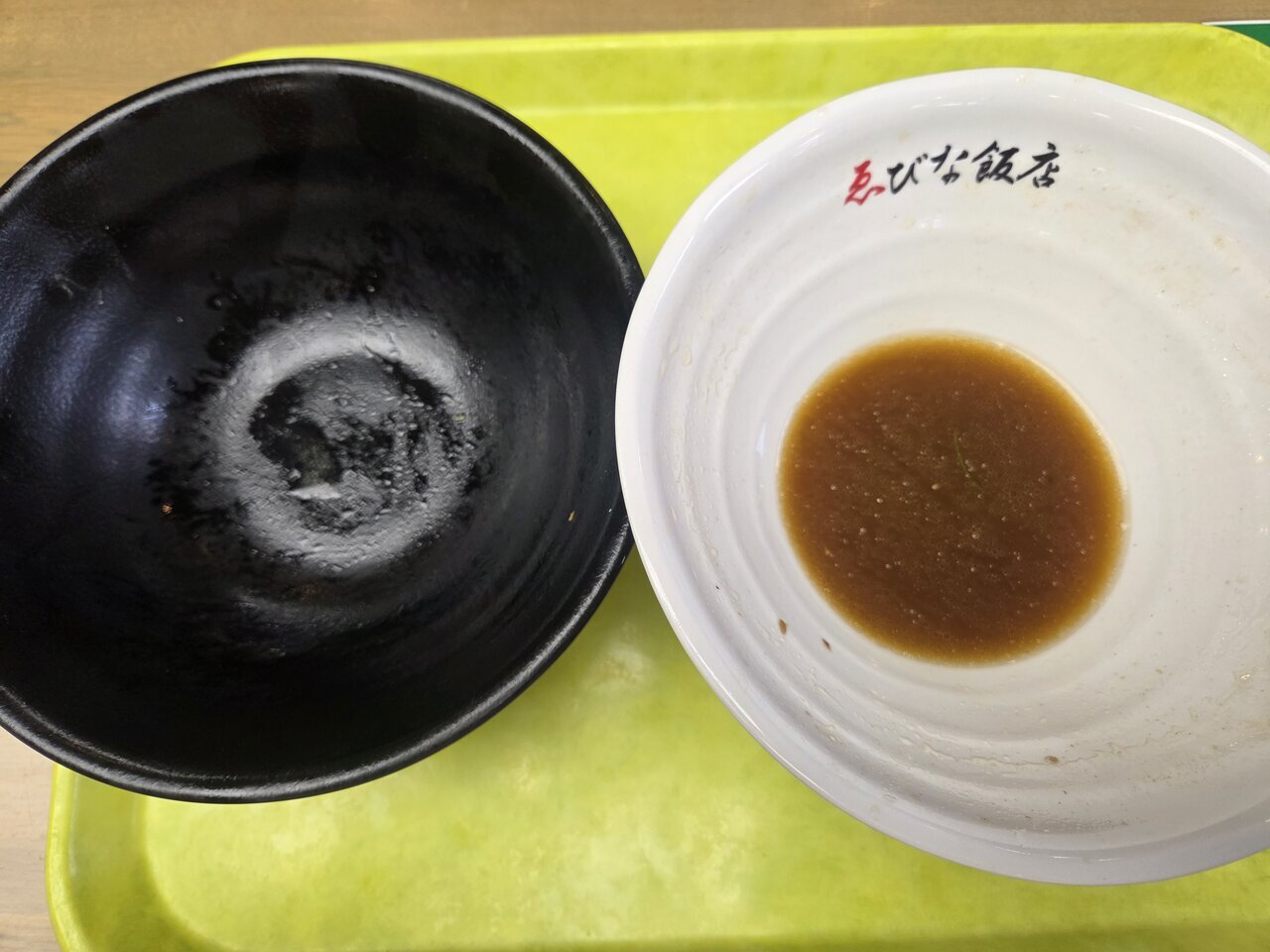
The psychological trick hidden in Ebina Hanten’s menu. It’s a brilliant scheme that moves people with the limited, weekday-lunch-only feel, and from the most eye-catching spot at the upper left of the ticket machine, conveys uncompromising, meticulously crafted deliciousness straight on. The deep richness of the blended soy sauce, the choice of handmade noodles, and ingredients with no shortcuts taken at all. Because this overwhelming quality is there, we can experience an exquisite reward time in the friendly, familiar setting of a government cafeteria.
I’m grateful to find such a loving psychological trick in a neighborhood Chinese restaurant. Savoring the lingering delicious aftertaste, I set off once again in search of the next great spot.
I’m grateful to find such a loving psychological trick in a neighborhood Chinese restaurant. Savoring the lingering delicious aftertaste, I set off once again in search of the next great spot.
Reporting and text / Yui Hara
- SHARE









 FASHION
 OUTDOOR
 WATCH
 CAR & BIKE
 SNAP
 DINING
 LIFE
 GADGET
 GOLF