
OUTDOOR
2026.08.28
The cool "Otome Lake (Kotogawa Dam)" located at an elevation of about 1500m in Kofu, Yamanashi Prefecture, is targeted for giant Yamame
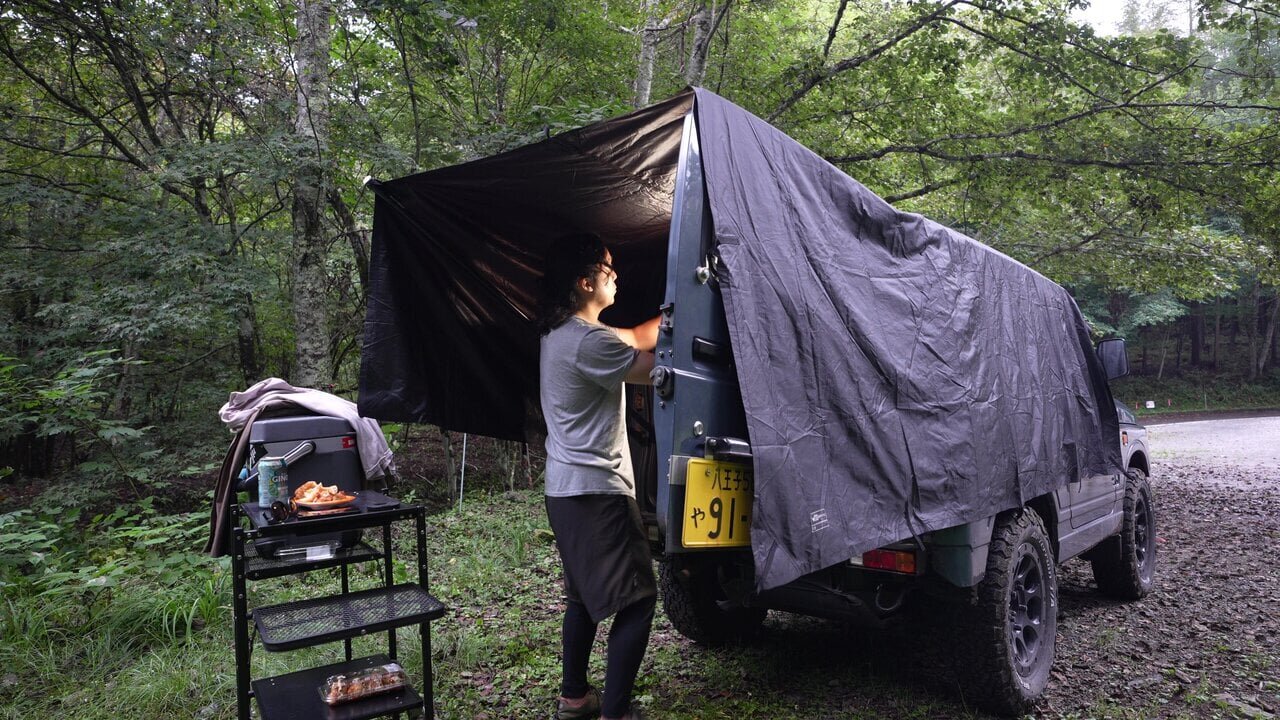
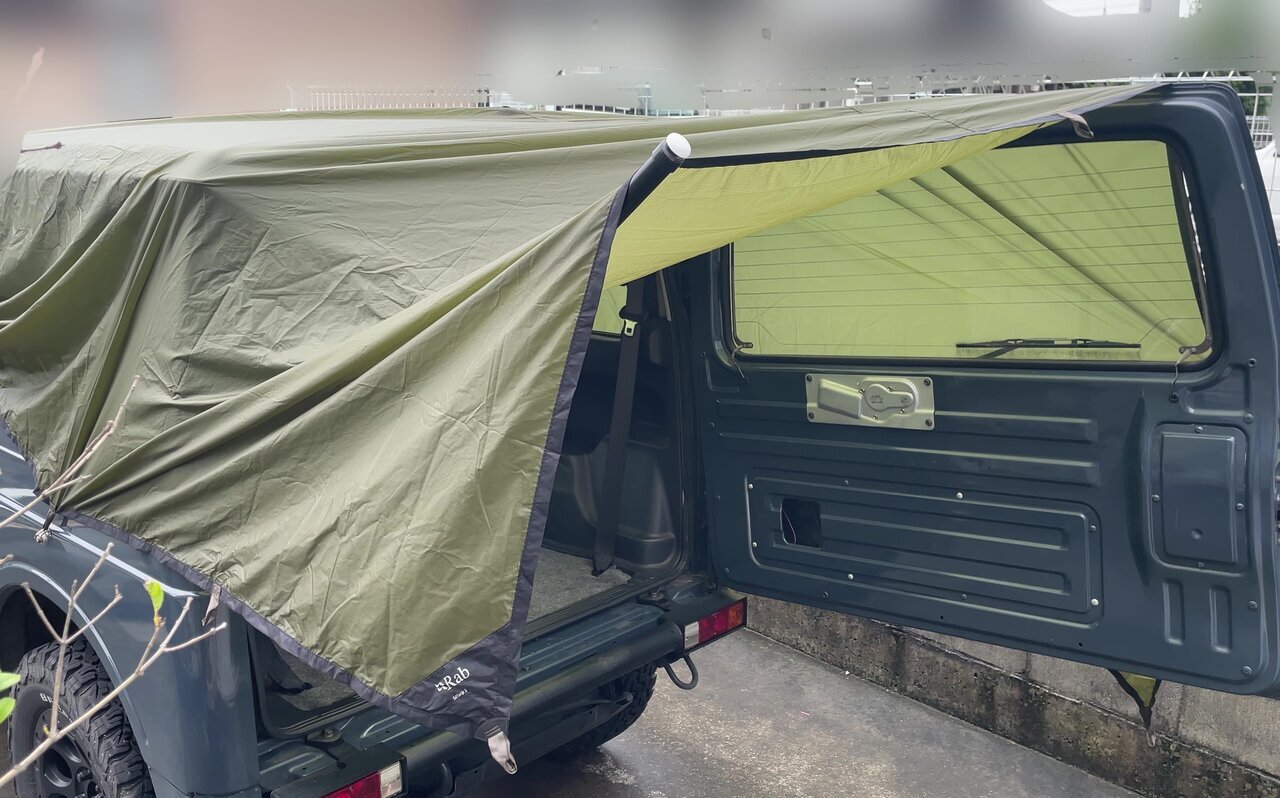
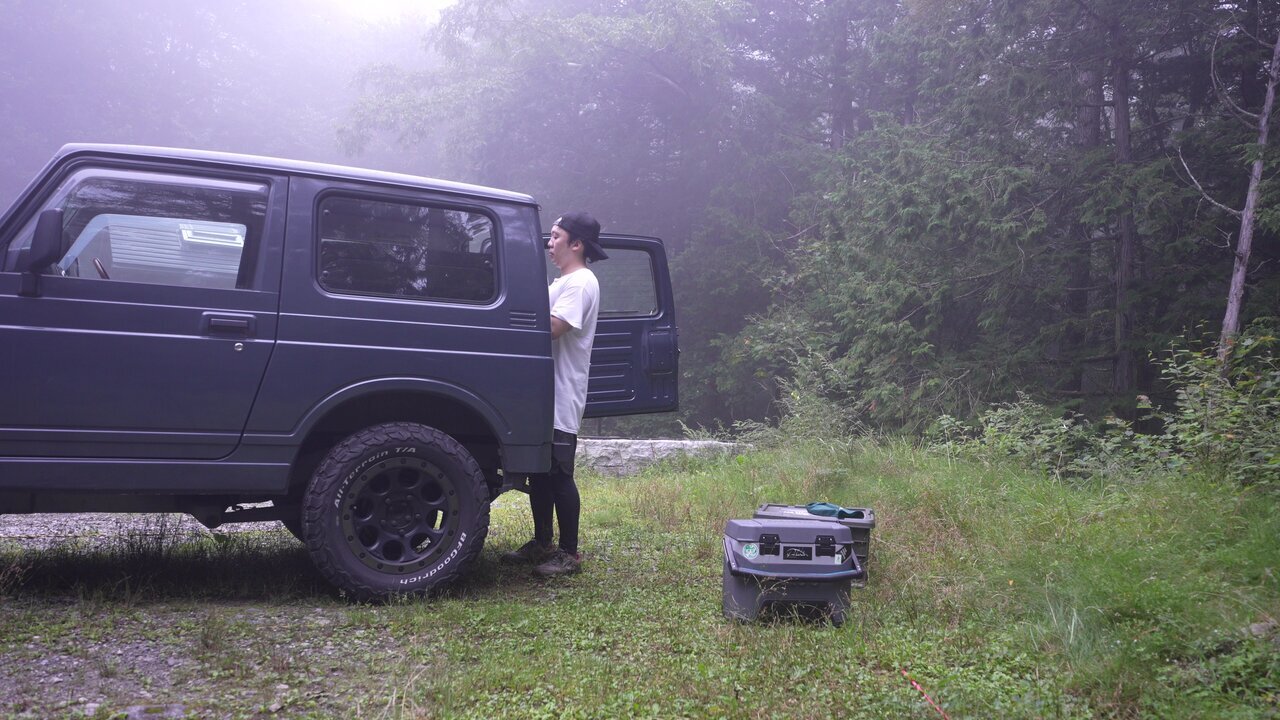
There's information that there are resident giant Yamame at "Otome Lake (Kotogawa Dam)" at an elevation of about 1500m. Since they are large, it seems quite difficult to catch them, but you won't know unless you try! I drove my Jimny and headed to the field.
Kinchuan Dam (Otomelake) is a lake aiming for the complete eradication of black bass
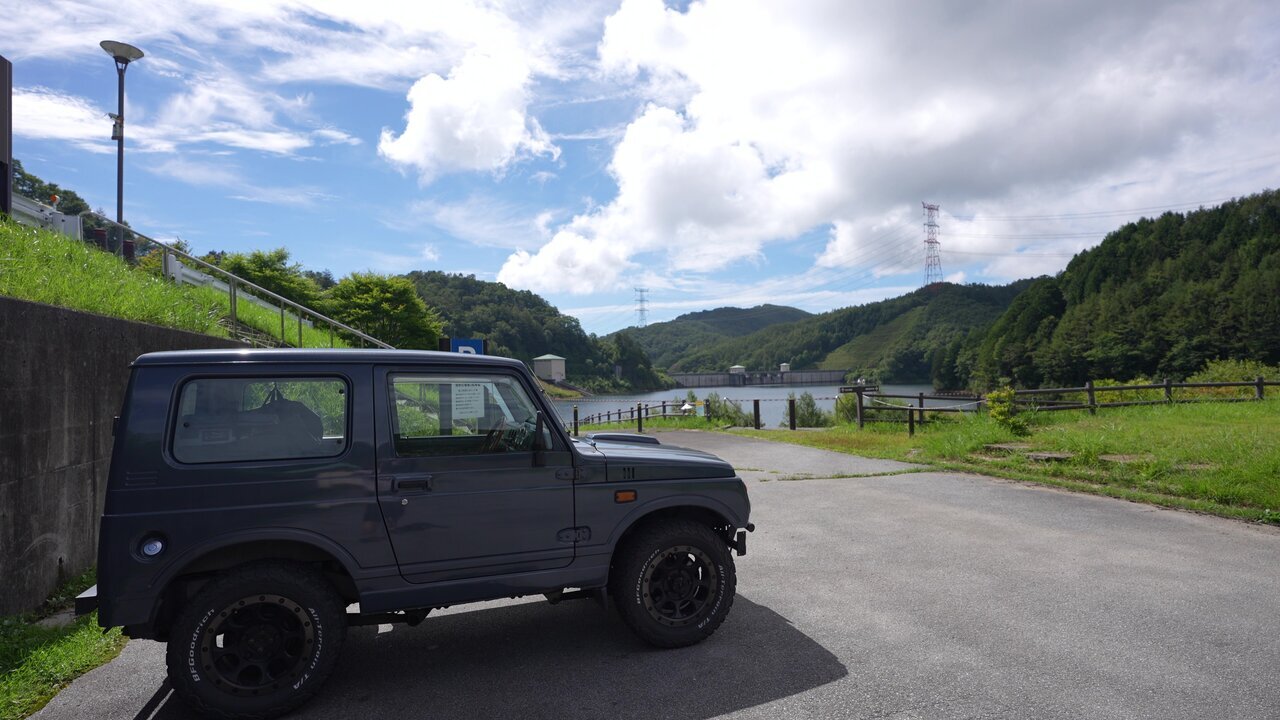
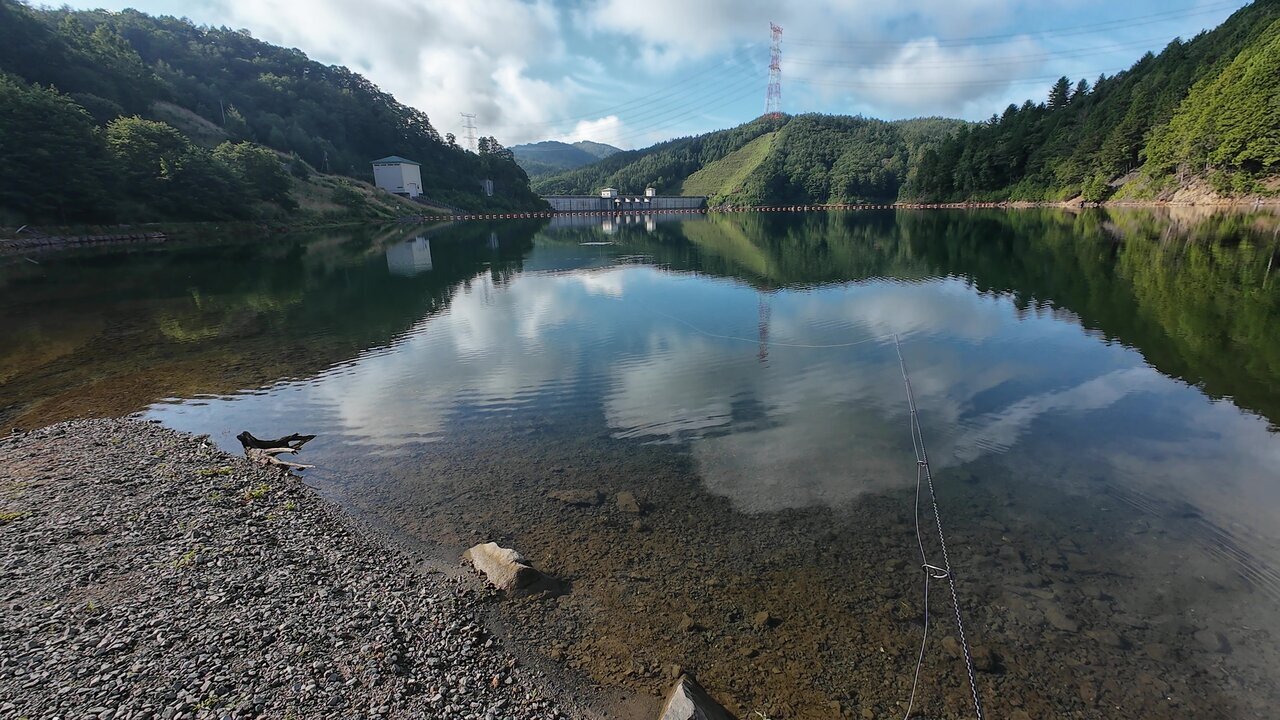
Kinchuan Dam (Otomelake) located in Kofu City, Yamanashi Prefecture, is the highest multi-purpose dam in Japan at an elevation of 1450m. Perhaps due to its high altitude, it is a rare dam lake where stream fish exist, and as someone who is hooked on stream fishing, I wanted to verify this information with my own eyes.
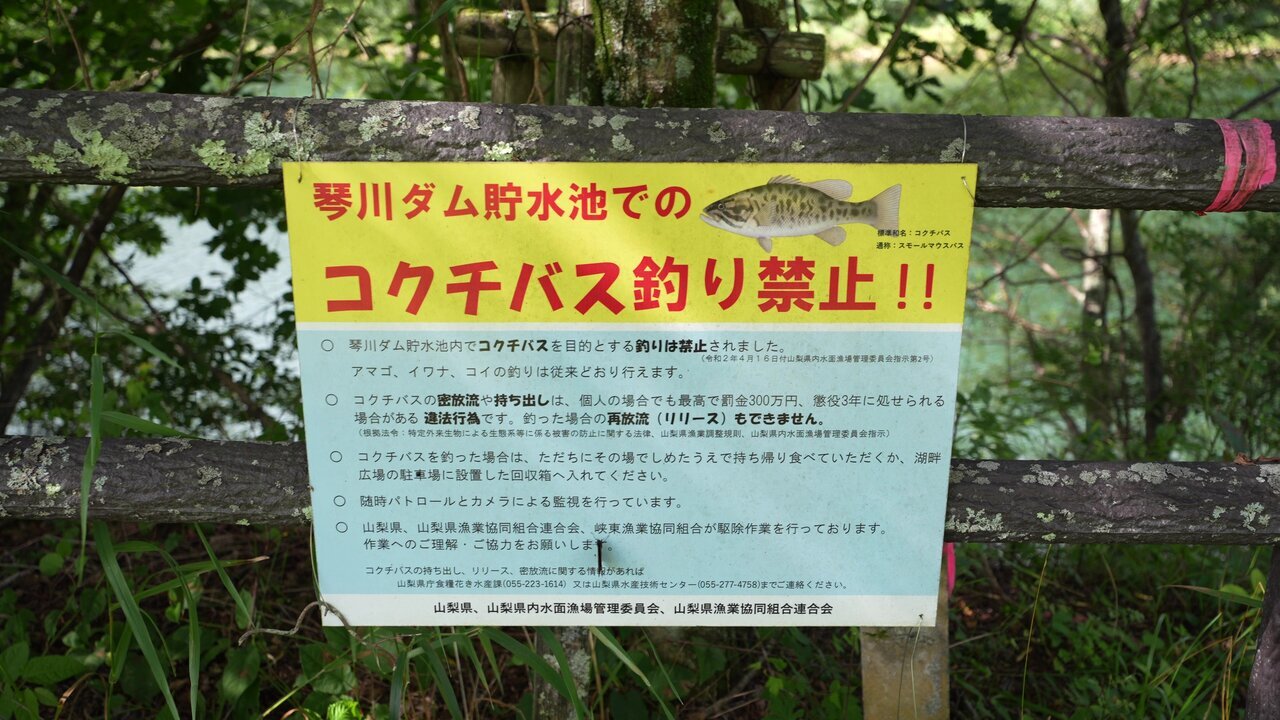
The people managing Yamanashi Prefecture and the fishing grounds are putting effort into eradicating black bass (largemouth bass) in this Kinchuan Dam reservoir, and initiatives are being made to create an environment conducive to the habitation of stream fish that could become prey. Information about this eradication activity also gives credibility to online fishing information.
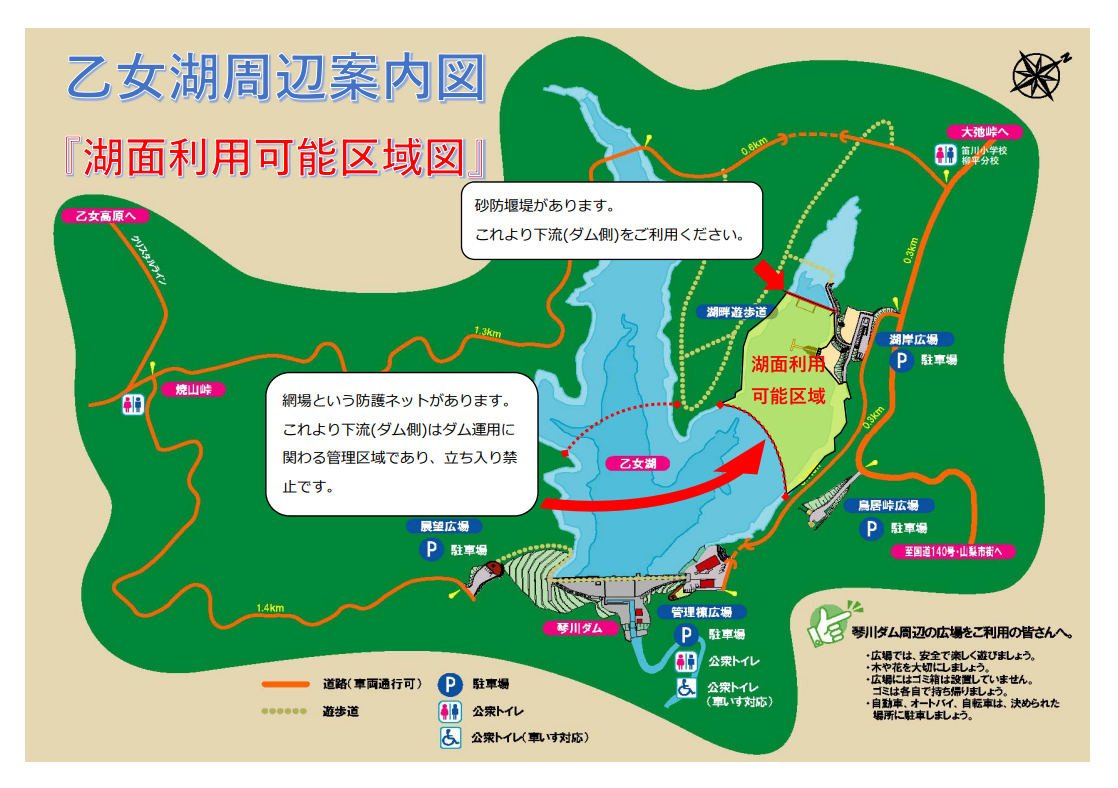
Fishing spots are limited, and areas close to shallows where the Kinchuan River flows in are available for use. It seems that with a permit, one can also enjoy SUP and canoeing aside from fishing, and I saw a car with a canoe during my last visit. Kinchuan Dam has been designated by the Ministry of Land, Infrastructure, Transport and Tourism as a "regionally open dam," and it seems to be contributing to the revitalization of the area through the utilization of the dam.
The Yamame trout flowing in the Koto River at the dam?
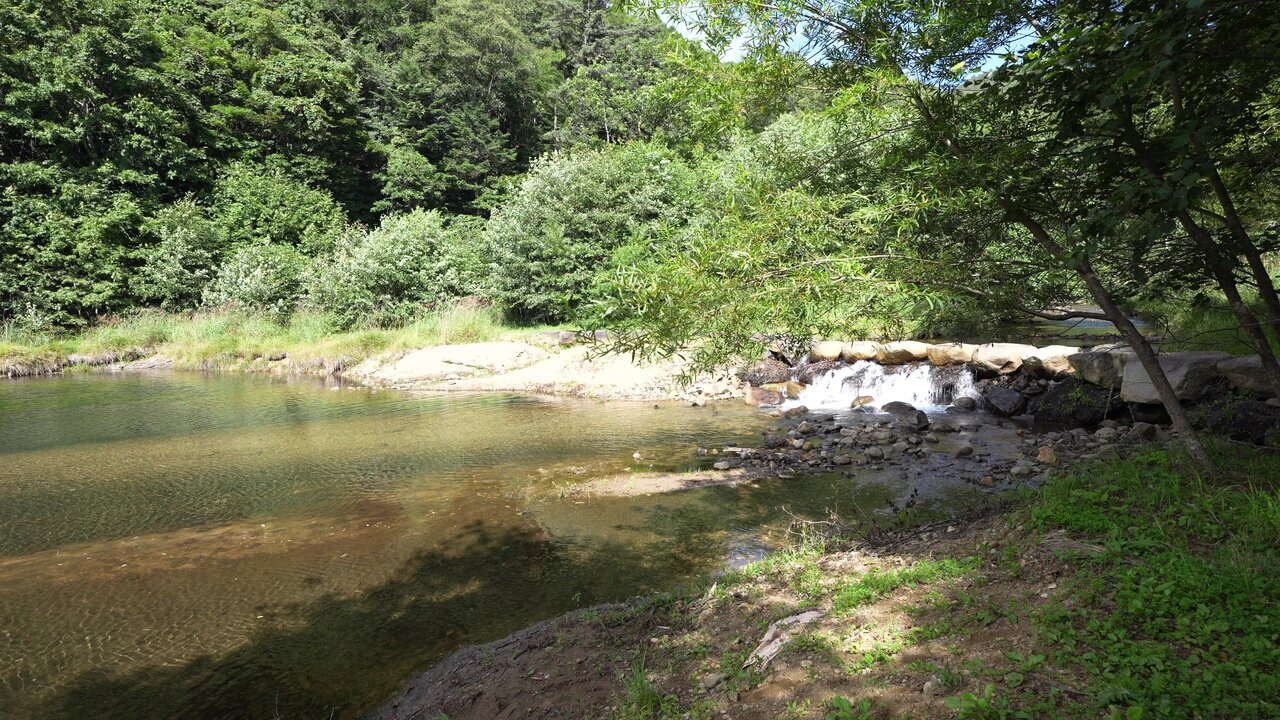
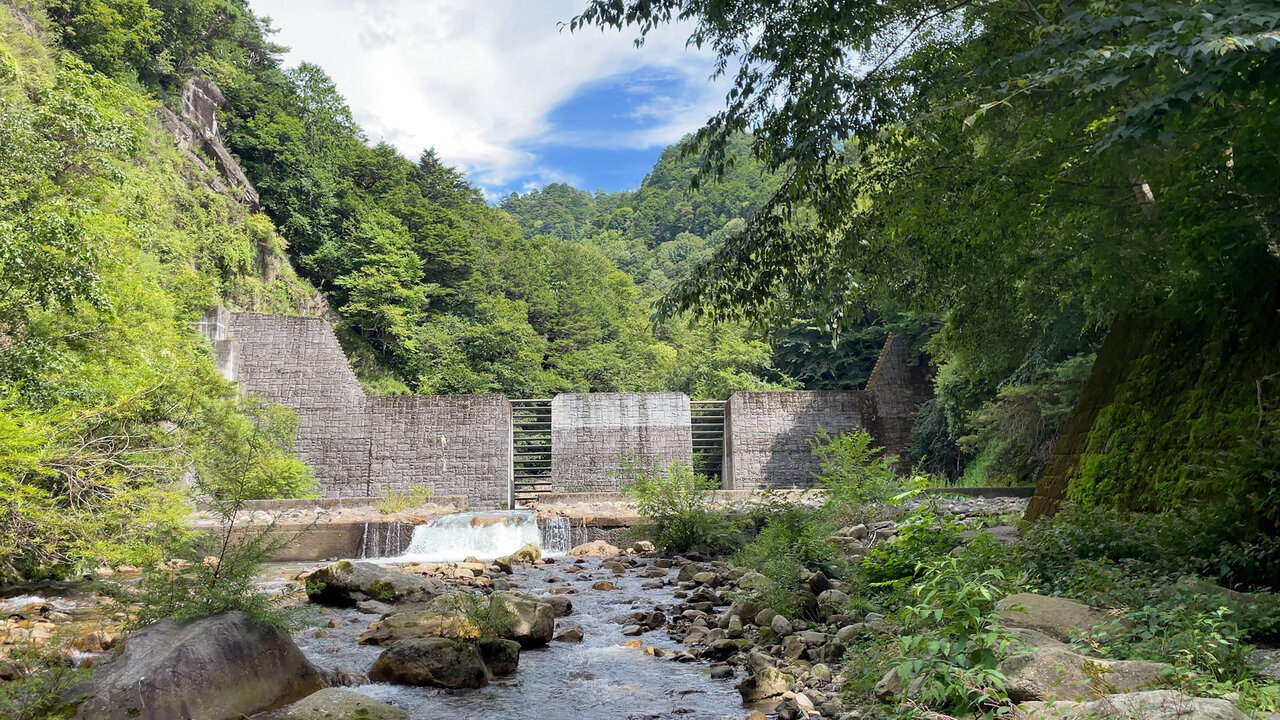
Due to the high altitude, the flow from the headwaters is merging into the dam. This cold water flow creates an environment suitable for stream fish, making it a pathway for fish. By the way, there are also reports of fish being caught even when going upstream in what is called "backwater."
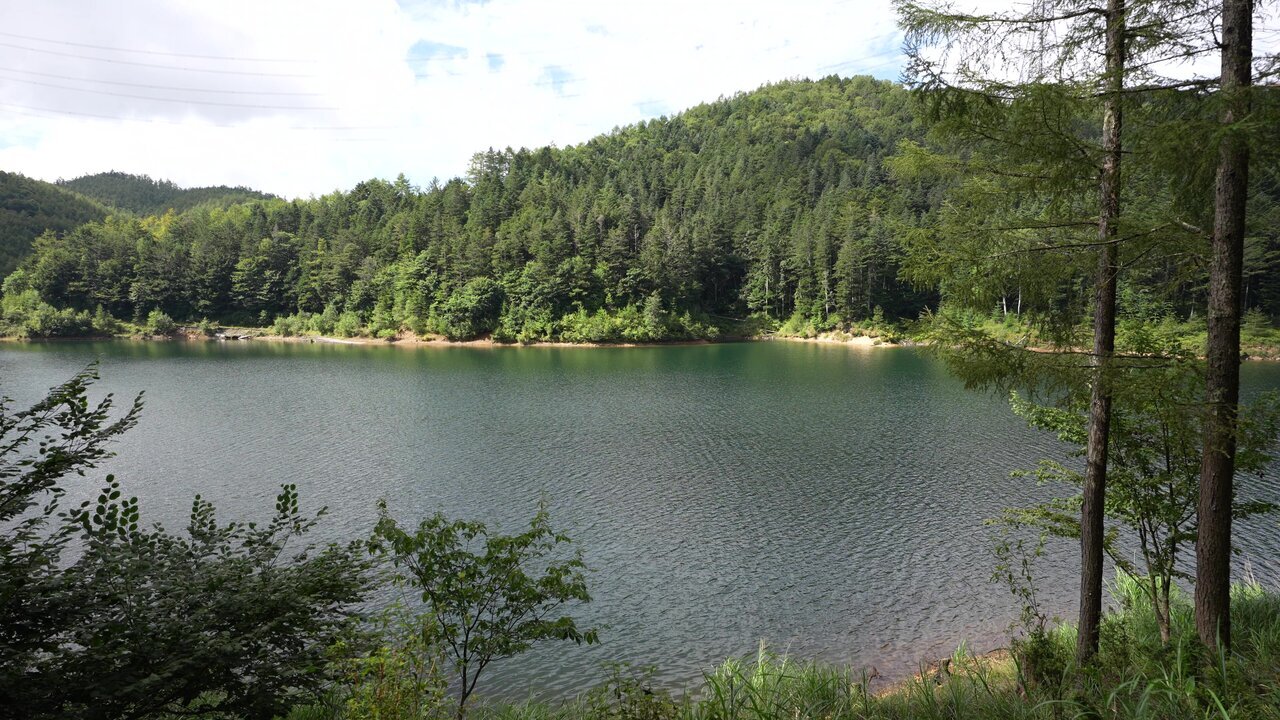
Walking along the lakeside promenade, I reached the area where access is prohibited. Even in mid-summer, the shade is cool, and a beautiful landscape like that of a foreign lake spreads out. It became clear that this is a wonderful lake that can be enjoyed just by taking a stroll.
The quiet lakeside in the early morning brings a refreshing feeling.
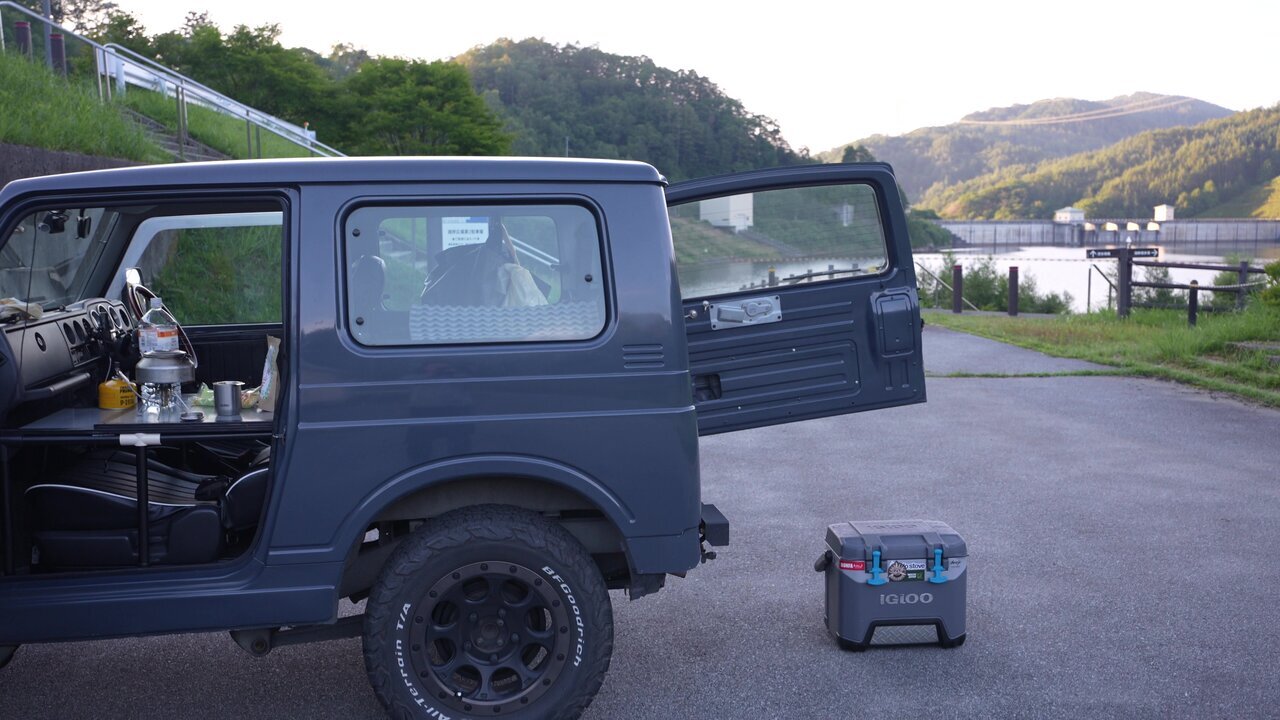
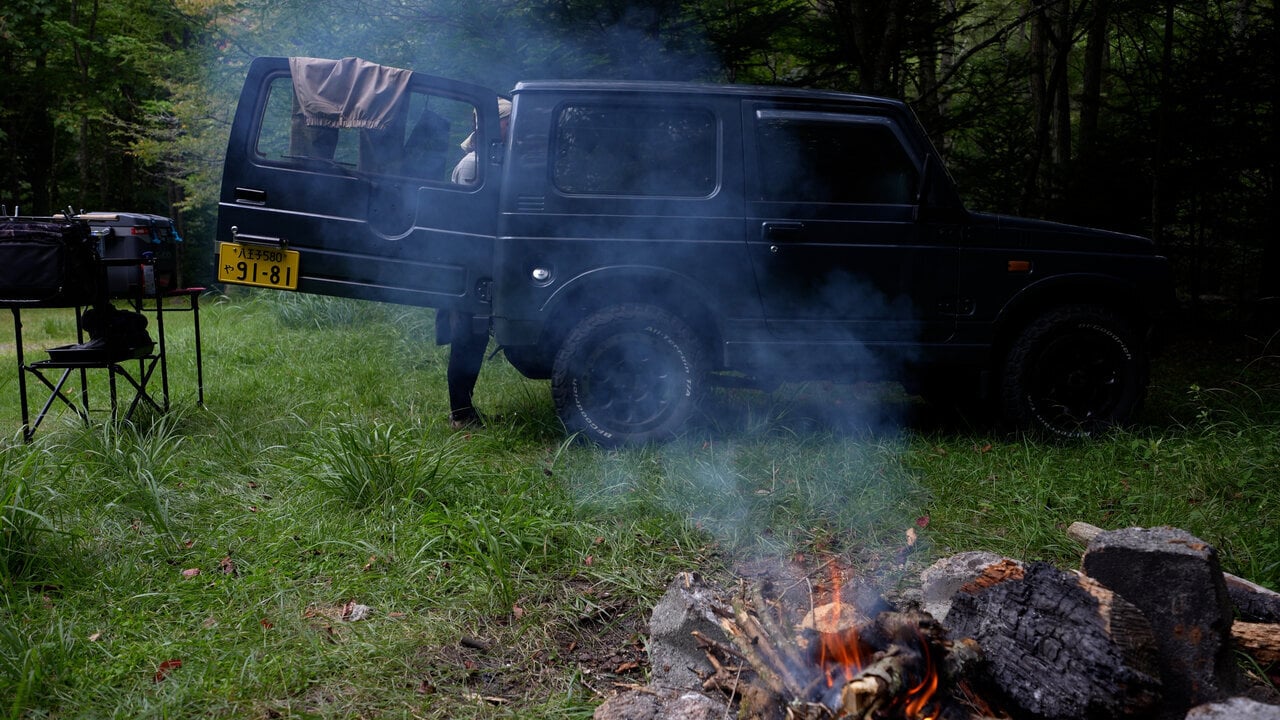
On this day, I arrived at Koto River Dam just before 6 AM. There were no fishermen yet, but I saw a few touring riders. In fact, I had camped at another nearby location to arrive early and hadn't eaten anything, so I first warmed up my body with some food and hot tea.
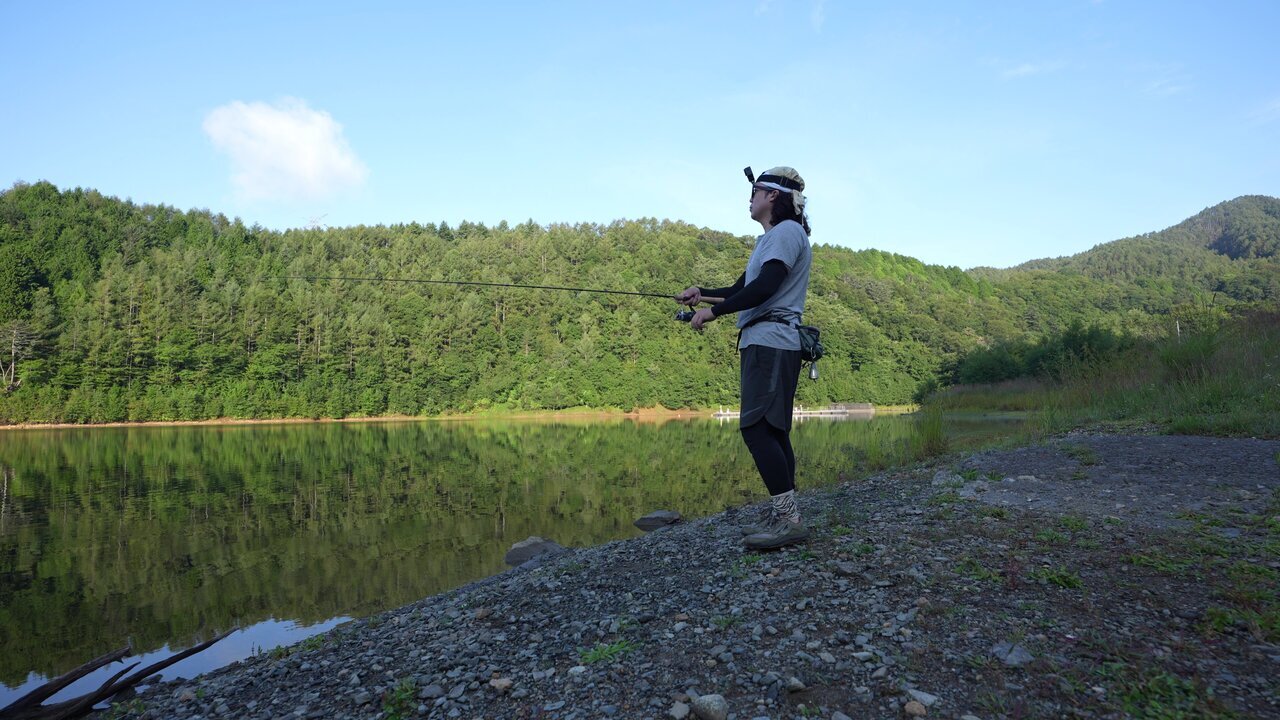
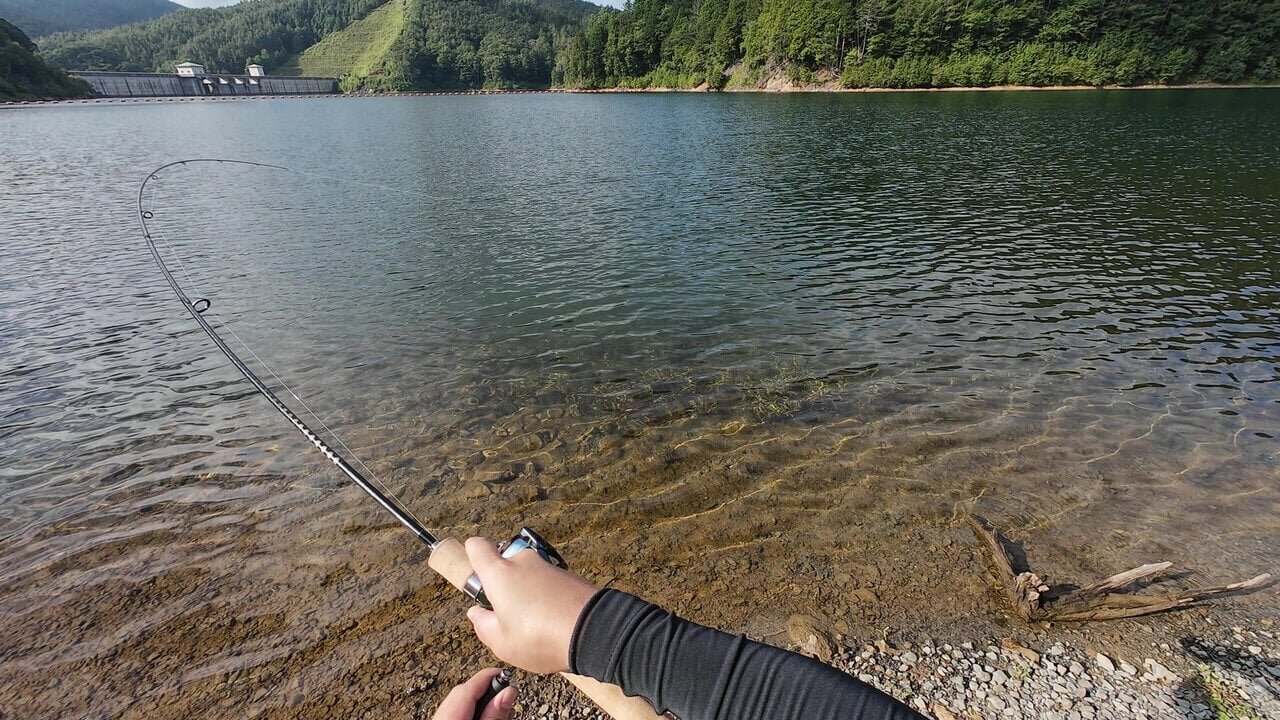
When I started fishing, the temperature was a bit chilly in the shade. I thought I would only have a chance during the high-activity time known as "asa mazume," so I cast my line with a prayer. The lake's surface was calm, and steam was rising from the water at the shore, creating a magical atmosphere. I felt calm and refreshed as I fished.
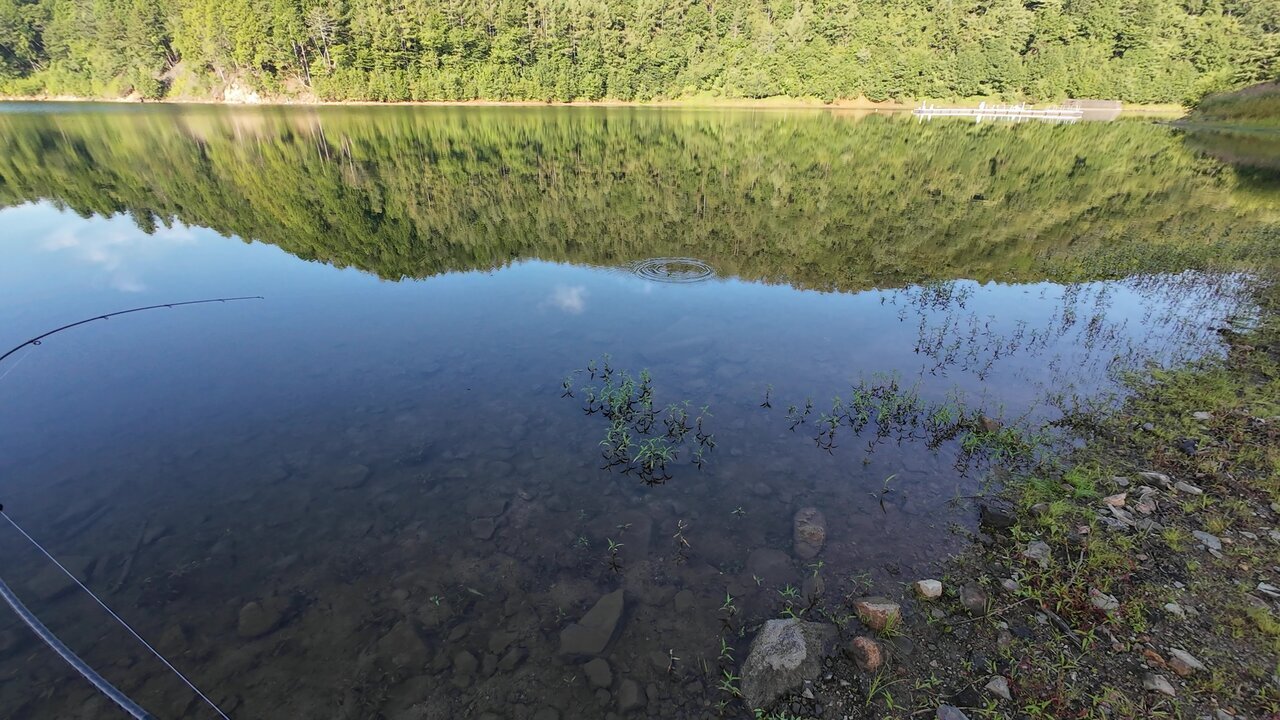
To my surprise, after just a few minutes, I felt a solid tug! I thought it might be a snag, but when I eased up, I sensed it pulling. In a hurry, I prepared the net and reeled in, but there was no fish at the end of the lure. It seemed I had snagged my tackle instead. I was quite excited, so I felt disappointed.
As the sun rose, the fish became more active, and I wanted to change my lure to find a good flow.
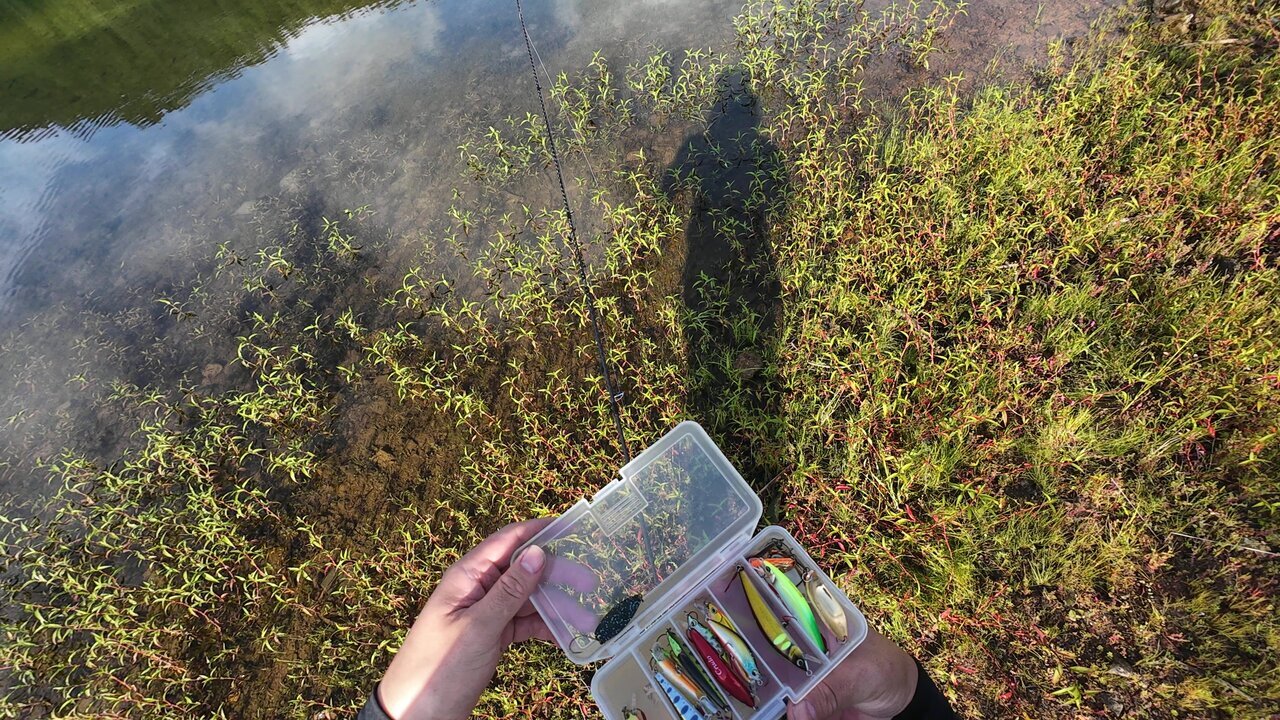
I had prepared a longer, more powerful rod than usual for this day, along with various lures. I even tucked away some plain-colored lures in the case in case the flashy colors didn’t work. I want to catch a good flow with this lure change.
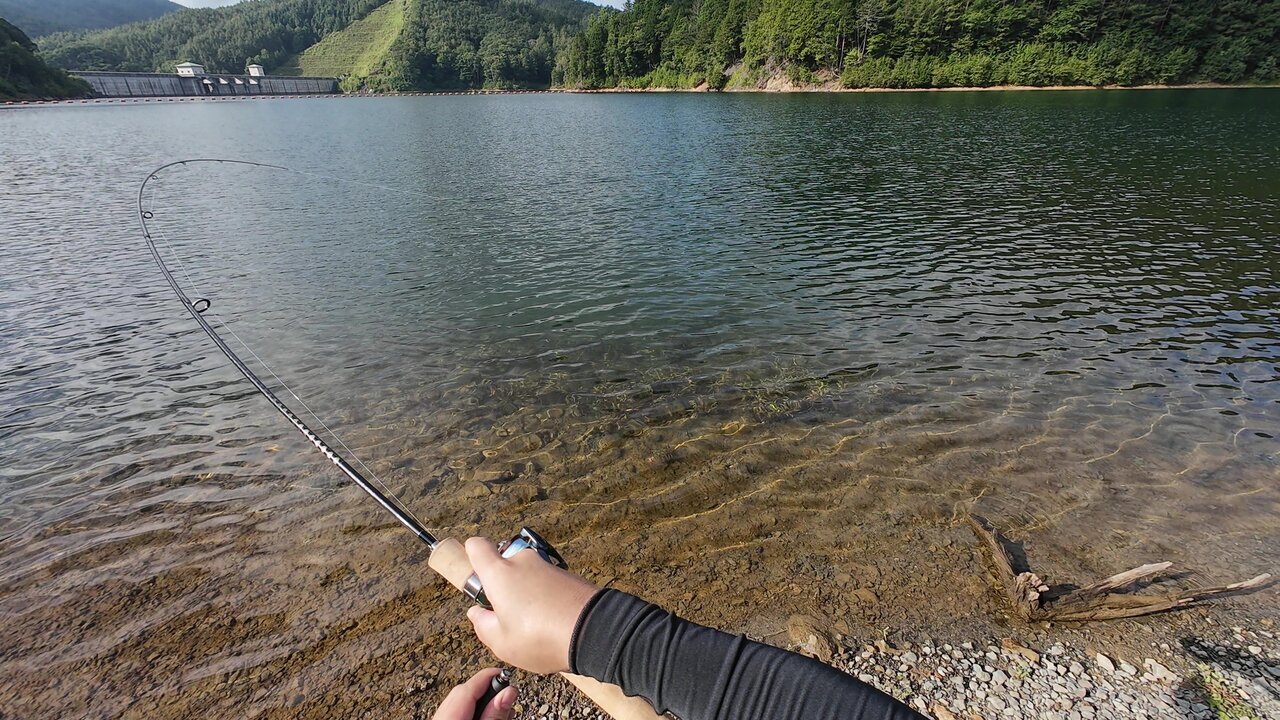
With the sun up and activity increased, I could see fish swimming around, splashing nearby. I wondered if yamame would behave like this, but I just wanted to catch anything at this point. Small fish were swimming near the shore, and there were predators targeting them.
While envisioning the underwater scene and enticing the fish, I finally had a hit! Unlike before, the drag of the reel was making noise, and I could feel vibrations in the rod. There was no doubt that a fish was biting!
While envisioning the underwater scene and enticing the fish, I finally had a hit! Unlike before, the drag of the reel was making noise, and I could feel vibrations in the rod. There was no doubt that a fish was biting!
What I caught was not "Yamame" but "Koi"
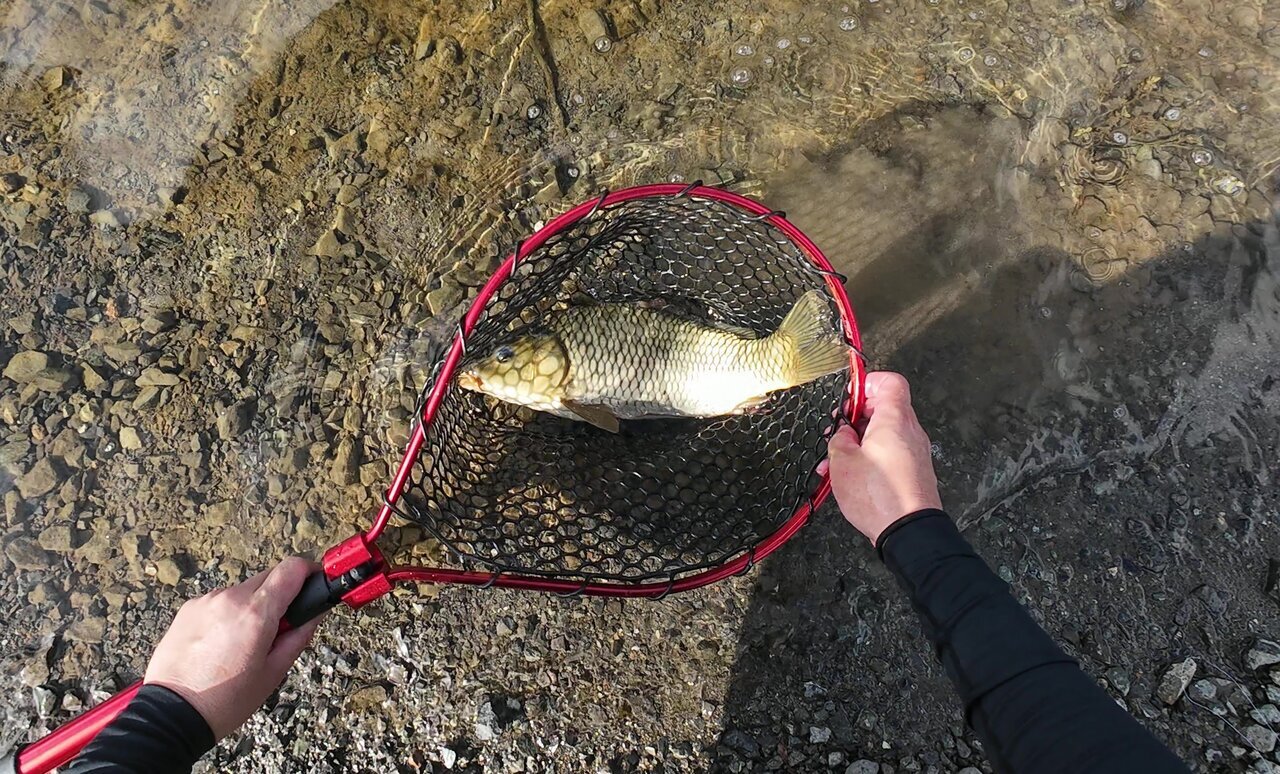
I had an idea about it, but as expected, it was Koi (laughs). The size was about 40 cm, and I believe the ones migrating were the Koi. While dealing with it near the shore, the situation was so active that other Koi showed interest and came closer. After this, I changed locations, but there were no bites.
According to the information online, Yamame are easier to catch in spring or after a typhoon, and right now, the water temperature may be too high for targeting stream fish.
According to the information online, Yamame are easier to catch in spring or after a typhoon, and right now, the water temperature may be too high for targeting stream fish.
Encounters with large stream fish of dreams will continue
Even though I didn’t catch my target, I felt fulfilled being able to implement my planned activities and verify them with my own eyes. Thanks to the Koi, I grasped the feeling of fishing in the lake, so I want to wait for perfect conditions and return to this field again.
Interview and text / Kazuma Tanaka
- SHARE



 FASHION
 OUTDOOR
 WATCH
WATCH CAR & BIKE
 SNAP
SNAP DINING
 LIFE
LIFE GADGET
 GOLF
GOLF