
![[Furniture Maintenance] I revived a dining table that had been used for many years by sanding and polishing it with DIY techniques.](https://cdn.clipkit.co/tenants/1046/articles/images/000/033/817/large/23a78acc-94a9-4824-b112-a77327d420fc.jpg?1789938162)
LIFE
2026.09.21
[Furniture Maintenance] I revived a dining table that had been used for many years by sanding and polishing it with DIY techniques.
I tried taking care of my worn-out dining table without replacing it. By sanding it down with sandpaper and applying oil, I might be able to enjoy my old furniture for a longer time—this is my experience. It turned out to be a surprisingly enjoyable holiday.
A still usable dining table, I decided to take care of it without letting it go.
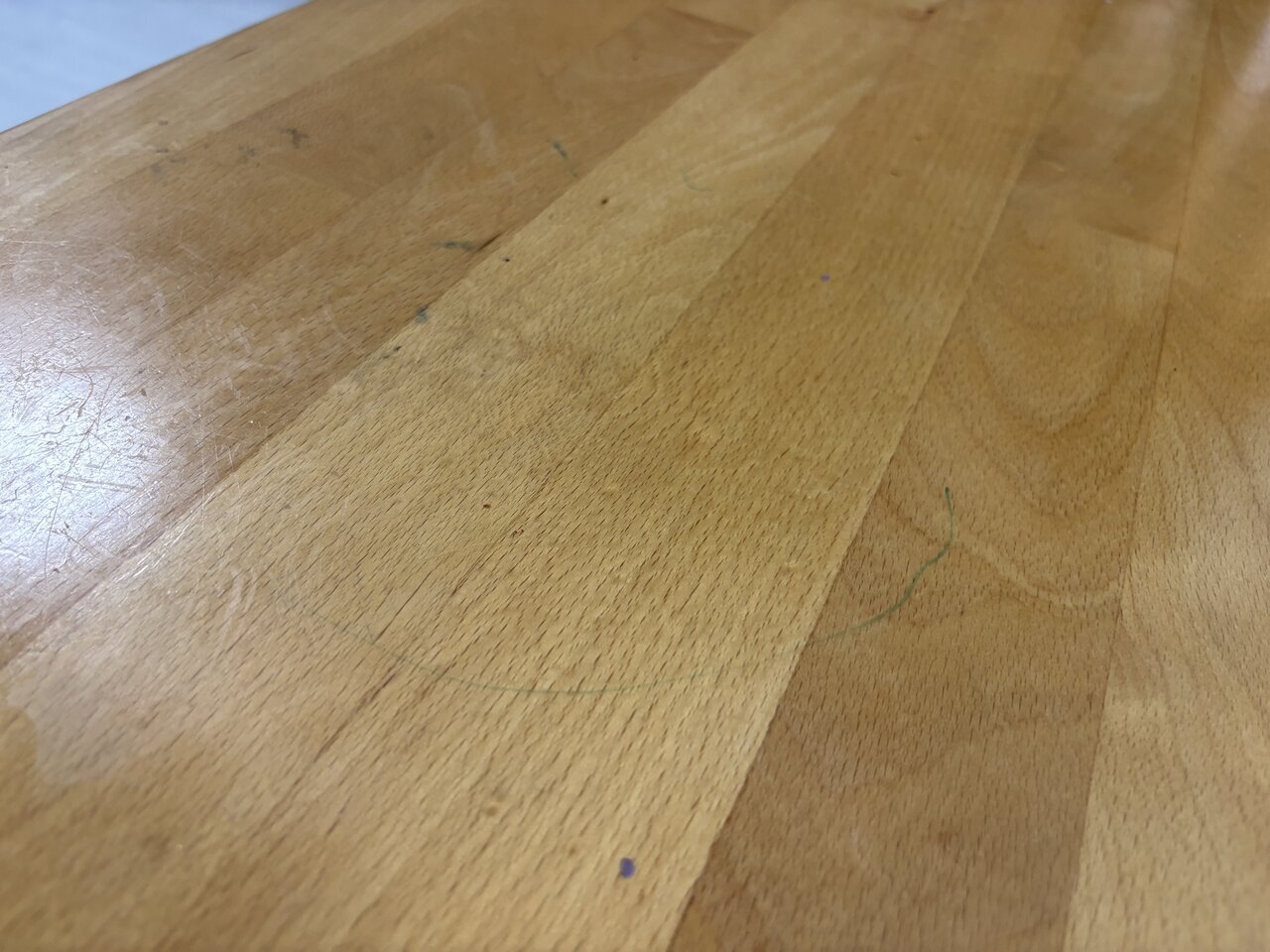
This is the dining table that has surrounded our family meals. Over the years, I noticed that the surface of the tabletop has become a bit worn. I pondered whether to replace it, but it felt wrong to let go of something still usable, so I decided to take care of it during my free time on the weekends.
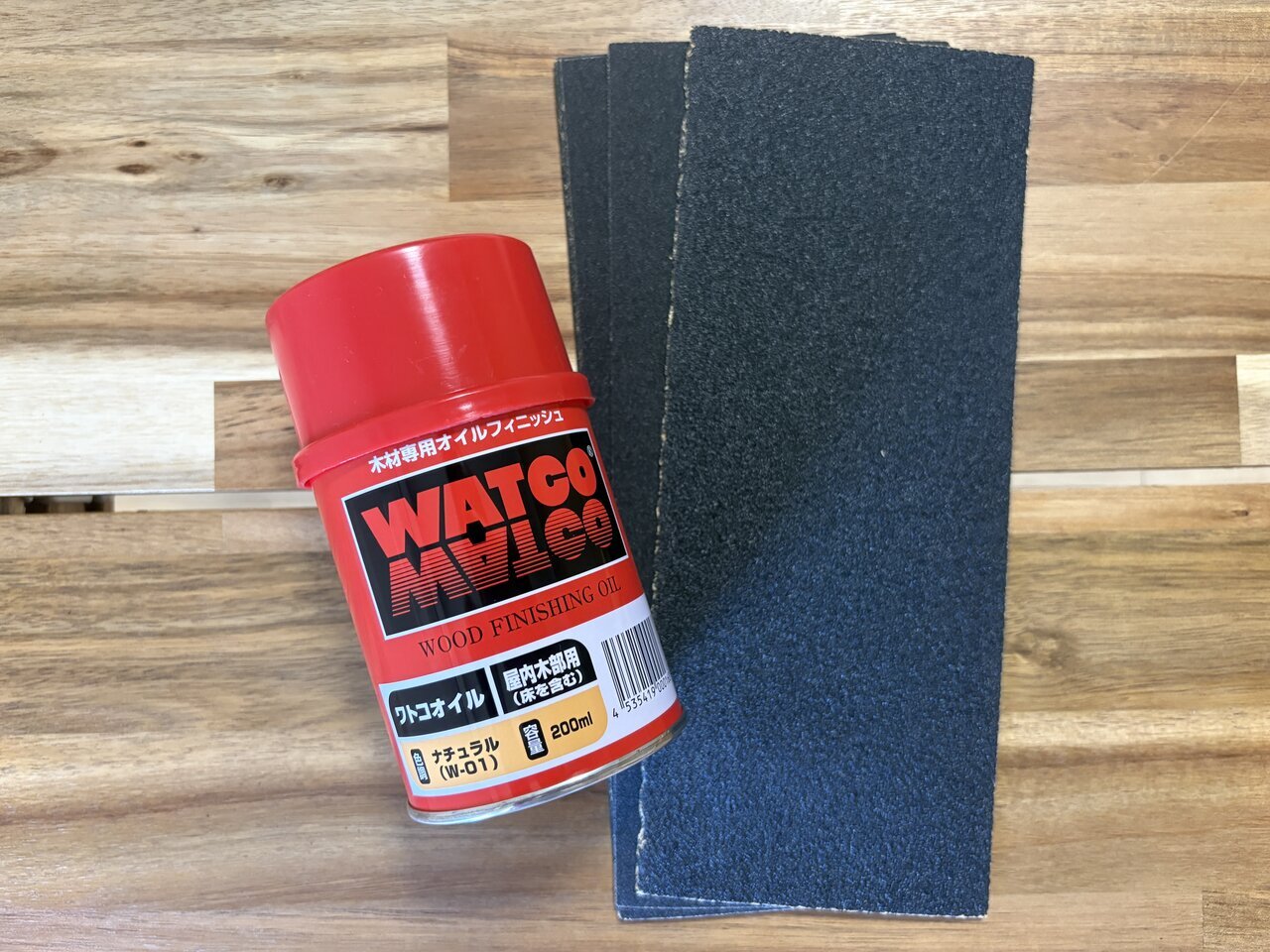
Since I didn't want to change the color, I chose a natural type of Watco oil.
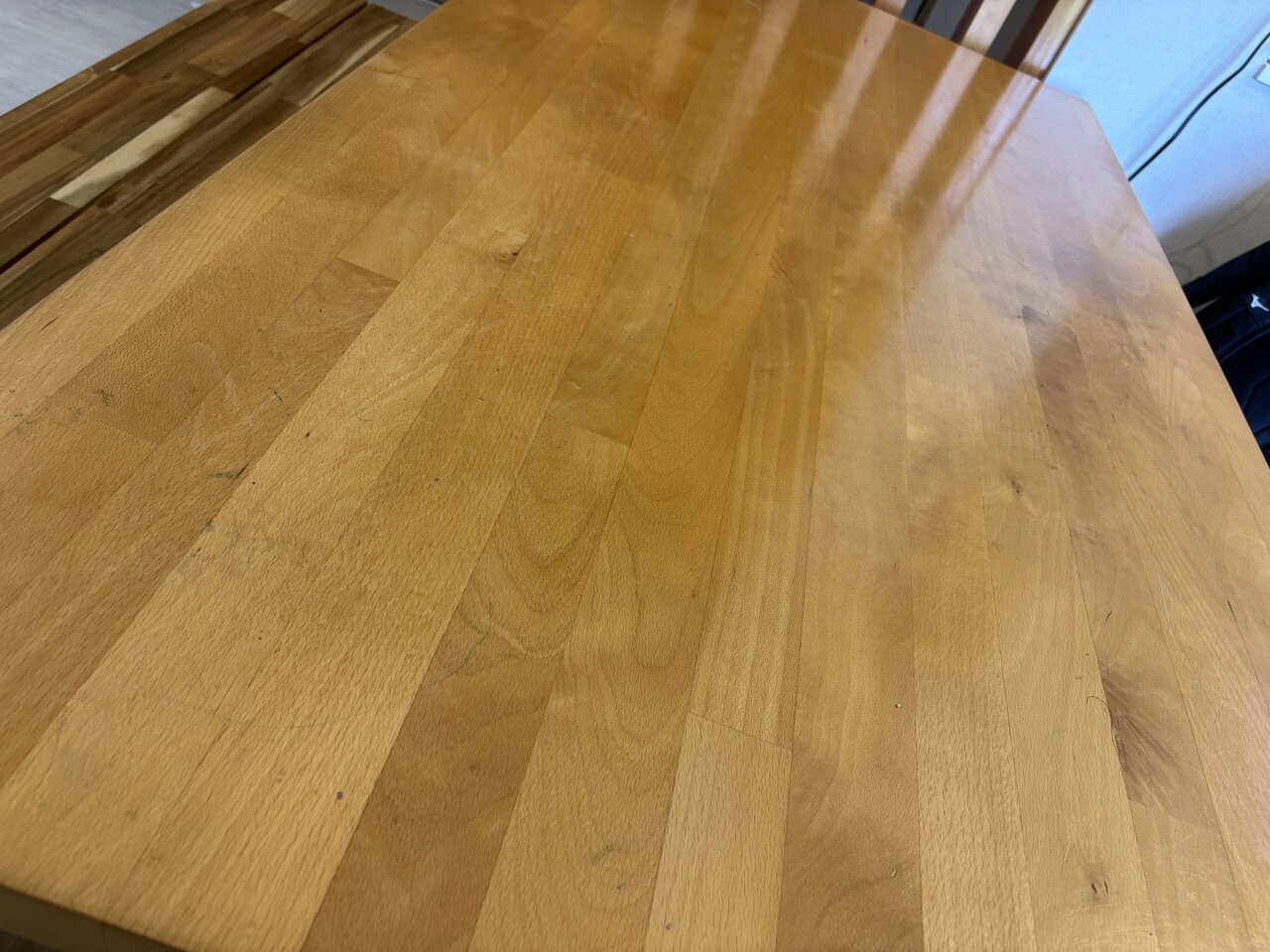
What I worried about first was how to take care of it. To clean the scratches on the tabletop, it is necessary to sand it down, but I wanted to decide on the clear finish at this time.
I decided to go with Watco oil for the finish. While there are colored types like walnut, my goal was not to greatly change the color of the current table, but rather to "restore its former texture," so I opted for the colorless natural type.
I decided to go with Watco oil for the finish. While there are colored types like walnut, my goal was not to greatly change the color of the current table, but rather to "restore its former texture," so I opted for the colorless natural type.
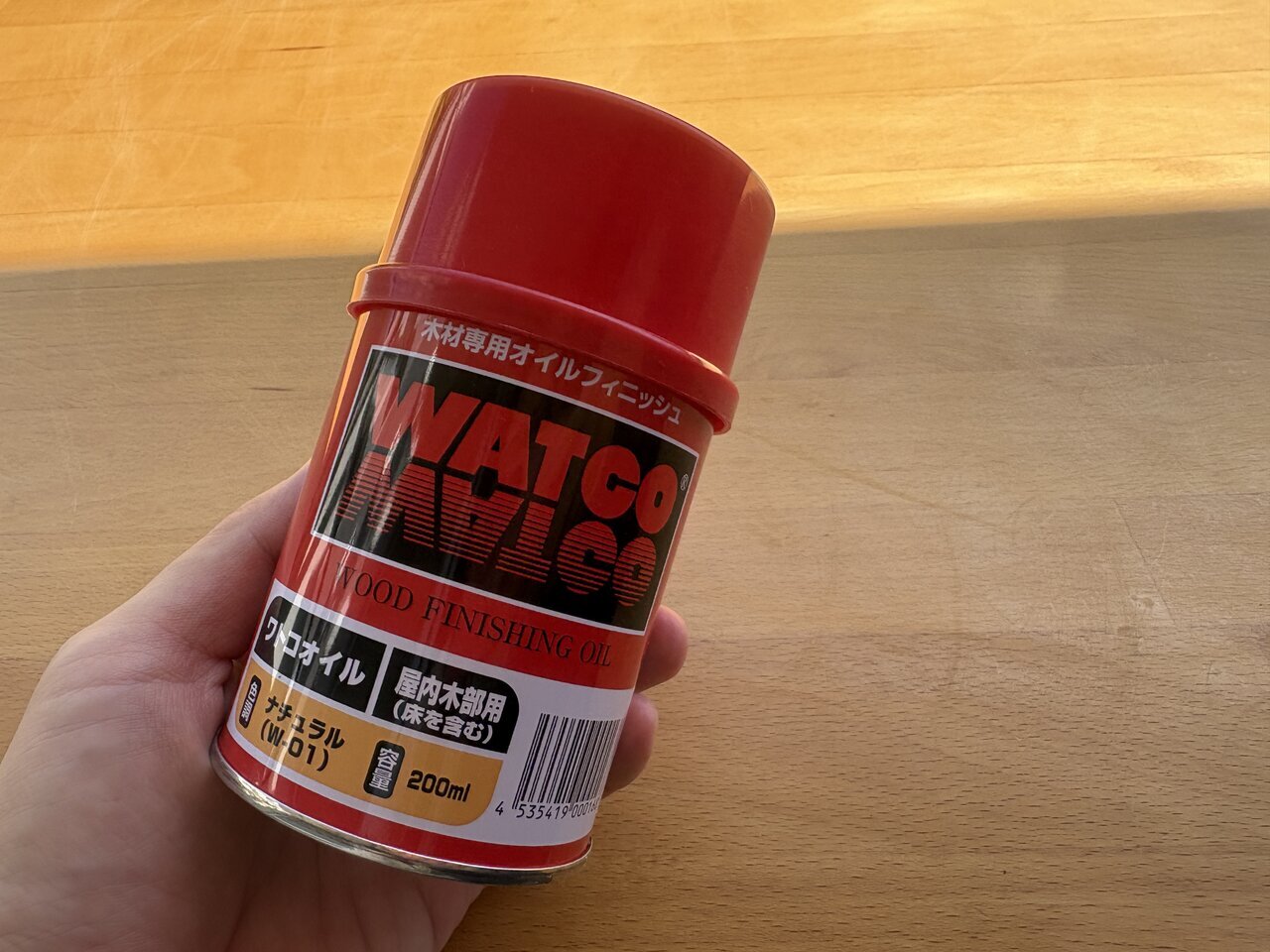
I chose Watco oil with the intention of making it a dining table that the family can use as usual.
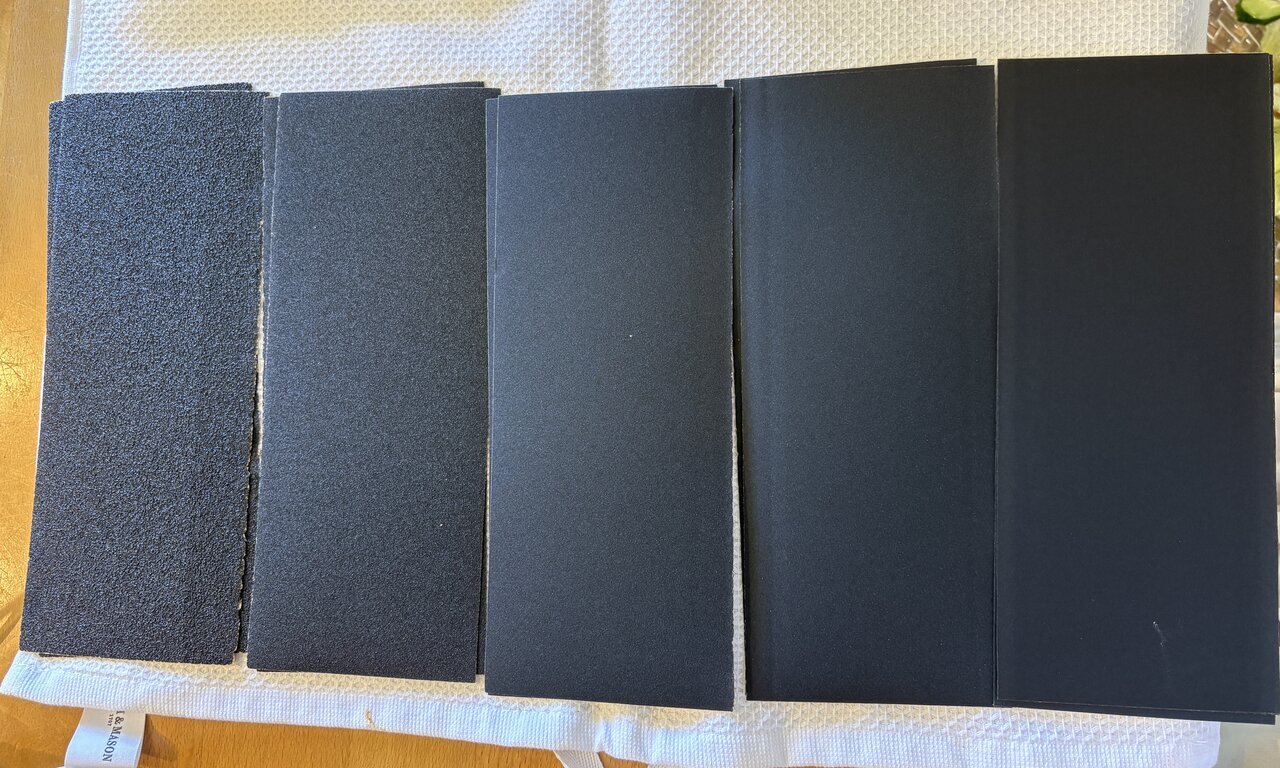
I selected a set of sandpaper that includes a range of grits from 80 to 800 (80/180/320/400/600/800, 12 sheets with 2 of each). Since I don’t have professional tools, I feel I can change the grit as I assess the condition. This seems convenient for someone like me who is doing this for the first time.
The texture changes the more you sand it.
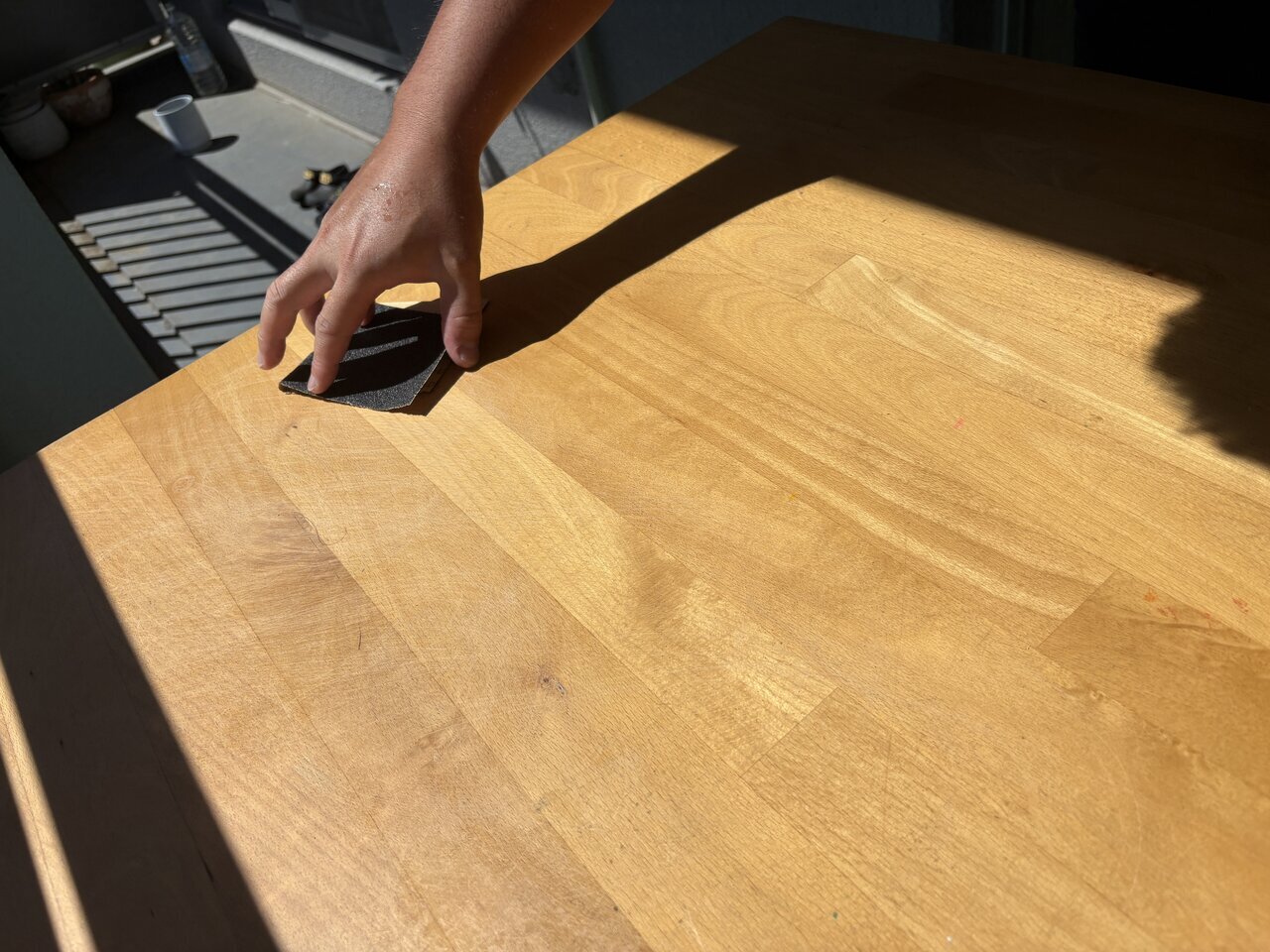
What I immediately noticed after starting the work was that the scratches on the top were tougher than I expected. The surface scratches and dirt had soaked in more than I imagined, so I had to start sanding with the coarsest grit.
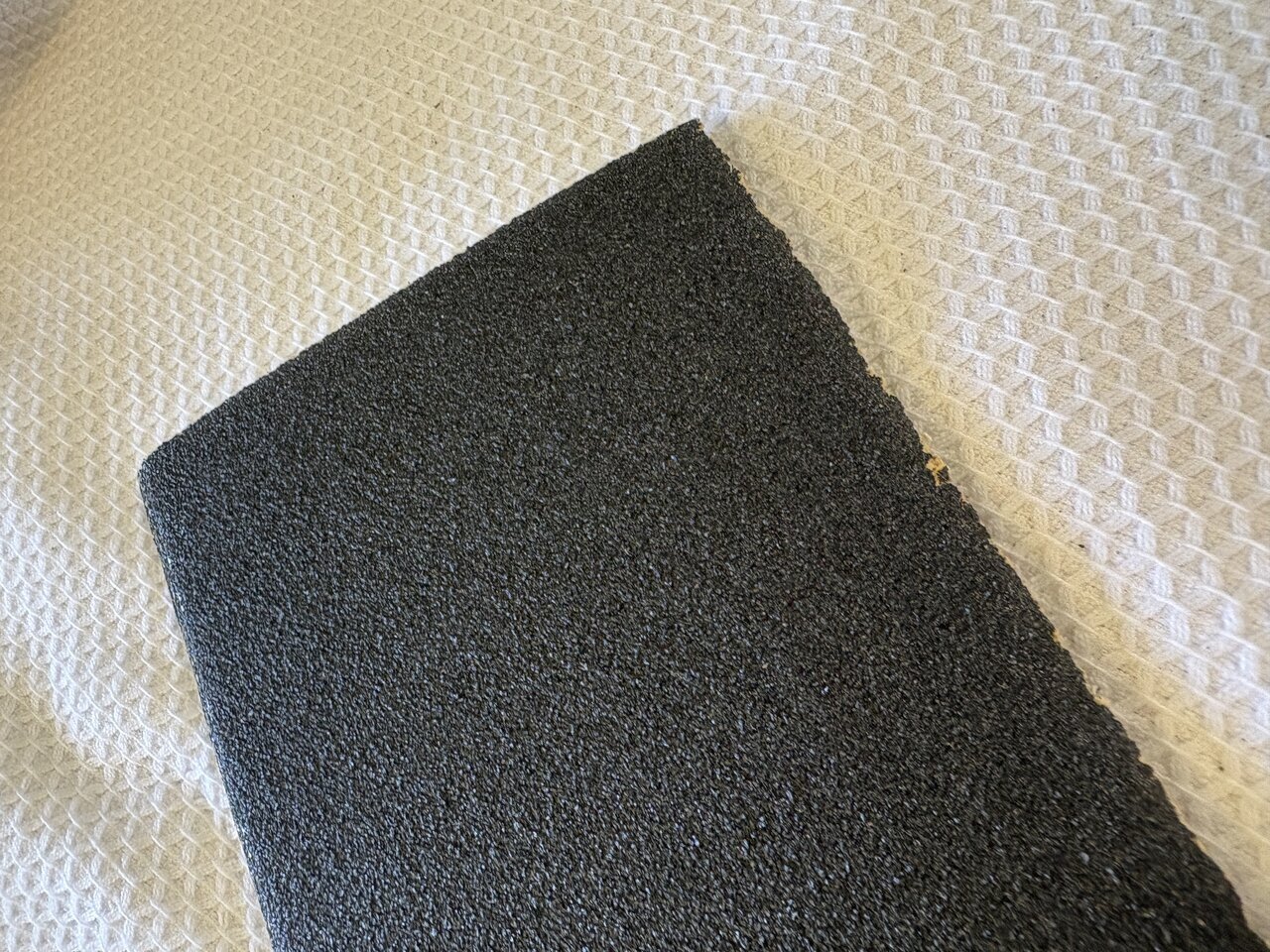
As a result, the scratches and dirt on the top were deeper than I expected, and I ended up starting with the coarsest grit of 80. I used up to around 320 for the finishing, smoothing out the surface.
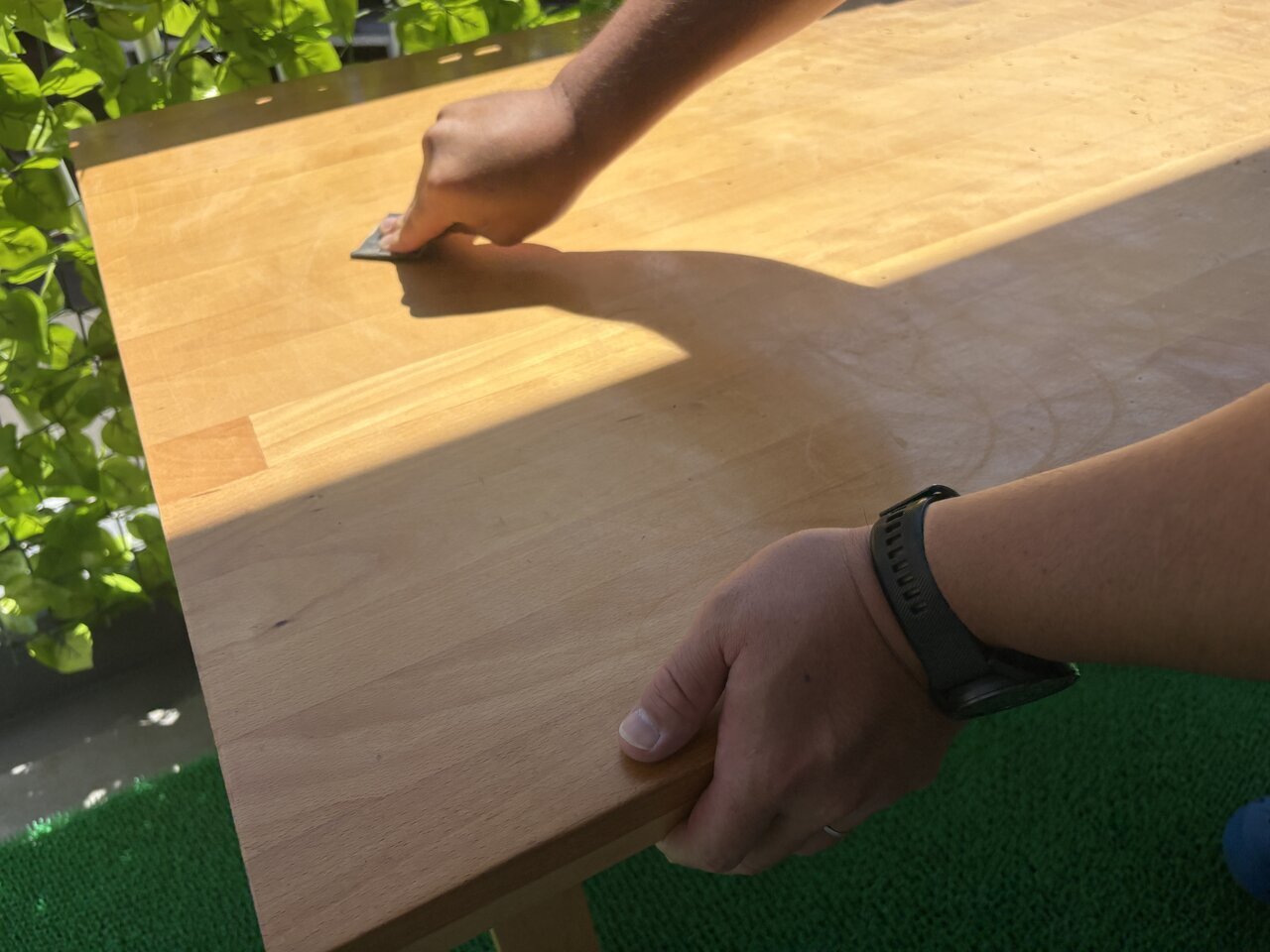
I needed to hold the sandpaper with my fingertips to polish the corners, and what should have been a simple task turned out to require surprisingly focused attention. While my child was playing nearby, I was absorbed in the work, concentrating solely on my hands in the atmosphere of a relaxing holiday.
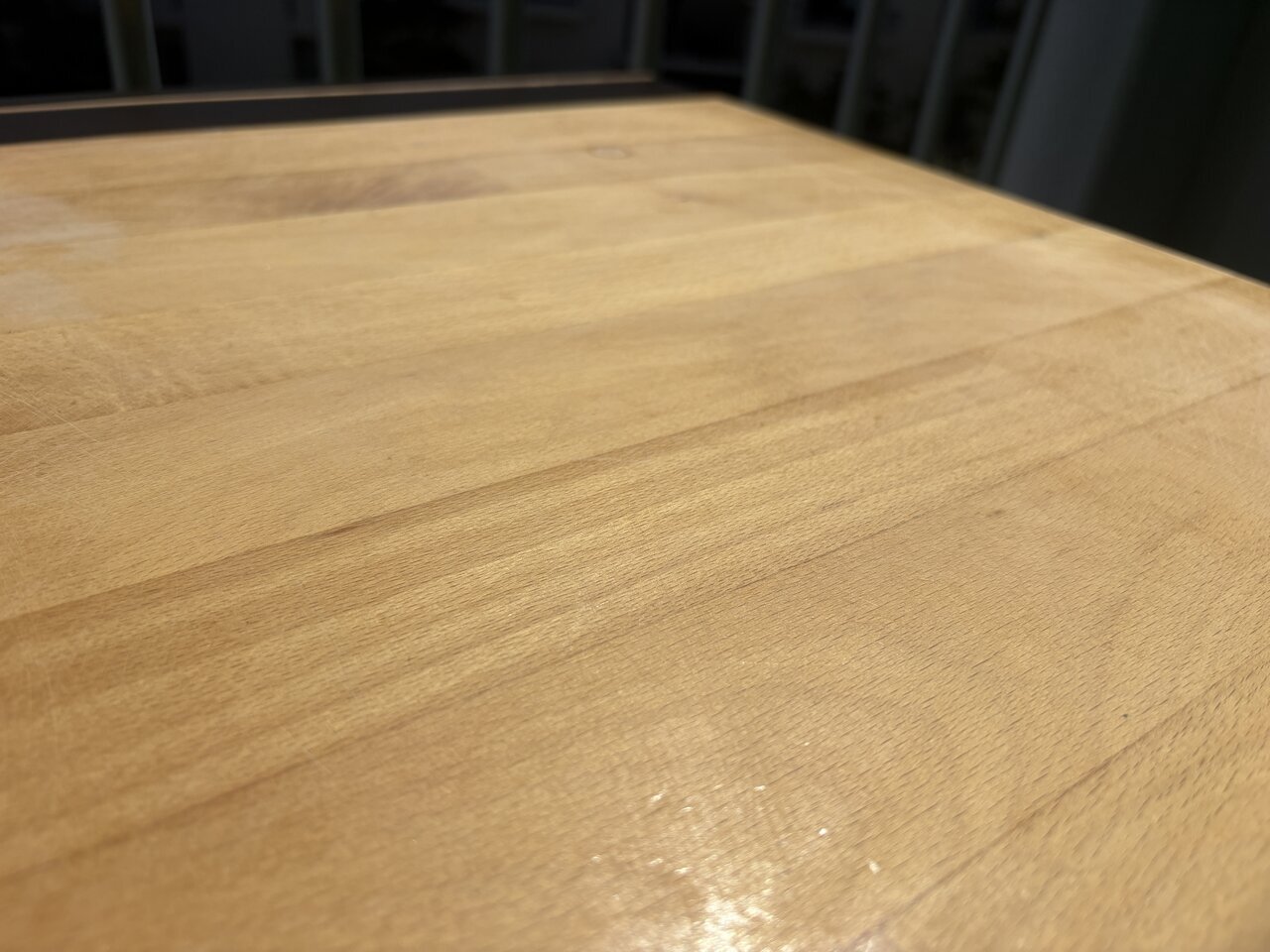
The change immediately after finishing the sanding was felt through touch before it was visible. The rough parts became smooth, and the sensation when I stroked it with my fingers was completely different. I was a bit surprised that something could change so much just by sanding with sandpaper.
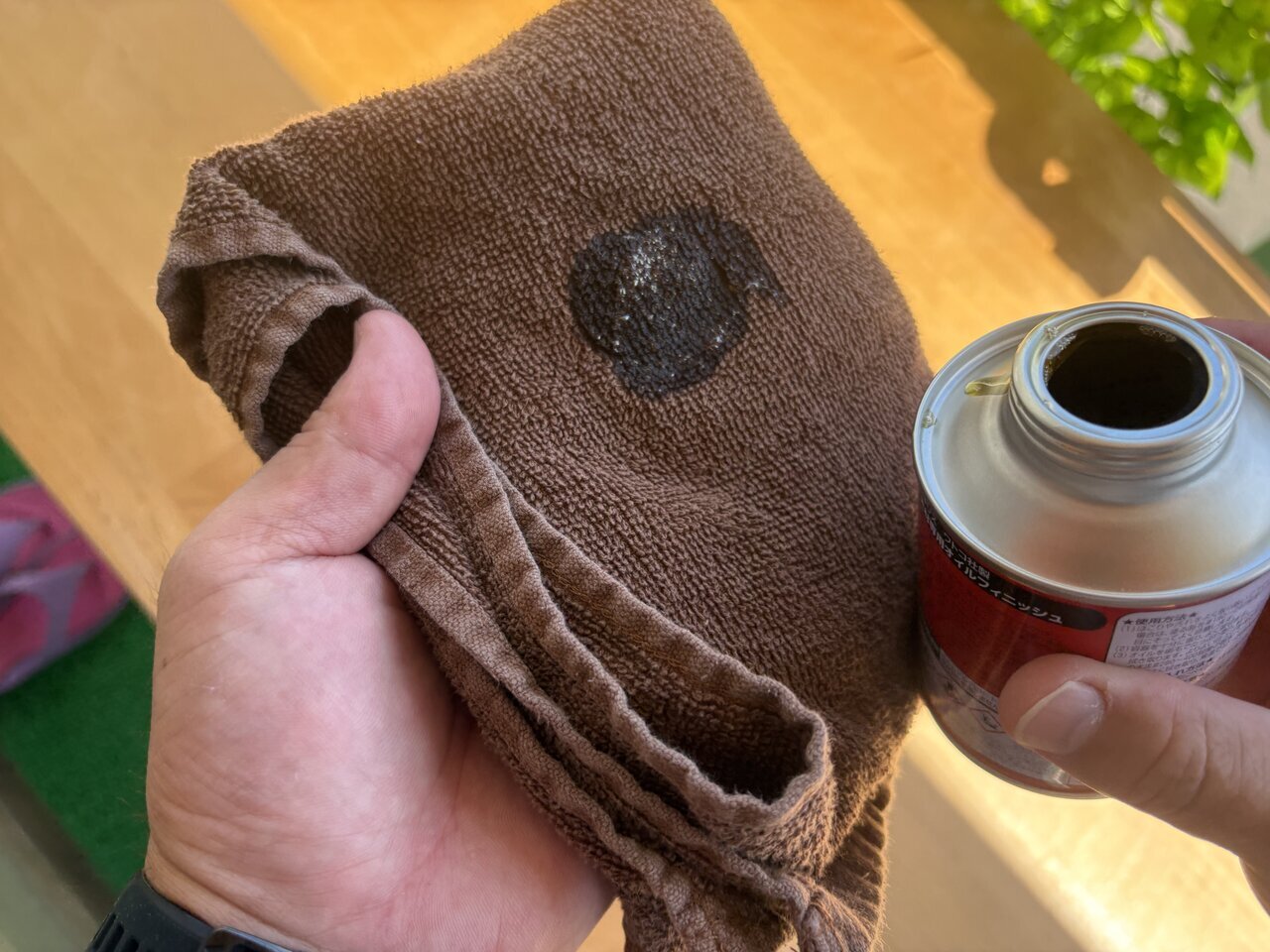
I wiped away the dust from the sandpaper and finally applied the oil. As I spread the oil soaked into the towel along the grain, the color of the dry wood changed distinctly in an instant.
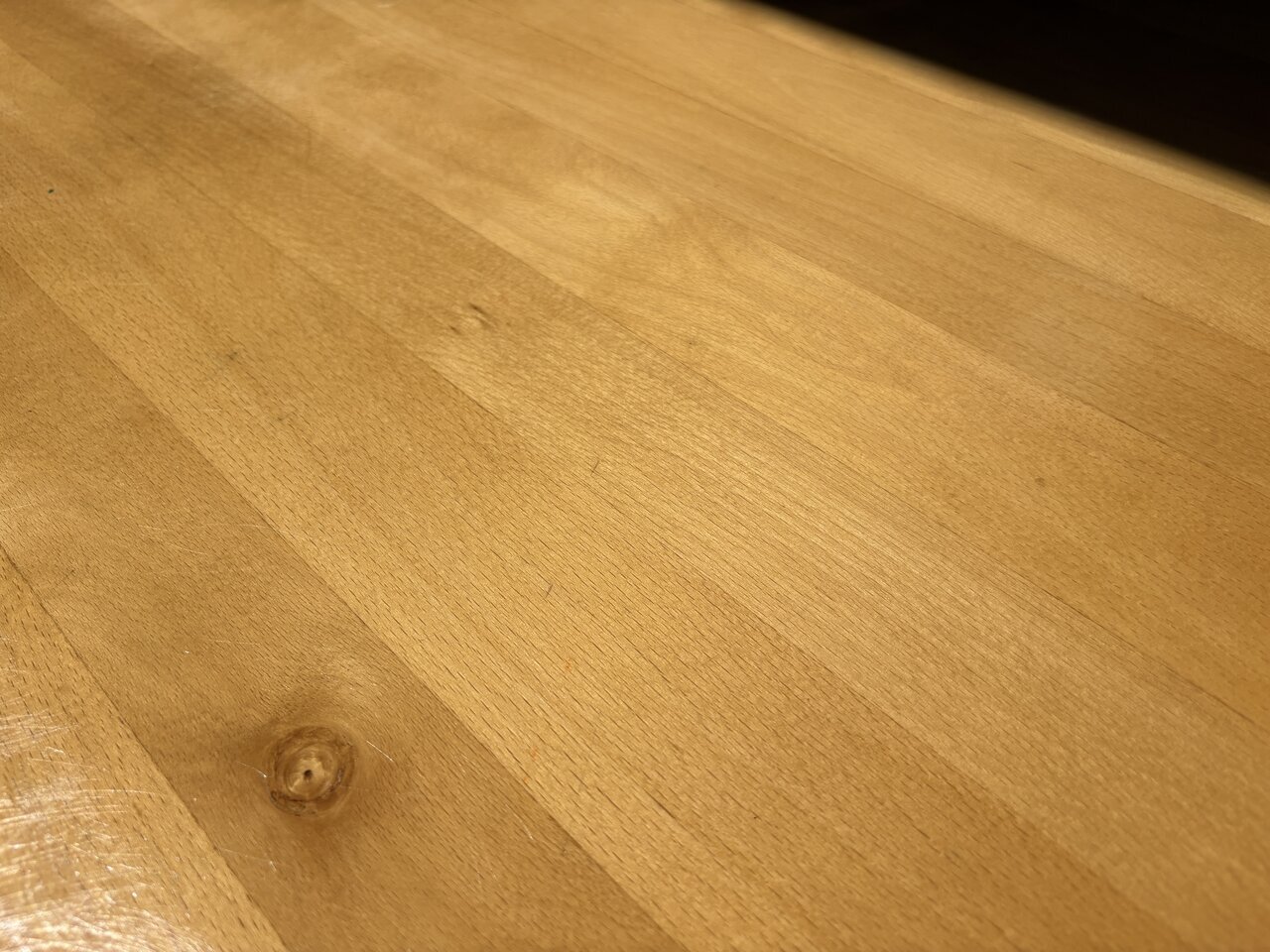
The oil was supposed to be colorless, yet the grain clearly emerged, and honestly, I was surprised at how much the visual impression changed beyond my expectations. Since I was working in a sunny place, the changes were very noticeable when held up to the light.
The feeling of being able to restore the condition with my own hands
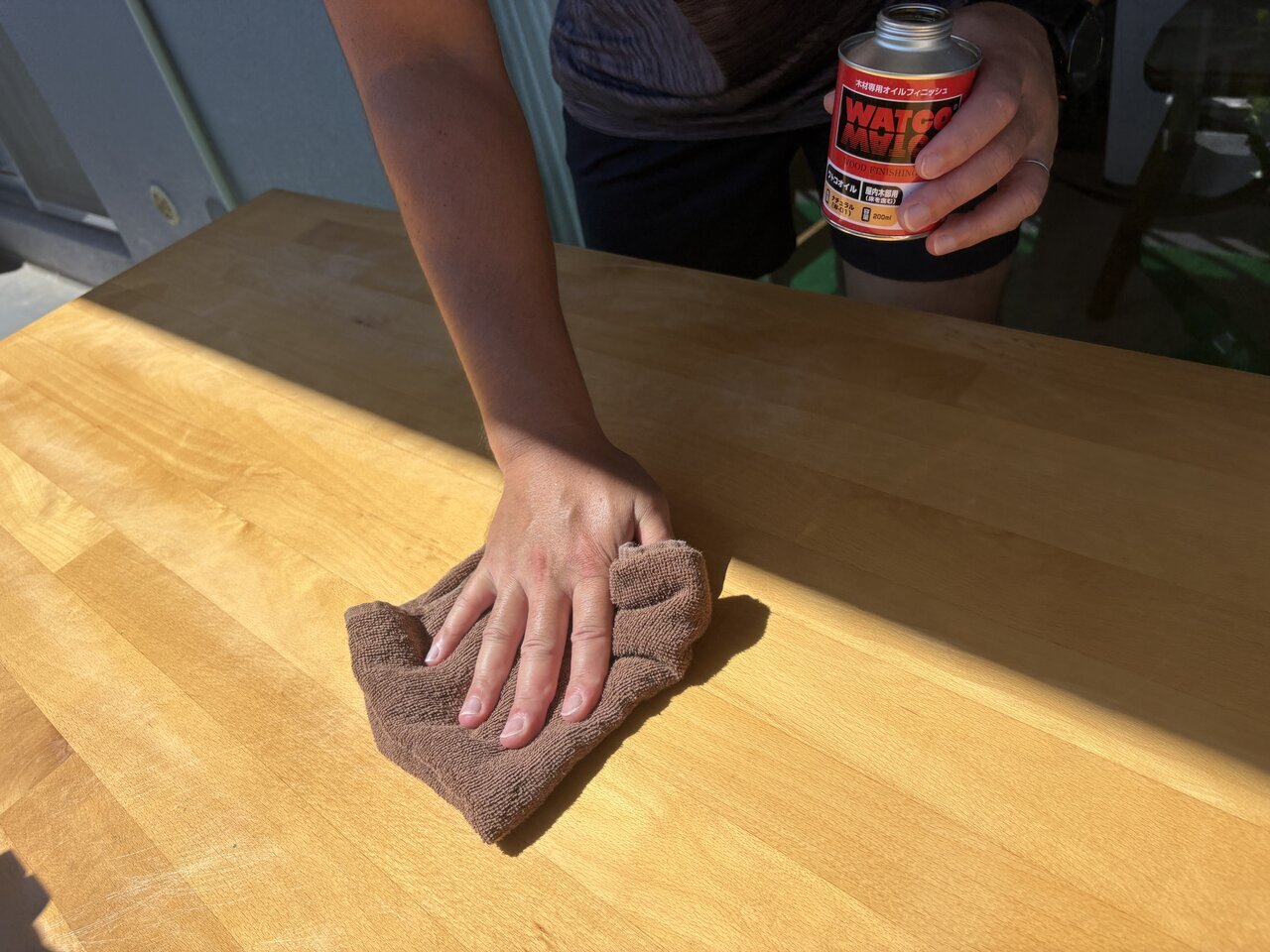
The experience of being able to restore the condition of the furniture with my own hands was very valuable. Until now, I thought that maintaining furniture meant either relying on a service or giving up and replacing it, but I realized that, with the right tools, I could accomplish this much in just a few hours on my days off. It was a significant discovery that, even without special skills, simple processes of sanding, wiping, and applying could lead to such a transformation.
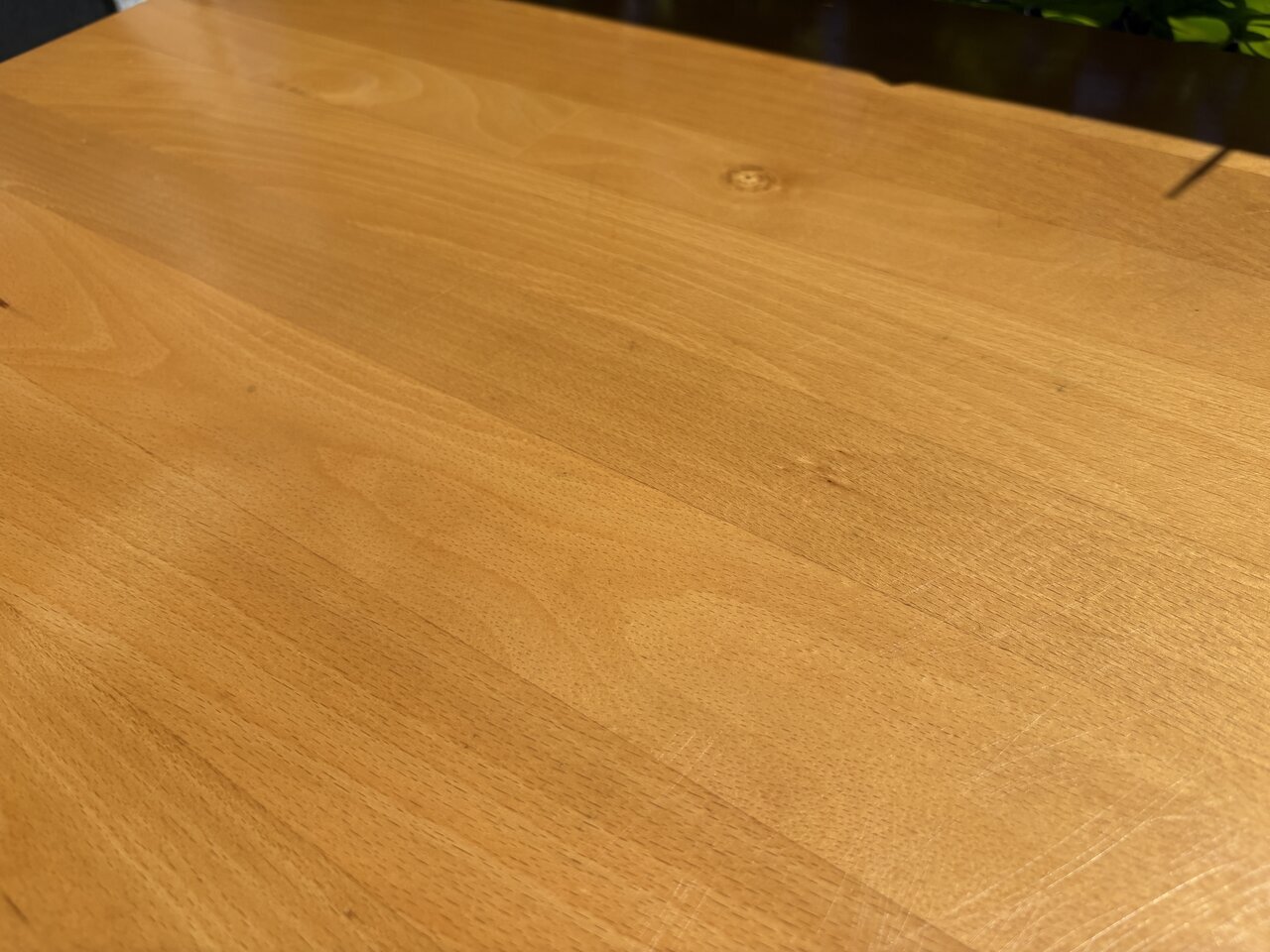
The small stains and marks that have accumulated over the years could not be completely removed in this process. However, when I think of it as a part of the time this table has experienced, I feel it suits me better to continue using it while maintaining it in a reasonably good condition rather than trying to forcefully erase them.
The tabletop that has regained its luster, and from now on
Instead of buying something new, I tried to take a little care of what I already have. The ability to make such a choice may have been the biggest takeaway for me. How the dining table, which should remain unchanged, will look when welcomed with the restored luster of the tabletop is something I want to confirm as I continue to cherish it from now on.
Product Name: Watco Oil Natural W-01
Coating Type: Oil-based
Capacity: 200ML
Recommended Use: Wood
● Kampehapiyo
Interview & Text by SYURI
- SHARE












![[Midnight Drive] I wanted to cool off a bit, so I went for an adult night stroll at the retro vending machine corner in Sagamihara.](https://cdn.clipkit.co/tenants/1046/articles/images/000/032/887/large/a1bf17cd-06d0-4ad5-8236-8fd2970728e5.jpg?1787522426)
![[Interview] Bongo Brownie ✕ VAN LIVING What is the concept of living space that can be enjoyed with simple DIY?](https://cdn.clipkit.co/tenants/1046/articles/images/000/029/348/large/1669c7fe-4dba-4cc5-b0a3-7defa56bc0c0.jpg?1774904732)


 FASHION
 OUTDOOR
 WATCH
WATCH CAR & BIKE
 SNAP
SNAP DINING
 LIFE
LIFE GADGET
 GOLF
GOLF