
DINING
2026.01.05
Let’s go eat noodles in Tama Plaza! What the biang biang noodles from "Kokuryu," which I reached after walking one station from Saginuma Station, are like.
About 30 minutes from Shibuya Station. I got off at Saginuma Station on the Tokyu Den-en-toshi Line and walked around the Tomei Expressway and Kokugakuin University's Tama Plaza Campus, heading to the Chinese restaurant "Kokuryu." I took a bit of a detour to eat the impressive thick noodles over 4 cm wide called Biangbiang noodles.
I tried walking from Saginuma Station, where I got off for the first time, to Tamaplaza Station
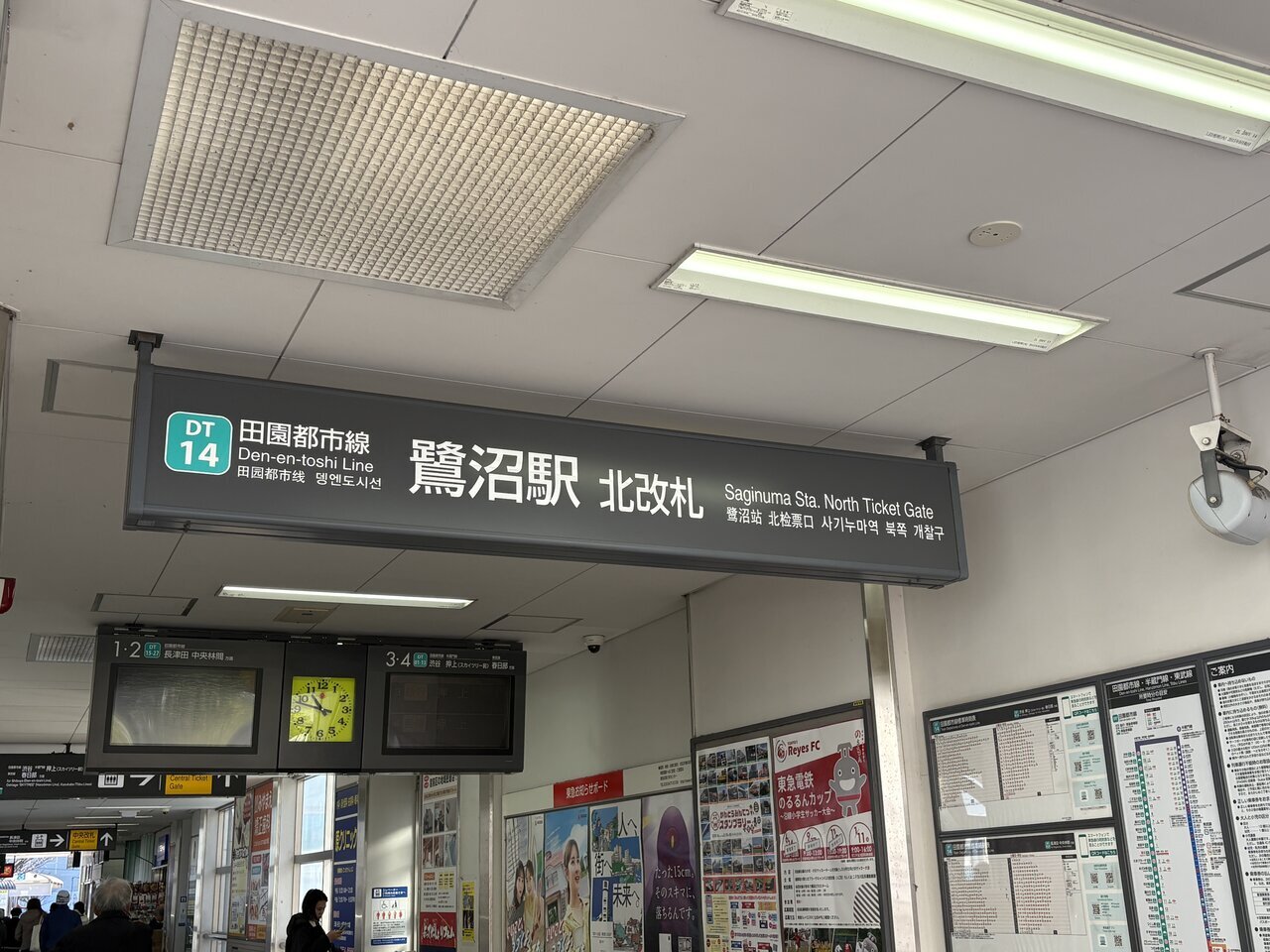
About 30 minutes from Shibuya Station, I intentionally got off the train one station before at Saginuma Station. Although I had heard the name Saginuma Station, I had never gotten off there before, and to be honest, I didn't really know what kind of town it was.
Today, since it was a sunny weekday and I had no plans that required me to hurry, I decided to enjoy a walk.
Today, since it was a sunny weekday and I had no plans that required me to hurry, I decided to enjoy a walk.
I exited the north ticket gate of Saginuma Station and strolled through the residential area
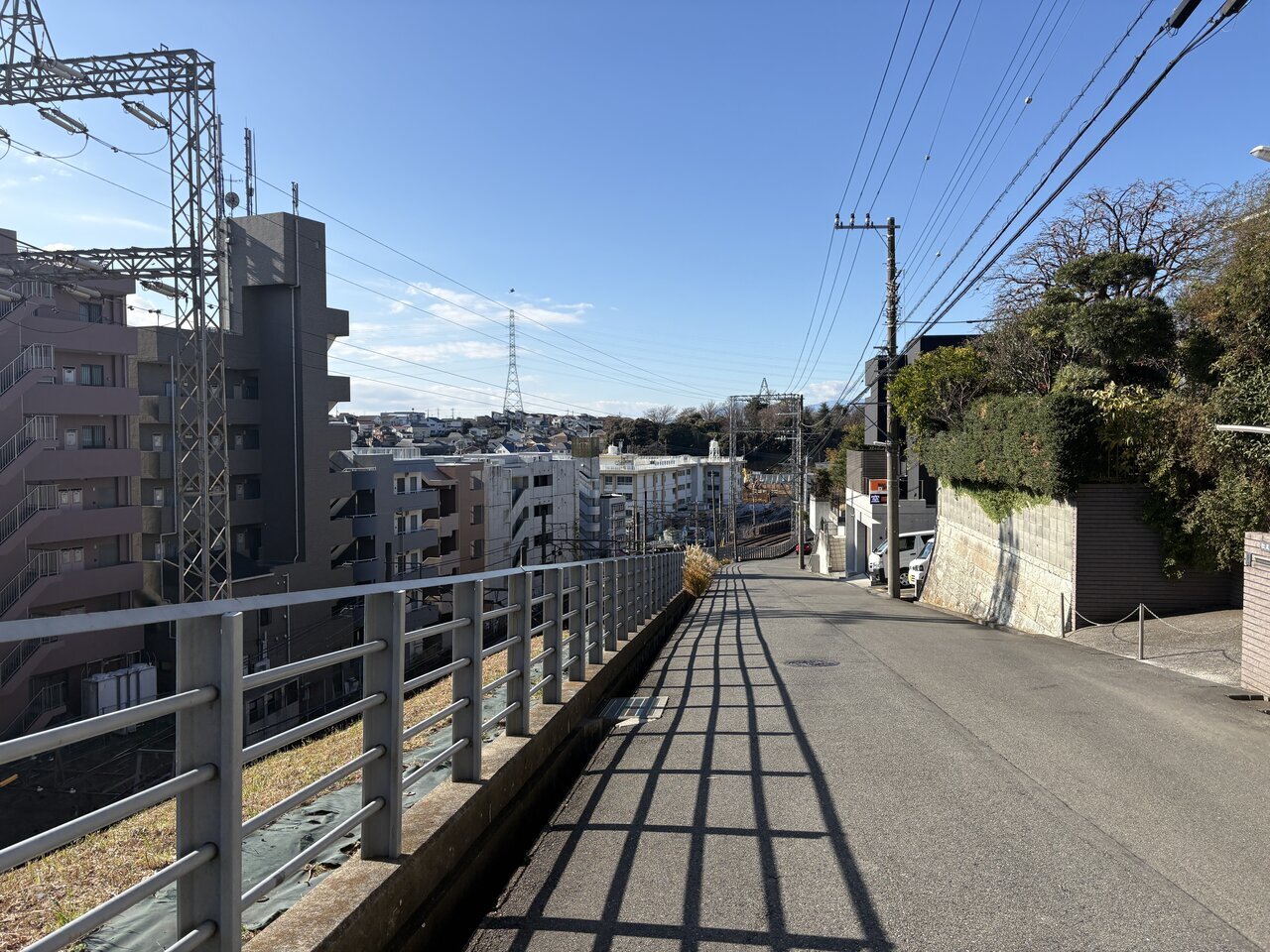
When I stepped out of the north ticket gate of Saginuma Station, the first thing that caught my eye was the abundance of apartments. Walking from the station gives a quiet and tranquil impression of a residential area. With the sky high and the weather perfect for walking, as I proceeded while glancing at the train tracks, I could hear the sound of trains passing by. It's a sound I stopped being conscious of in the city center, but at this distance, it strangely felt pleasant.
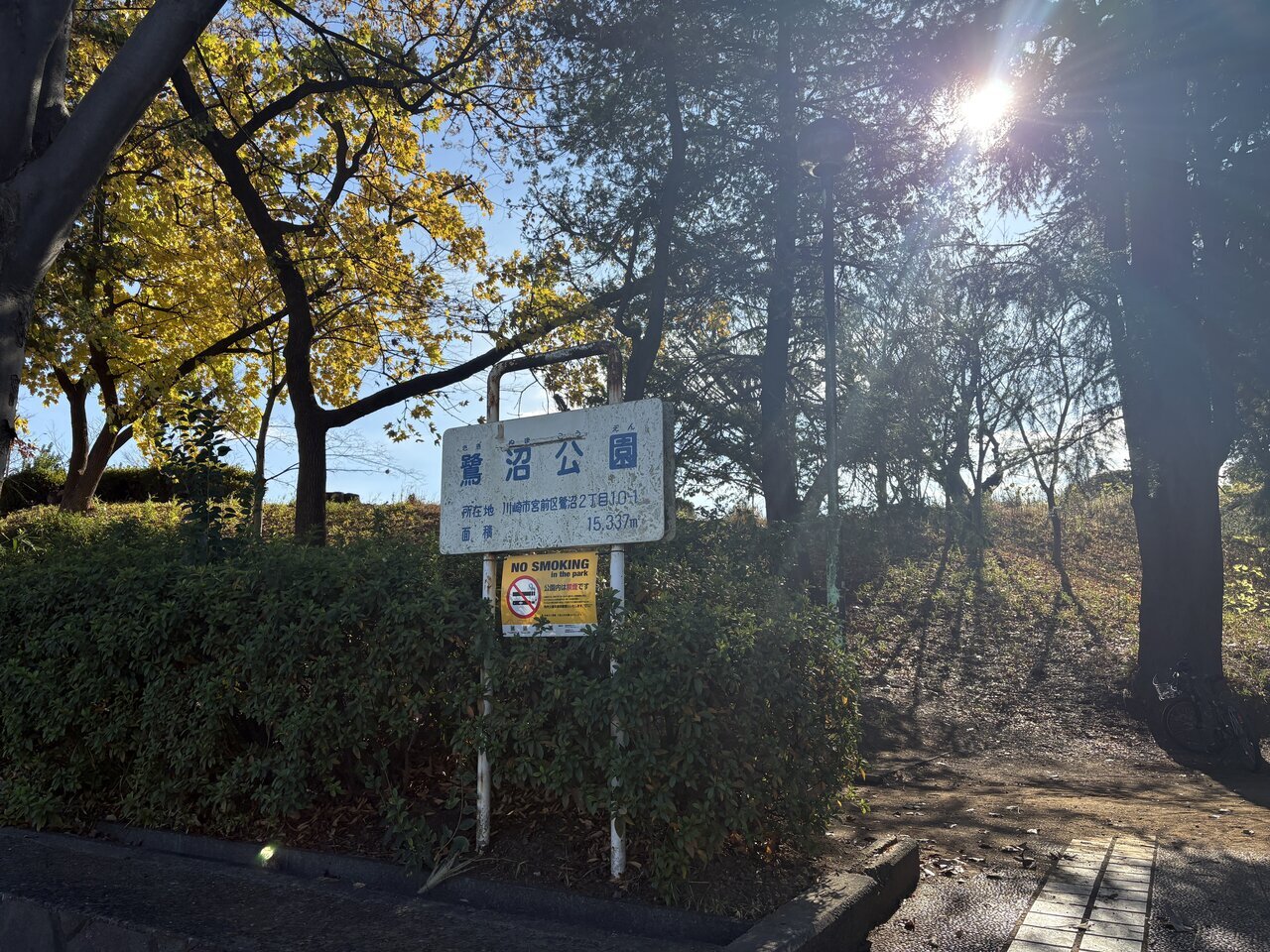
After walking for a while, I came across Kawasaki City Saginuma Elementary School and Saginuma Park, where I could see children from a daycare taking a stroll. It took me about 18 minutes to get here, which is a distance that made me a little sweaty.
As you pass through the tunnel of the Tomei Expressway, the scale of the city changes
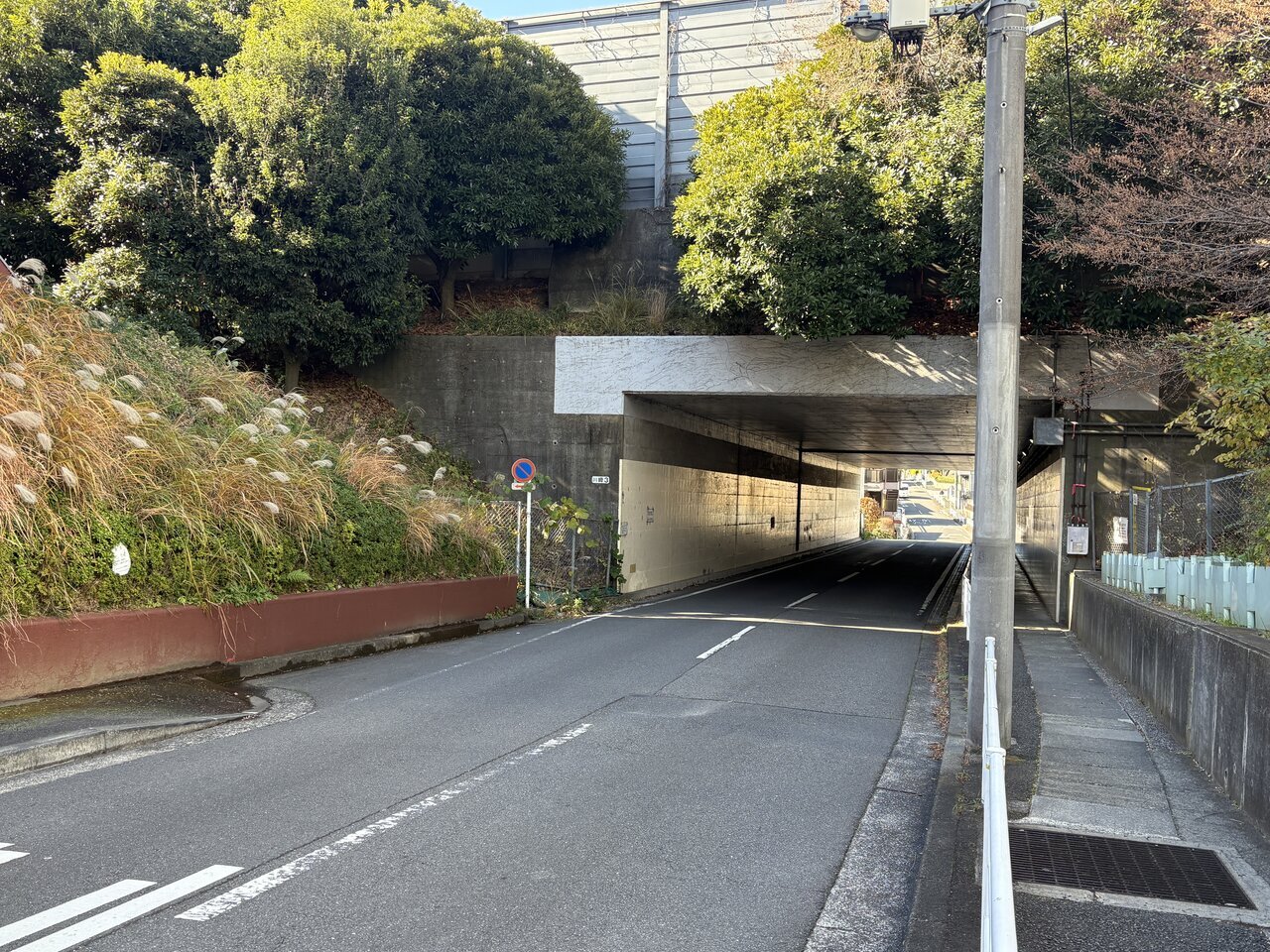
As you continue further, you reach a tunnel that goes above you on the Tomei Expressway. The sound of cars flowing above resonates, and the momentarily narrower view gives a sense of the change in the scale of the city.
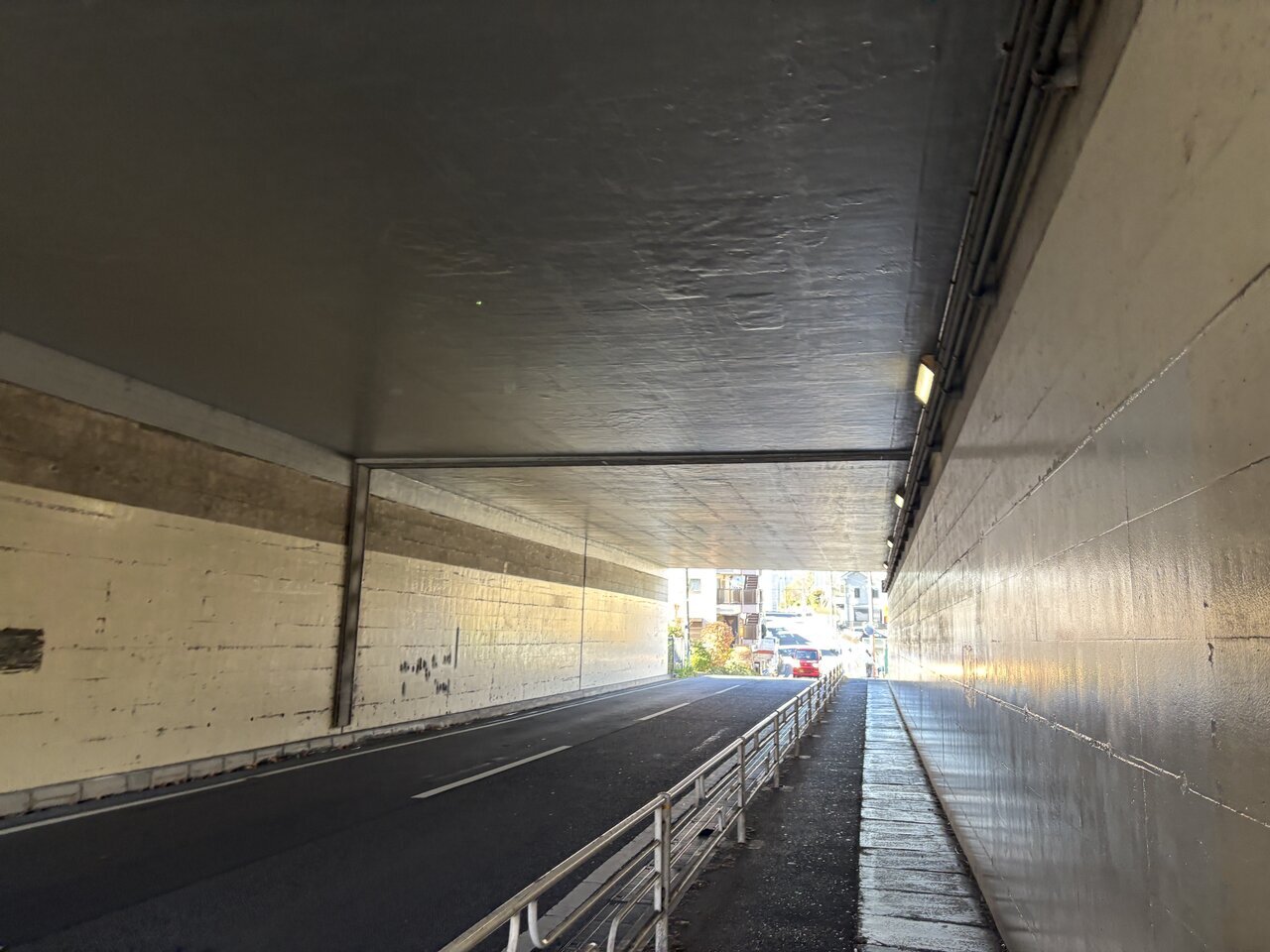
Walking through the tunnel, you realize that the width of the expressway is surprisingly large. Once you exit the tunnel, the sky opens up again, and the expression of the city gradually changes.
Around Kinki University Tamaplaza Campus
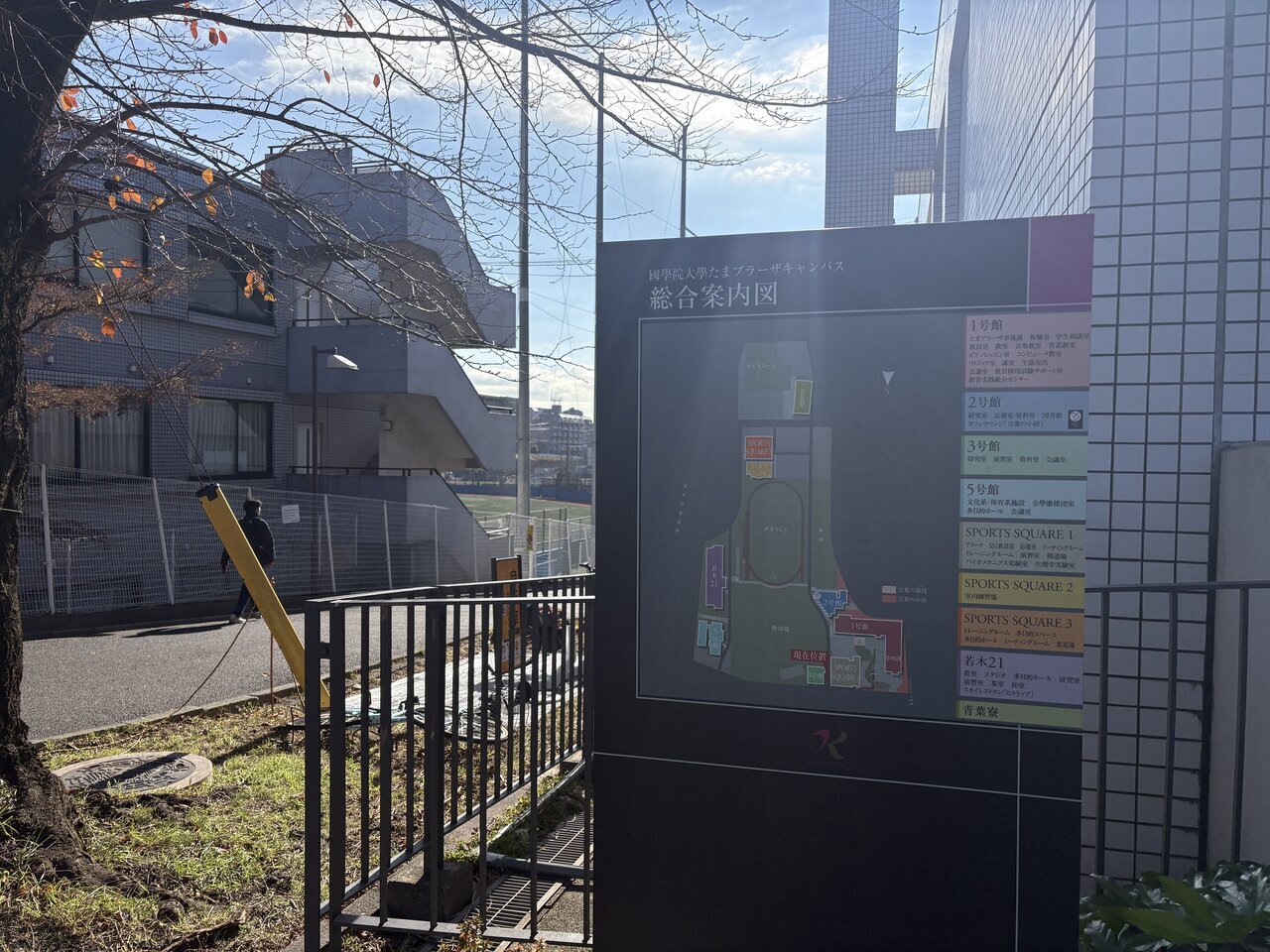
It takes about 7 more minutes on foot from the tunnel to Kinki University Tamaplaza Campus. The presence of students increases, and you can feel the youthful vibrancy of the city. There is no noise, and since it naturally connects to residential areas, I could really feel that the city of Tamaplaza seems like a livable place.
Arrived at Tama-Plaza Station, and then to a corner of the shopping street
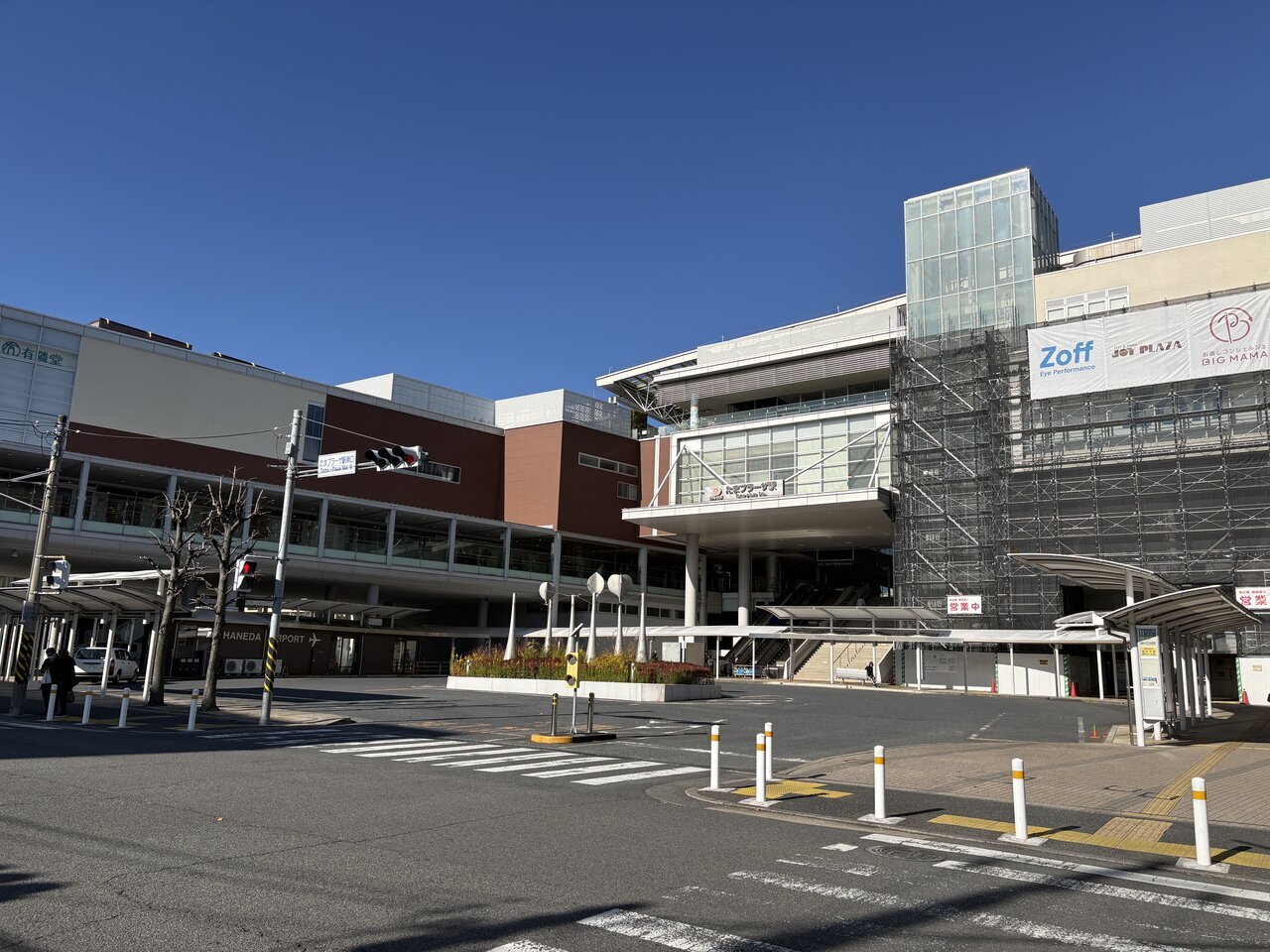
It takes about 4 minutes from Kogakkan University to Tama-Plaza Station. As you approach the station area, the streets become organized, and the sidewalks and shopping streets convey a sense of calm unique to this town. There is no rush, and many people seem to have a leisurely sense of time.
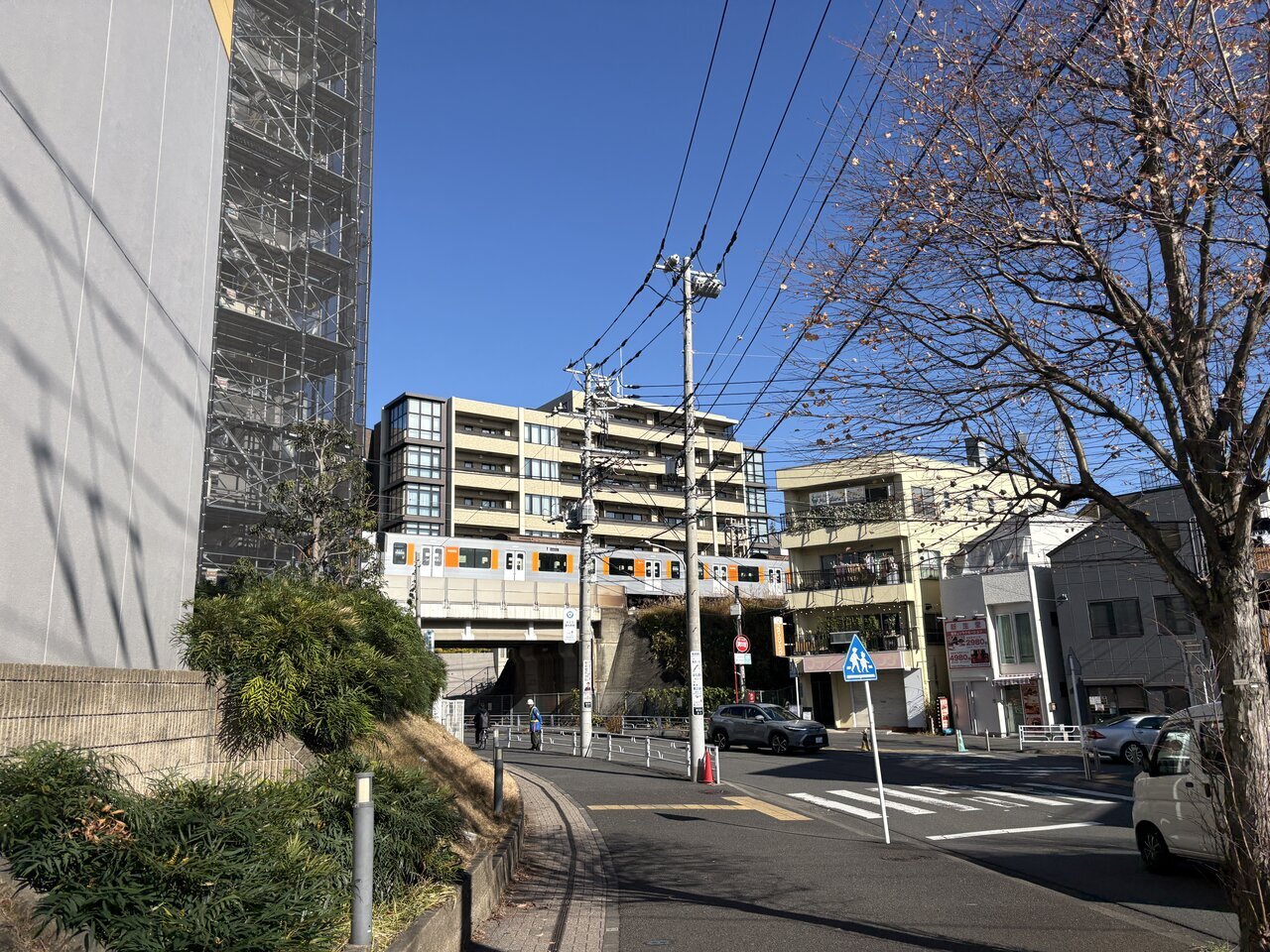
After walking for another 3 minutes, I arrived at the homey, long-established Chinese restaurant "Kokuyou" located in a corner of the shopping street.
Upon arriving at the Chinese restaurant "Kokuyou," I ordered the "Black Biangbiang Noodles."
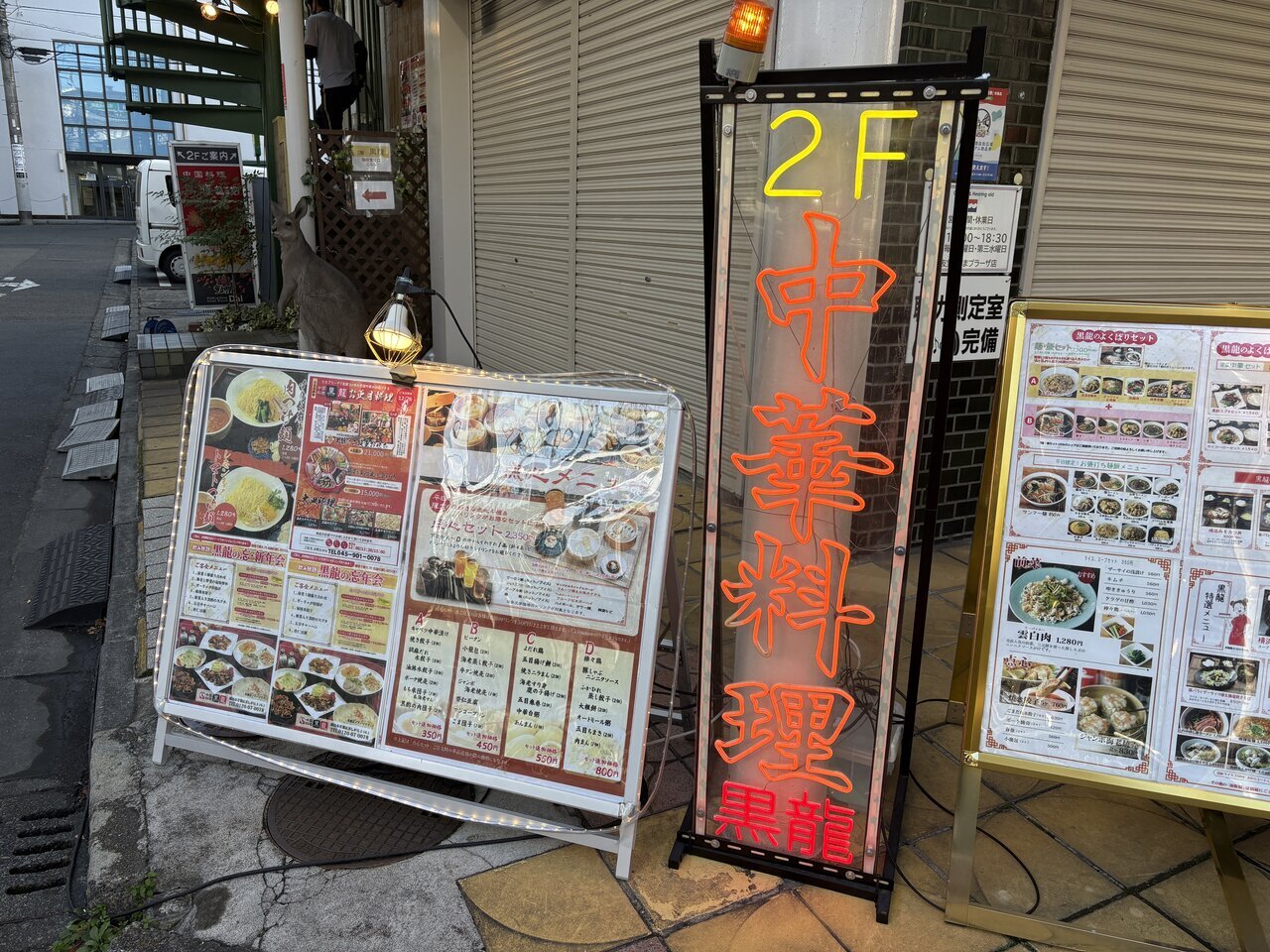
Kokuyou, located in a corner of the shopping street, has the restaurant on the second floor, but first, the storefront sign catches my eye. After checking the sign, I headed towards the stairs set up outside the building.
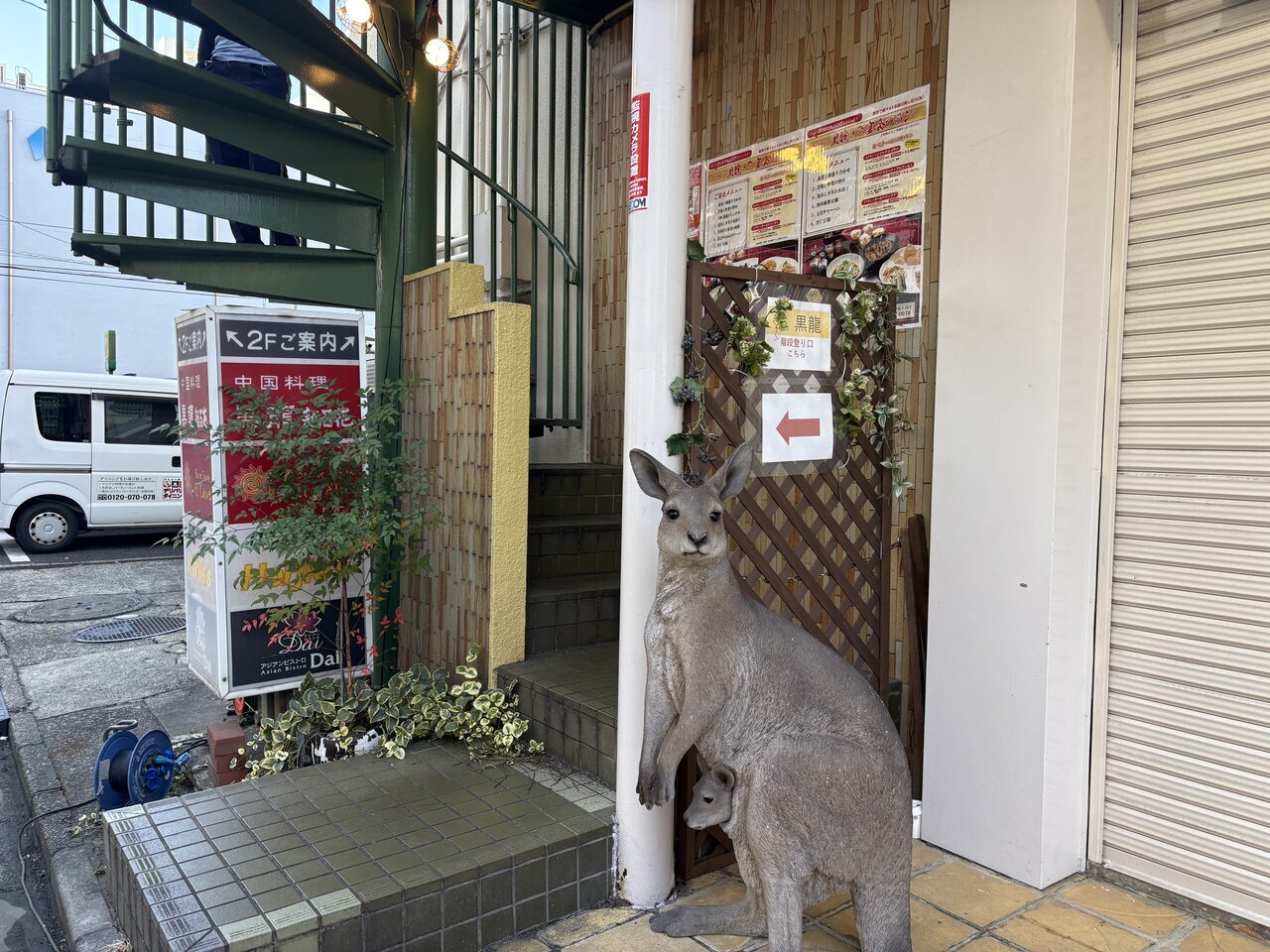
When you climb the external spiral staircase,
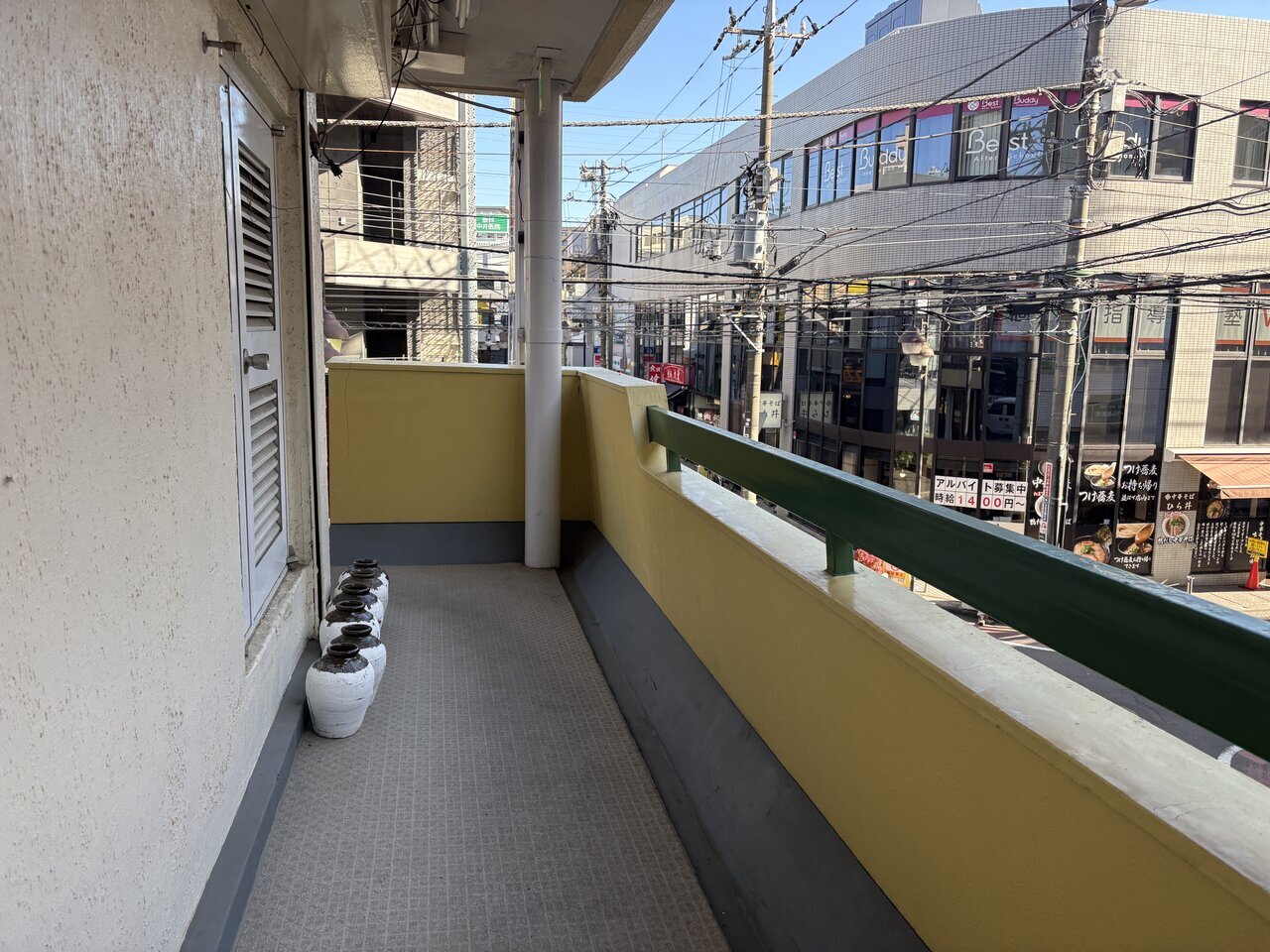
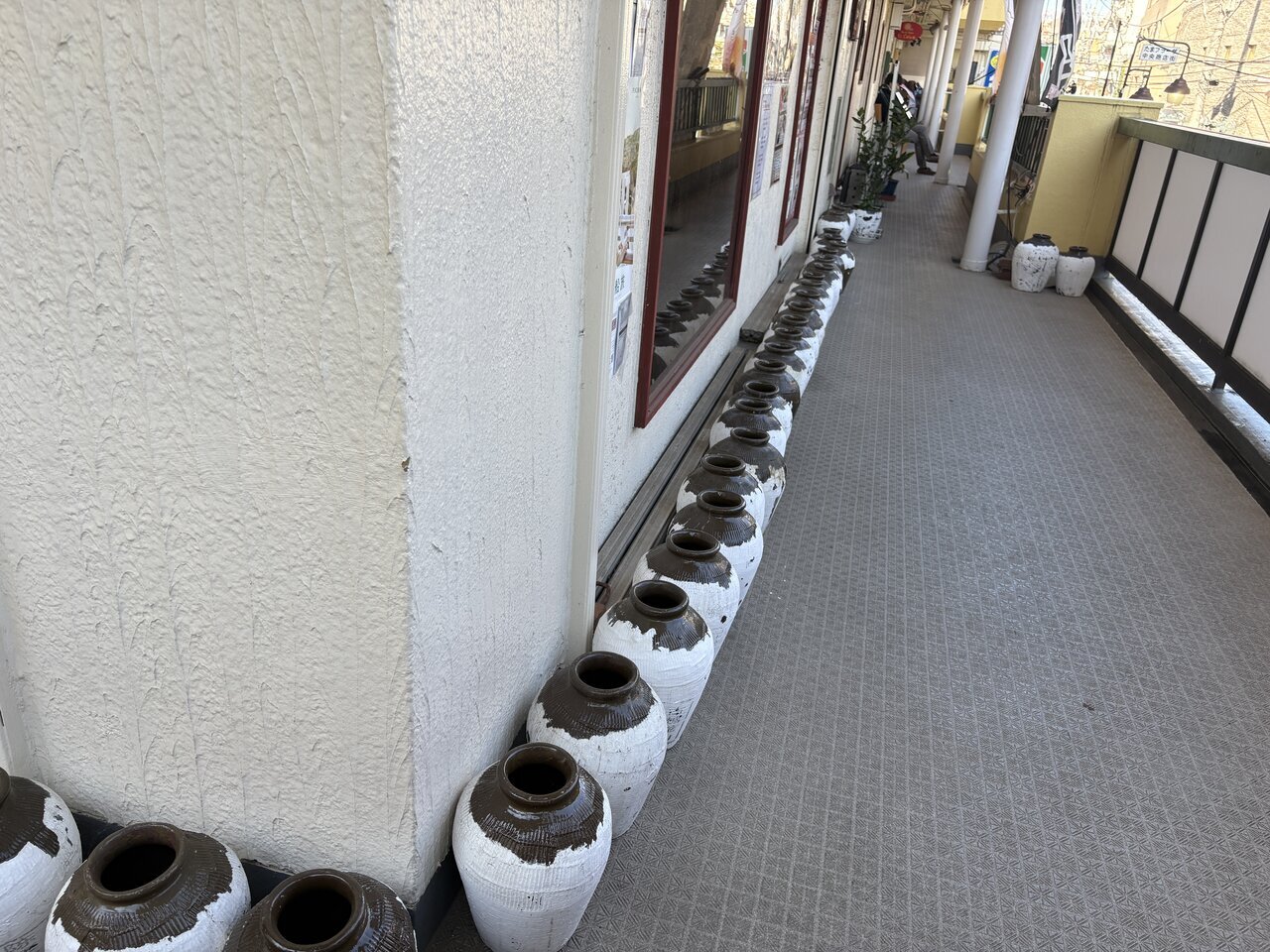
Around the entrance, there were several jars placed, and even before entering the shop, there was a hint of a foreign atmosphere. The place had a very traditional Chinese restaurant appearance, making it easy to enter even for the first time.
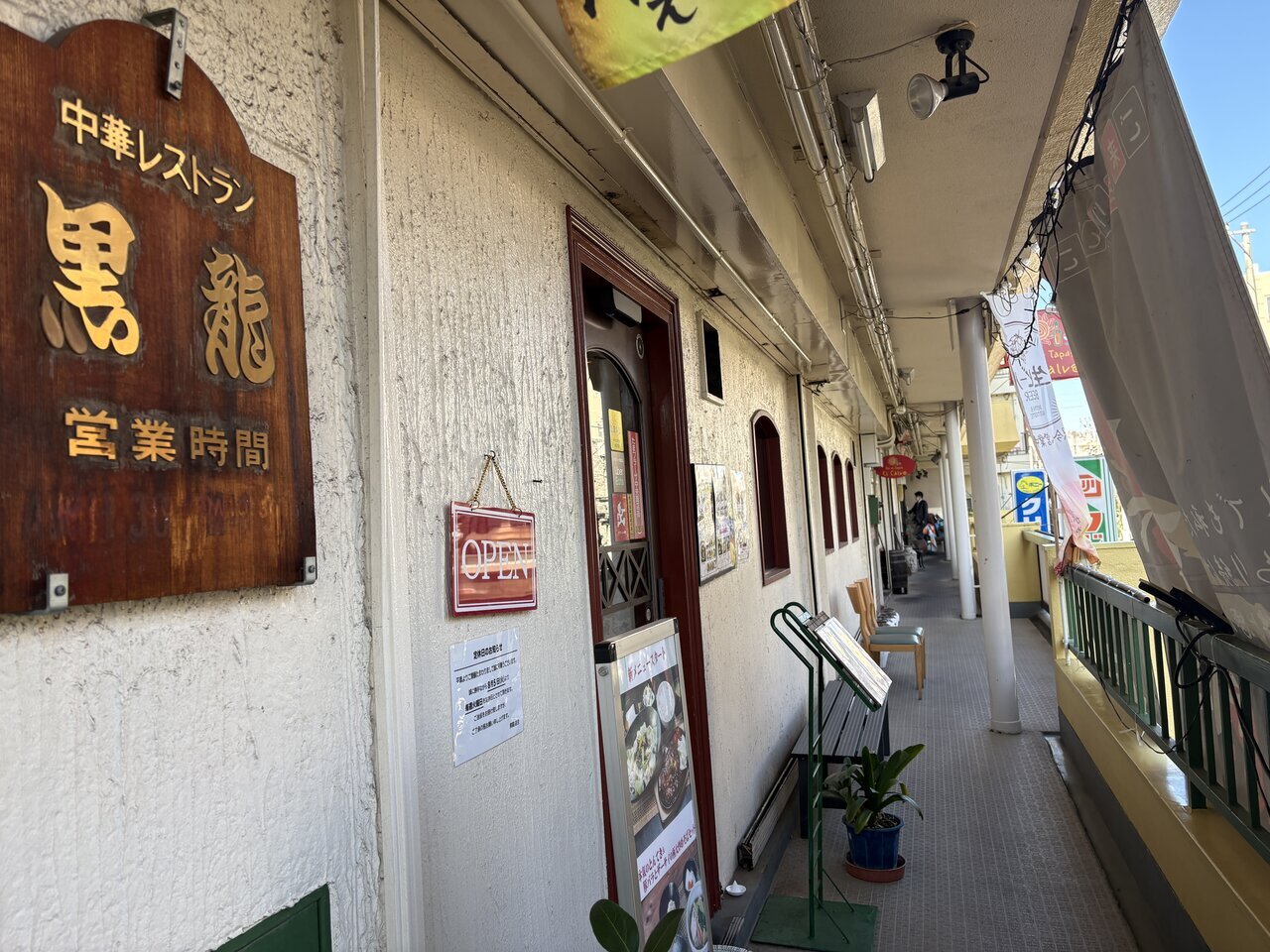
Standing in front of the door with the OPEN sign hanging, I can sense a calm atmosphere, slightly detached from the hustle and bustle of the shopping arcade.
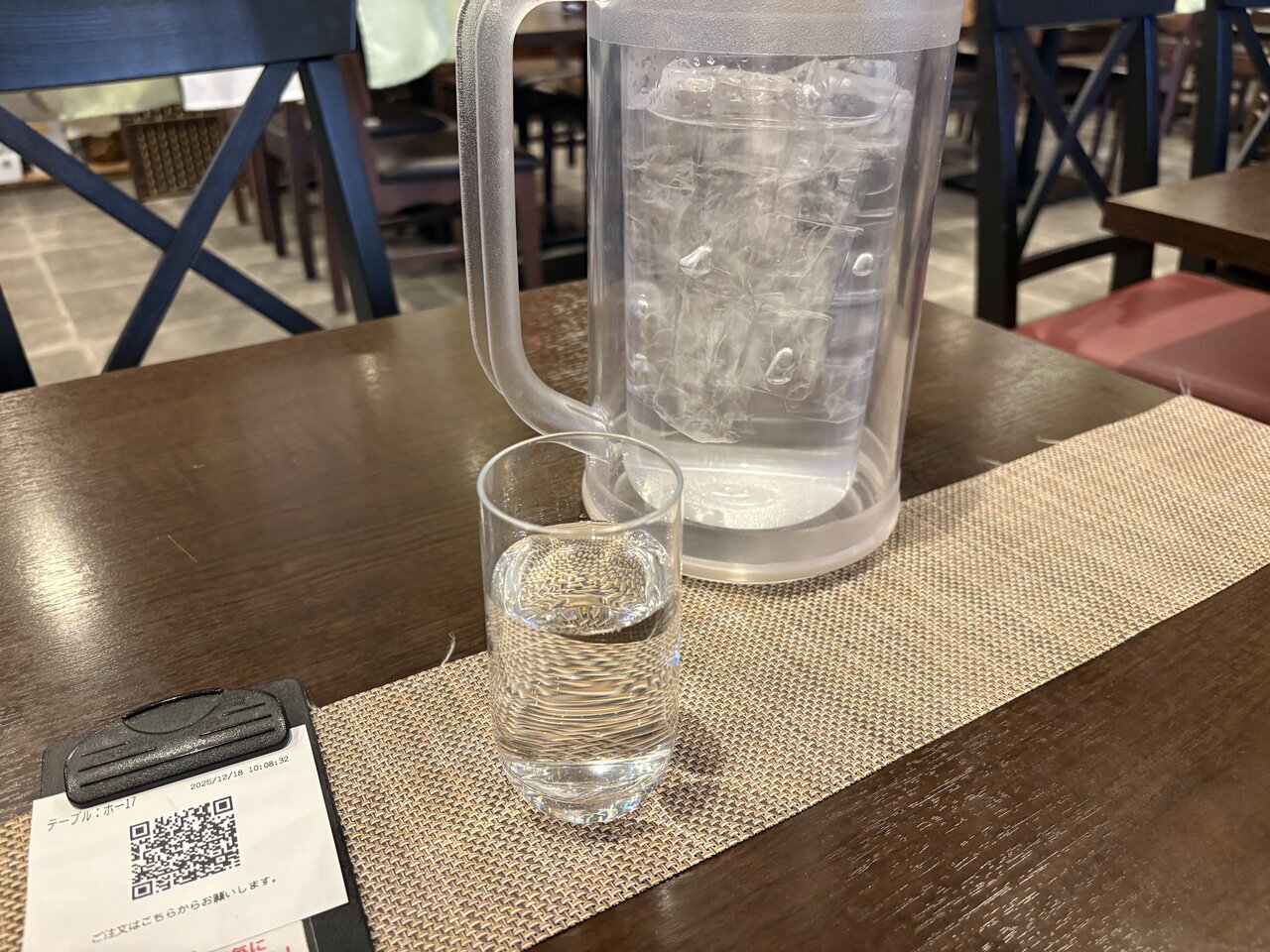
Upon entering the store, the ordering style was done through a QR code on a smartphone. In contrast to the retro atmosphere of the interior, the ordering method was very modern, and that gap might be part of what makes this place unique.
What I ordered at Kuro Ryu was the signature "Black Bian Bian Noodles."
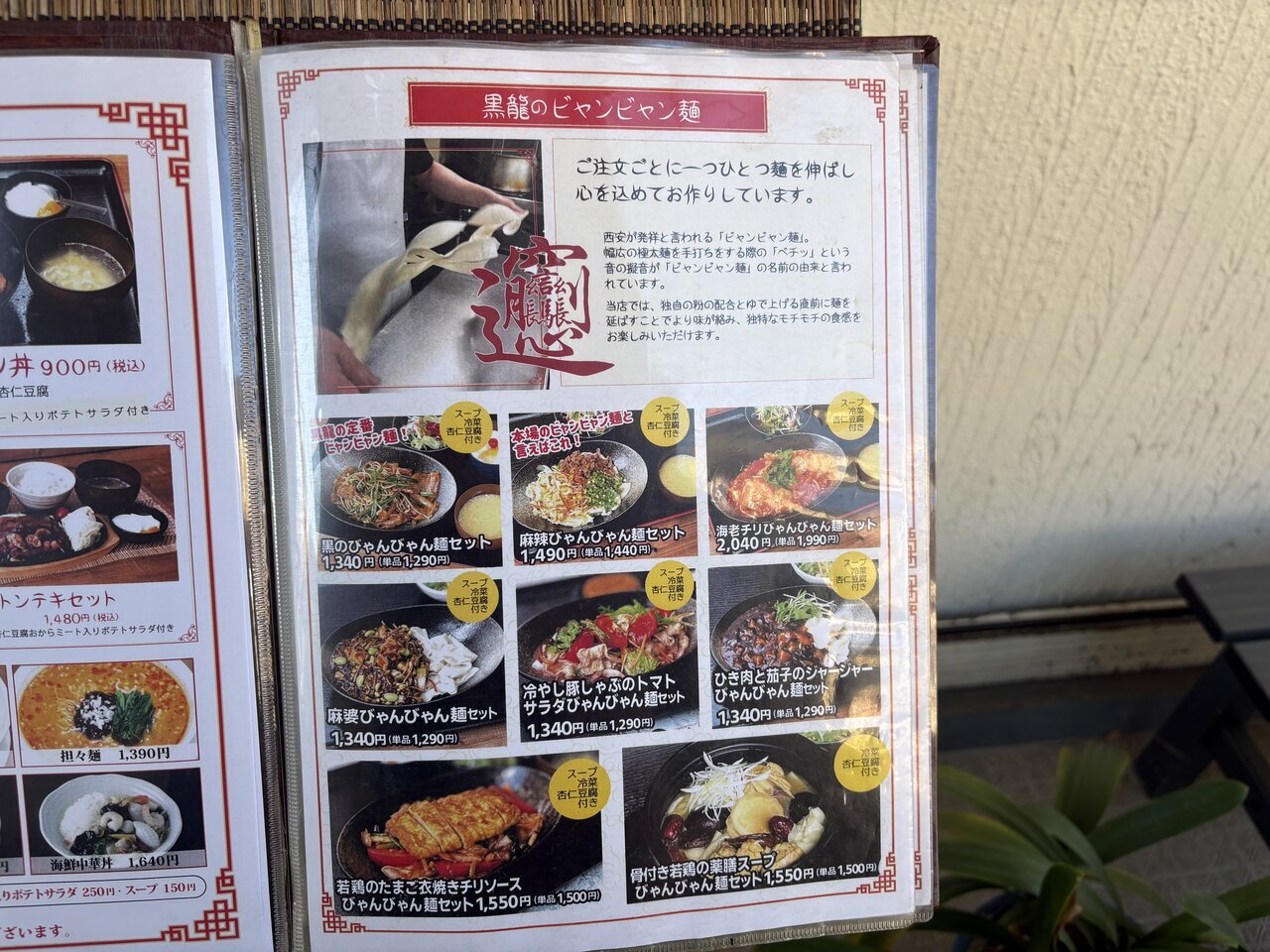
The price is 1,290 yen, but when I tried to order from my smartphone via the QR code in the store, I couldn't find any individual menu items. So, I called over a staff member to confirm, and I was informed that it would be a lunch set for 1,340 yen that comes with soup, salad, and almond tofu, so I placed my order verbally as instructed.
Thicker than I imagined, wide and extremely thick noodles
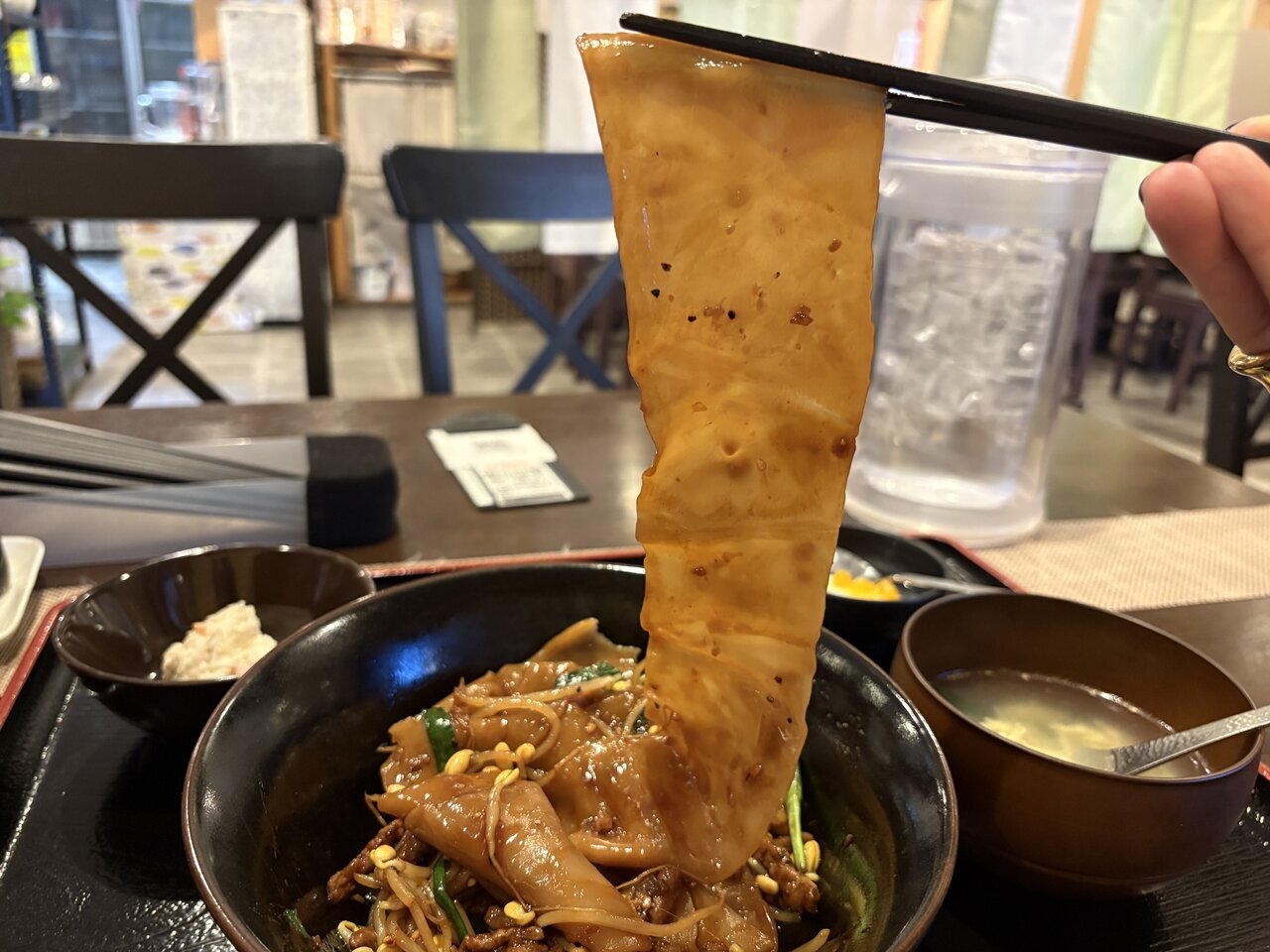
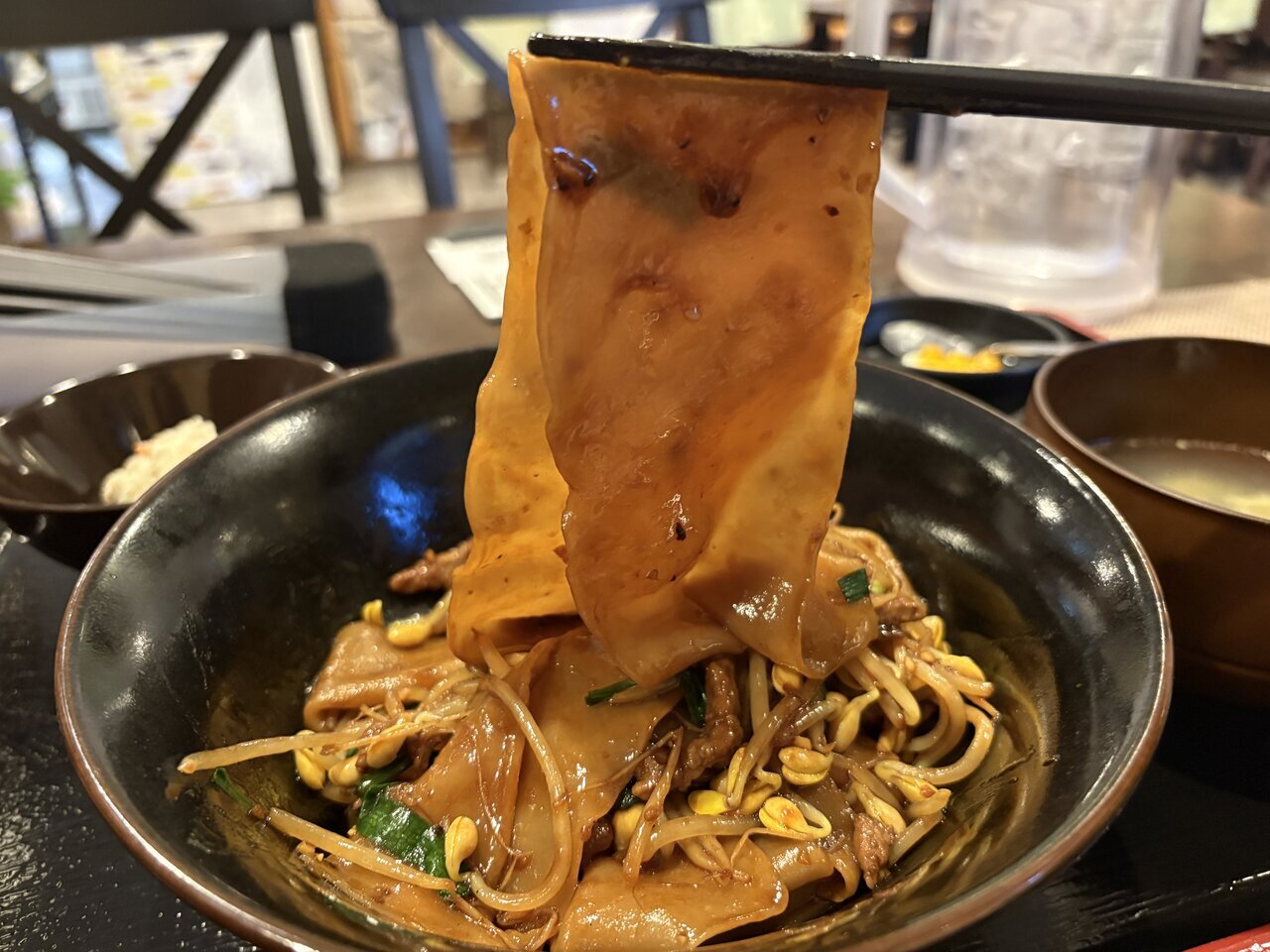
When I saw the biang biang noodles that were brought to me, the first thing that surprised me was the thickness of the noodles. They are over 4 cm wide, which is completely different from the typical noodle experience.
The menu stated that they are called biang biang noodles because of the "bechi" sound made when hand-pulling the wide, thick noodles.
The menu stated that they are called biang biang noodles because of the "bechi" sound made when hand-pulling the wide, thick noodles.
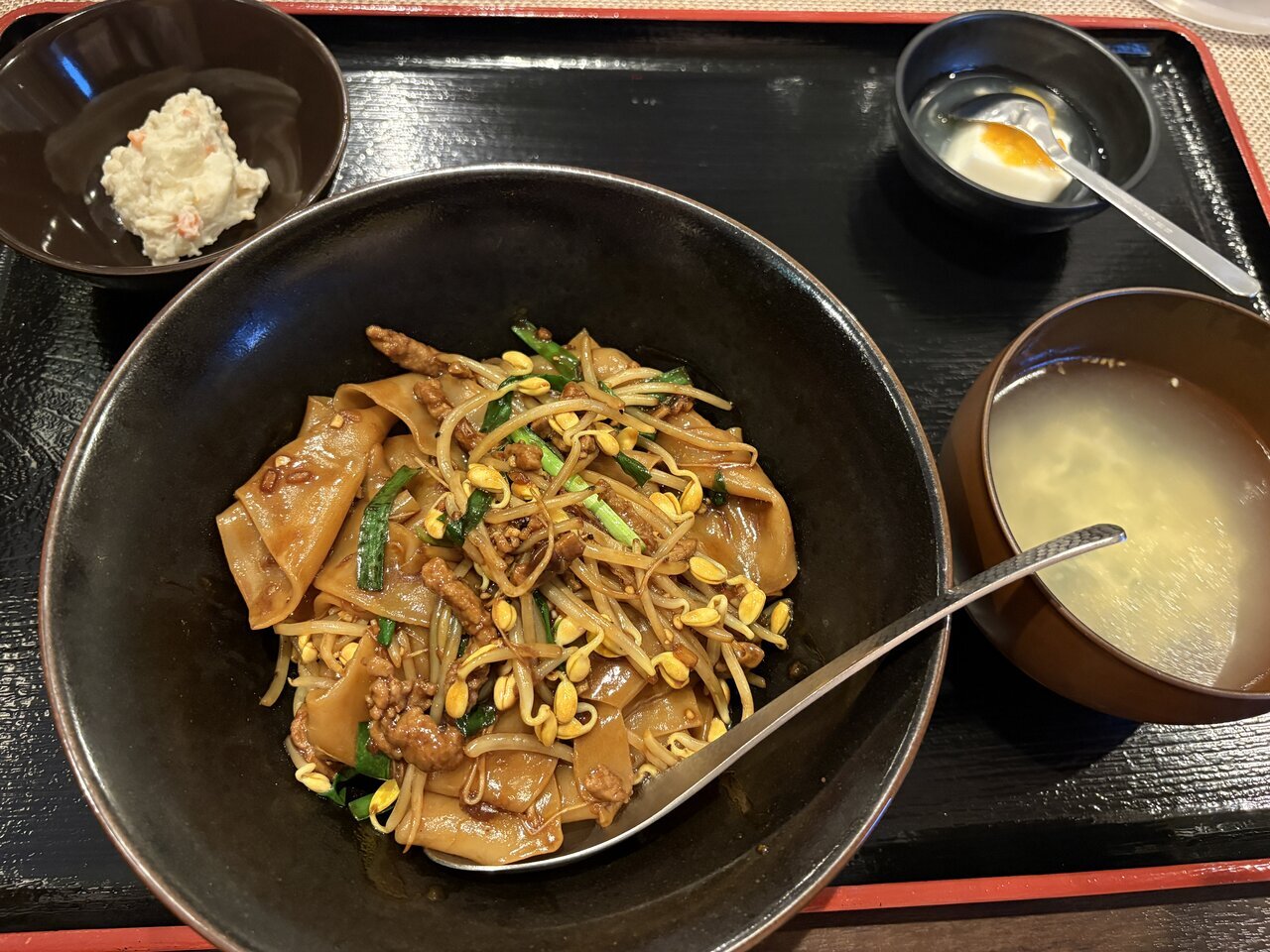
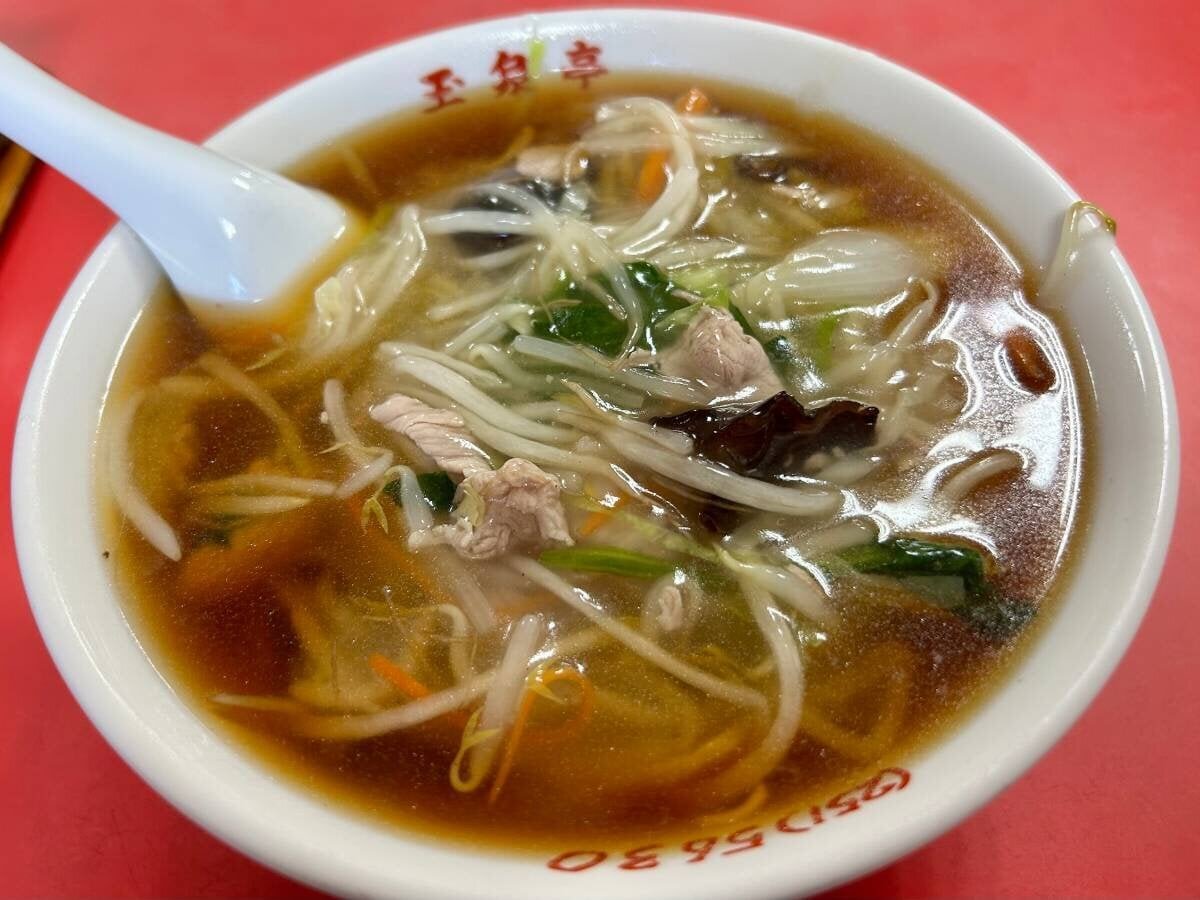
Accompanying the lunch set were potato salad, egg and seaweed soup, and almond tofu topped with orange, all of which complemented the main star, the noodles, without being too assertive. There is a reassuring feeling typical of traditional Chinese restaurants.
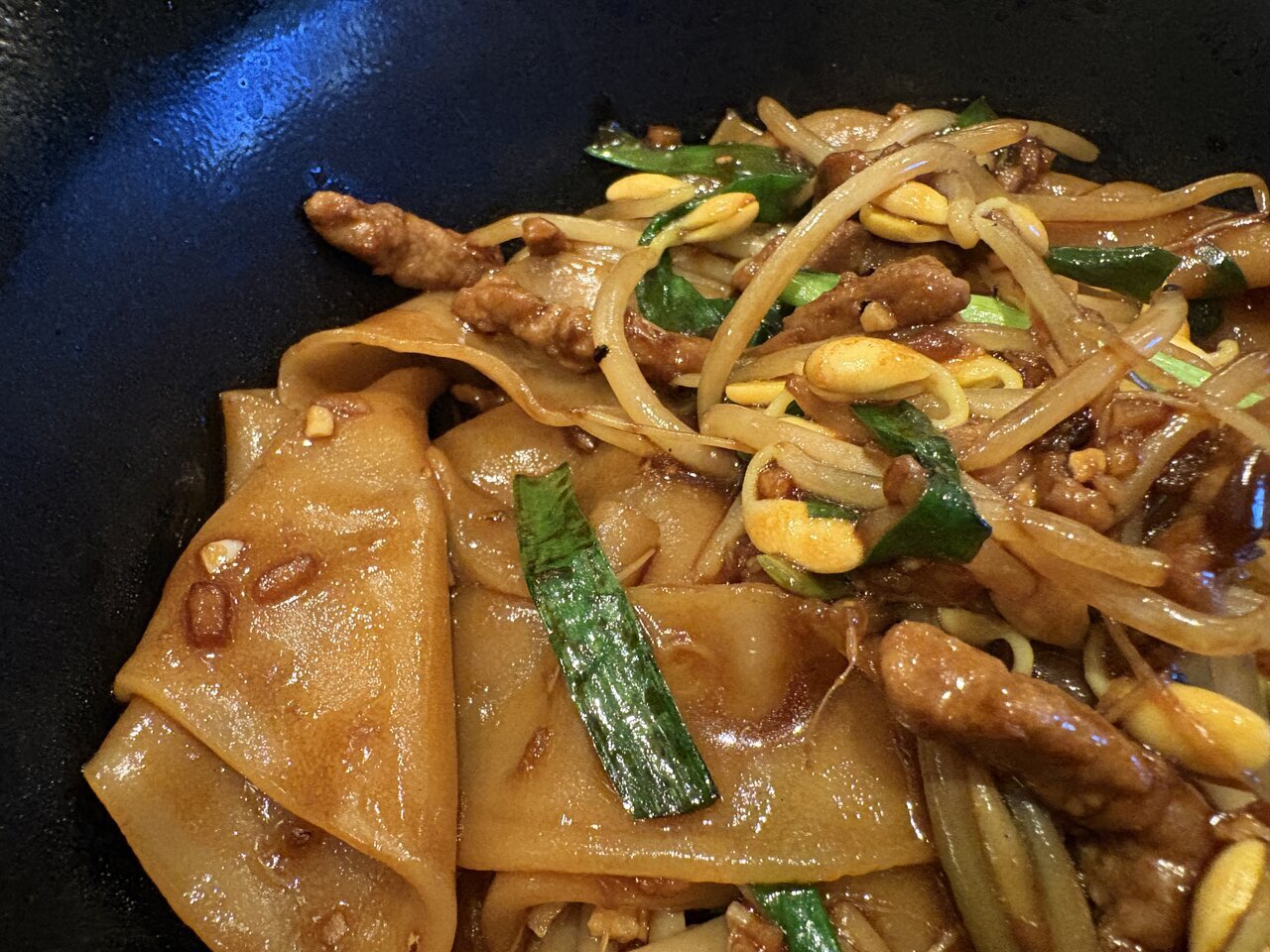
It seems that biang biang noodles are made using domestic strong flour that has been fermented overnight. When I actually ate them, I experienced a chewy elasticity, and the presence of wheat was strongly conveyed.
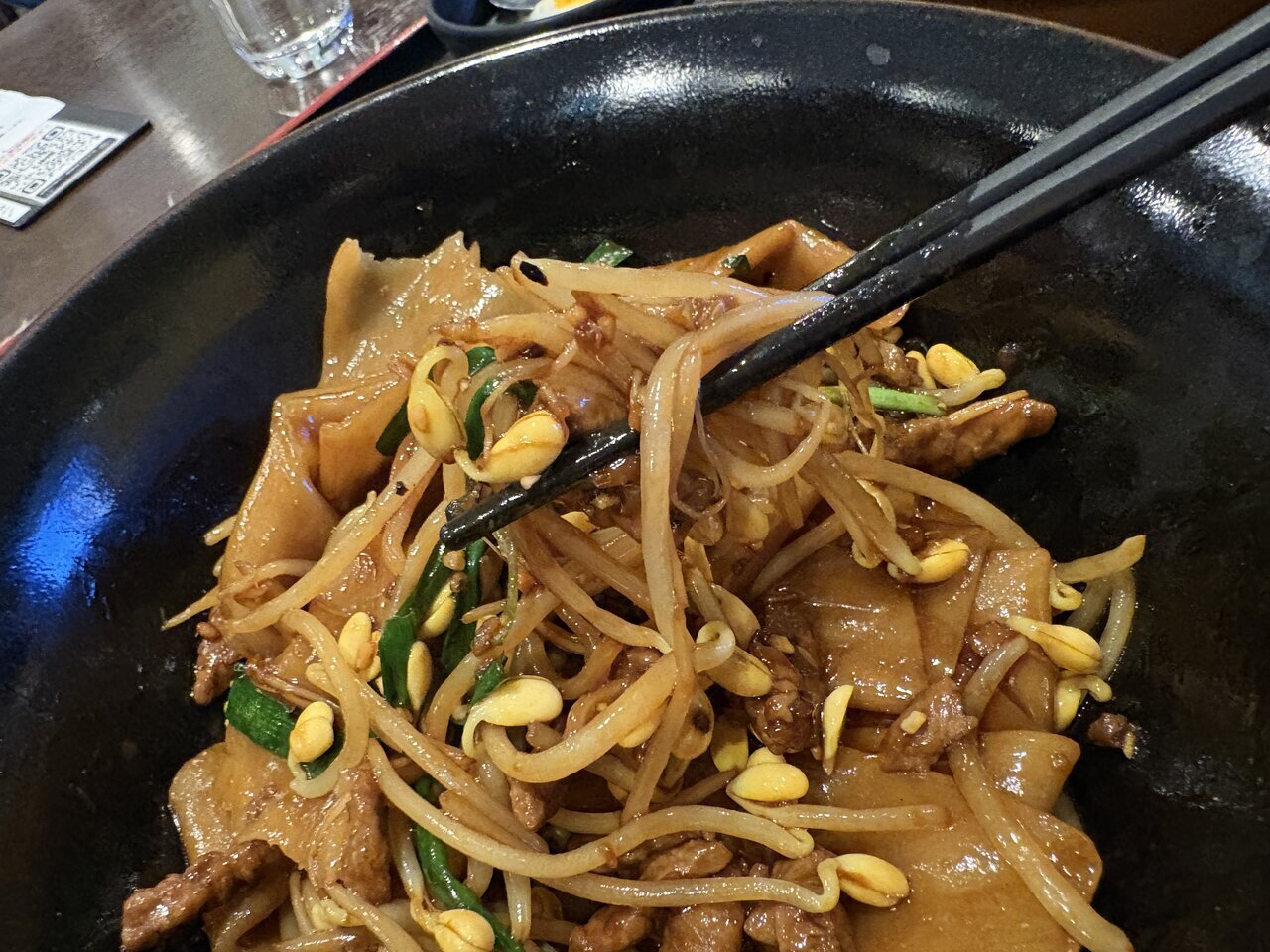
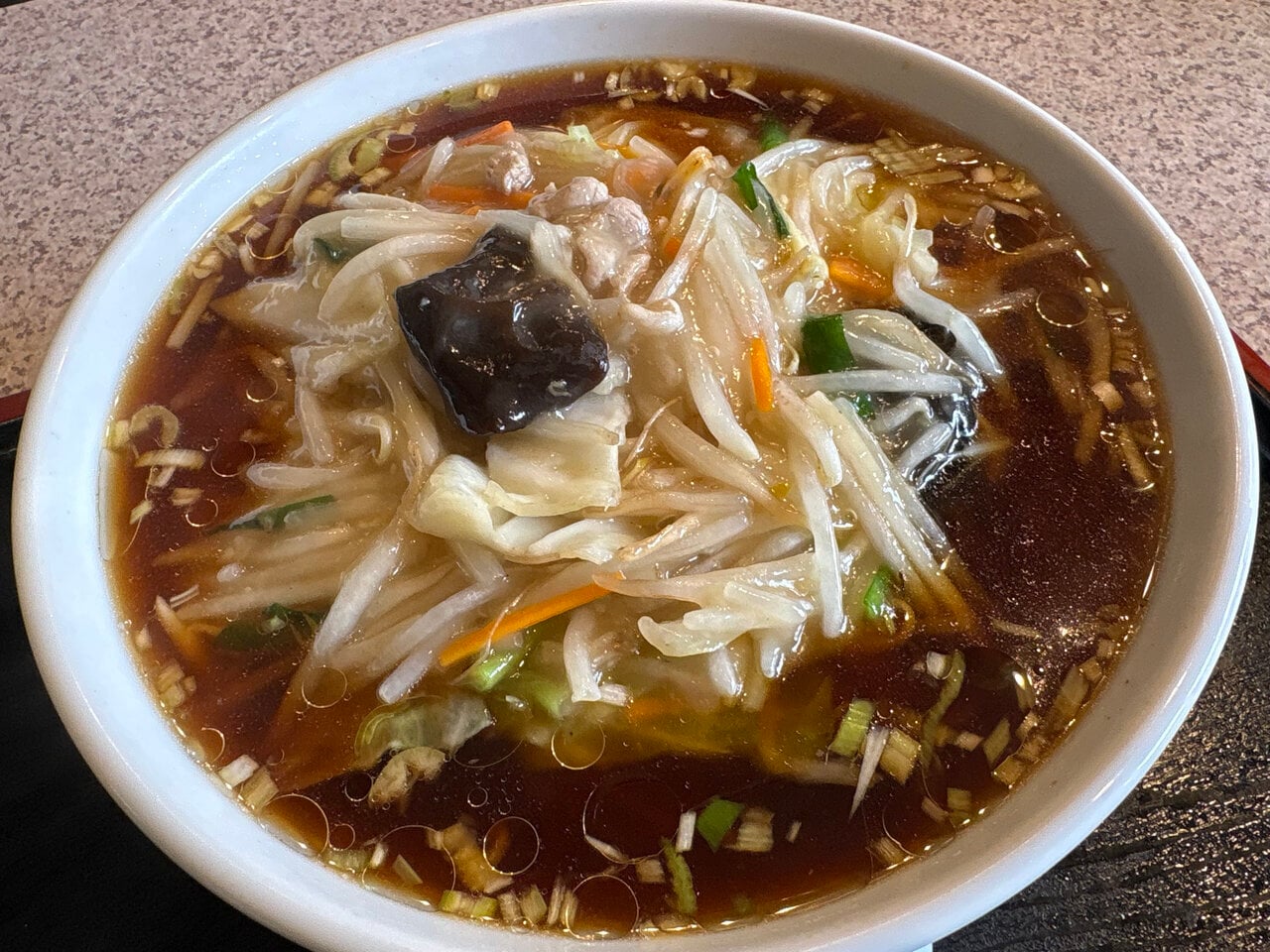
The ingredients consist of a simple combination of bean sprouts, chives, and meat, but they pair well with the wide noodles, enhancing the satisfaction with every bite. It's more of a dish to savor by chewing than to slurp.
The time spent walking is properly rewarded with a bowl
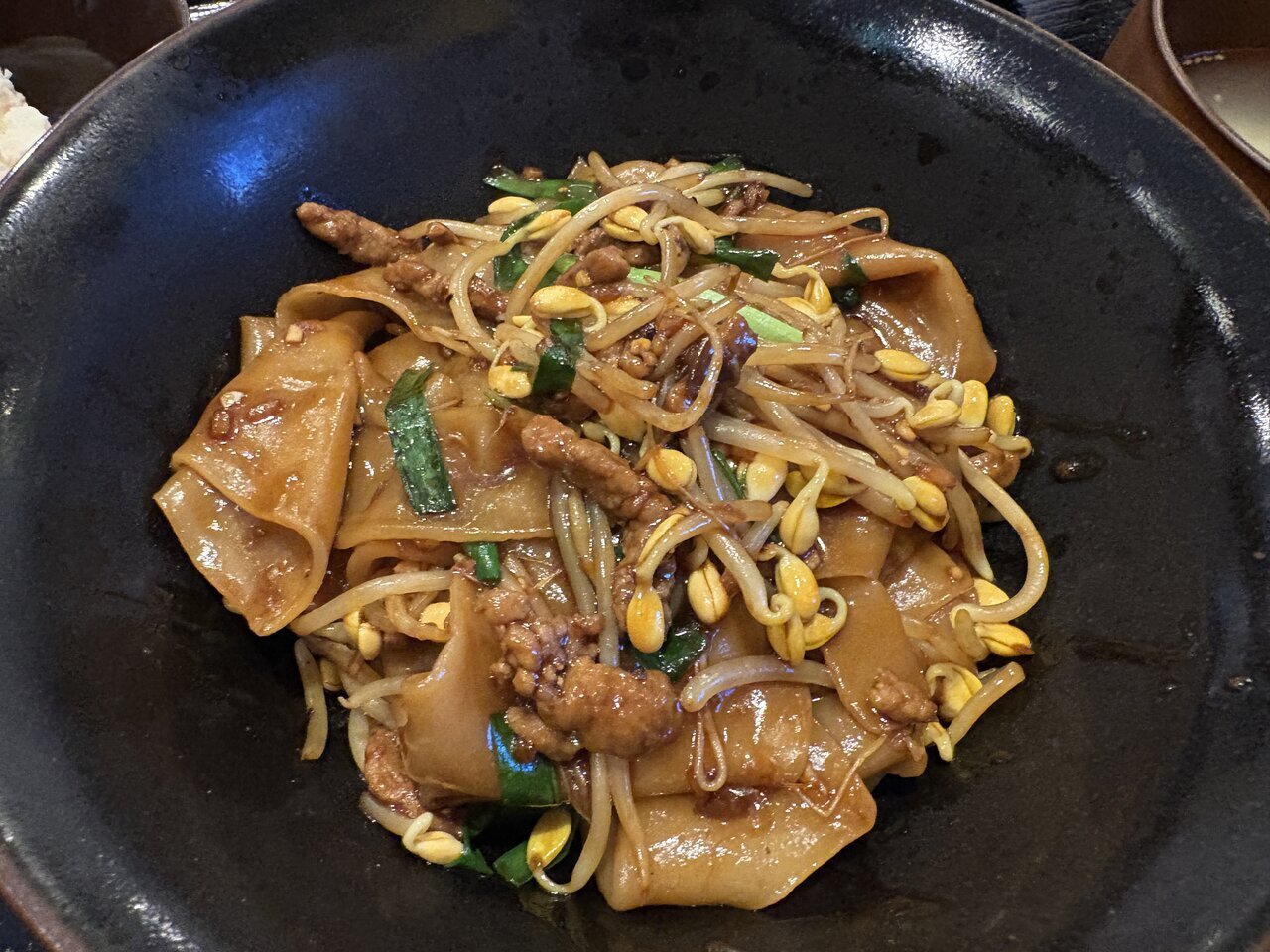
The strength of these biang biang noodles seeps into my body that walked from Saginuma Station. There are no flashy presentations, but there is a satisfying feeling of “I walked this far for this bowl.” The biang biang noodles from Kokuryu might be just right as a conclusion to the time spent walking and moving around the city.
What's left after the meal is a sense of having used time well
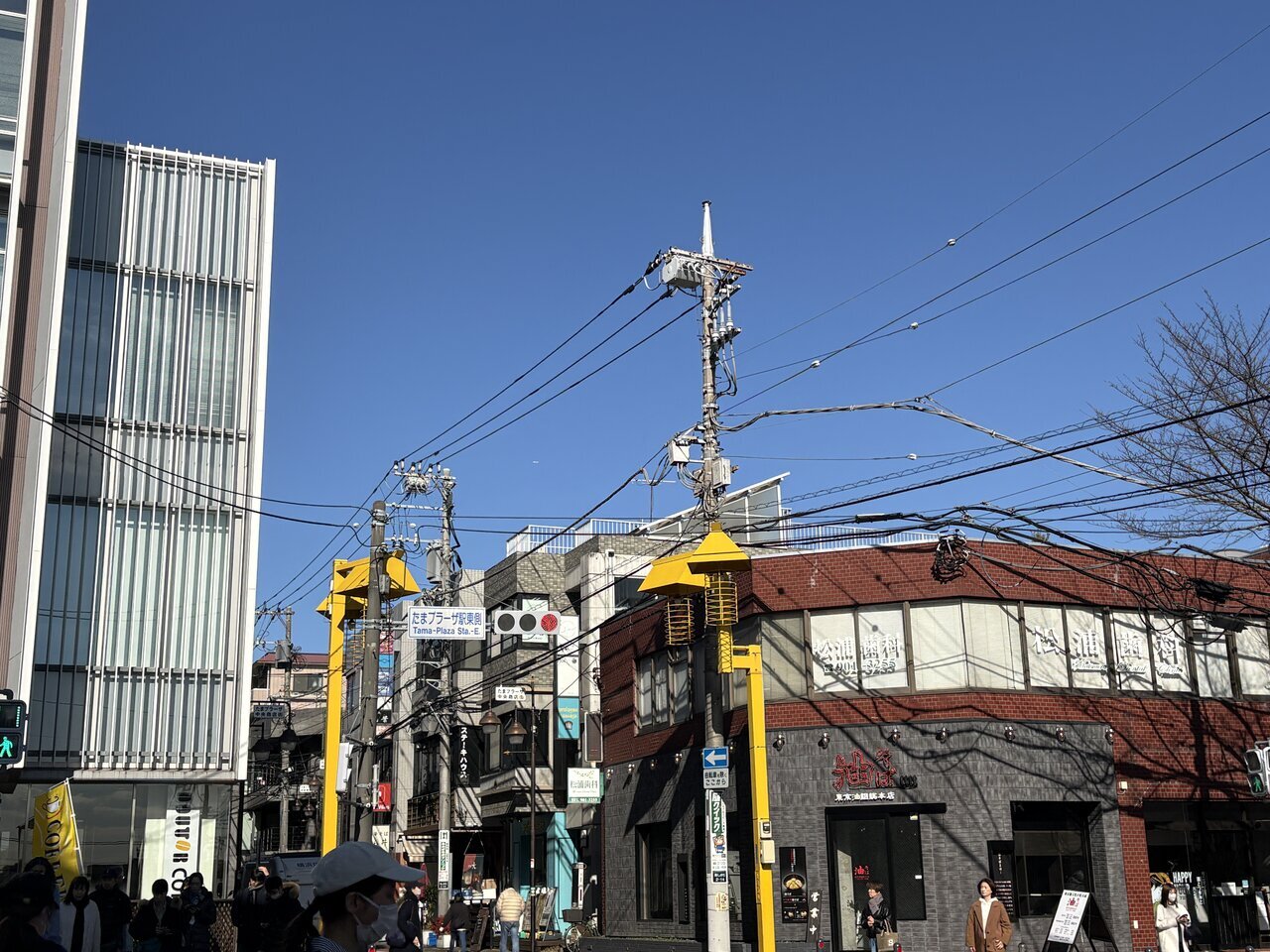
As I left the restaurant after finishing my meal, what lingered more than fullness was the sensation of “I used my time well.” Eating the noodles was certainly the purpose, but when the ambience of the town leading up to that moment is added, the experience of eating in this city remains in memory. On a weekday when I want to distance myself a bit from busyness, this way of spending time might be nice.
Kokuryu
Location / 2-16-1, Uchigigaoka, Aoba Ward, Yokohama City, Kanagawa Prefecture, Globe Plaza Building 2F
Coverage and text / SYURI
Kokuryu
Location / 2-16-1, Uchigigaoka, Aoba Ward, Yokohama City, Kanagawa Prefecture, Globe Plaza Building 2F
Coverage and text / SYURI
- *Biangbiang noodles
- Biangbiang noodles
- Kokugakuin University
- Kokuryu
- SYURI
- Saginuma
- Tama Plaza
- Tomei Expressway
- old store
- street Chinese
- SHARE


![[Time Slip] 3 nostalgic landscapes reminiscent of Japanese folktales that you can encounter in Machida, Tokyo](https://cdn.clipkit.co/tenants/1046/articles/images/000/031/731/large/eb5d7323-ff7f-4fda-8e74-22303034edb5.jpg?1784408435)
![[Interview] Bongo Brownie ✕ VAN LIVING What is the concept of living space that can be enjoyed with simple DIY?](https://cdn.clipkit.co/tenants/1046/articles/images/000/029/348/large/1669c7fe-4dba-4cc5-b0a3-7defa56bc0c0.jpg?1774904732)


 FASHION
 OUTDOOR
 WATCH
WATCH CAR & BIKE
 SNAP
SNAP DINING
 LIFE
LIFE GADGET
 GOLF
GOLF