
![[Practical Review] Inserting a small charcoal kotatsu! Tried a solo stay in the tent "COCO NEST"](https://cdn.clipkit.co/tenants/1046/articles/images/000/028/524/large/48888bd8-303d-450d-908a-508bd657ea53.jpg?1771016628)
OUTDOOR
2026.02.14
[Practical Review] Inserting a small charcoal kotatsu! Tried a solo stay in the tent "COCO NEST"
I wanted it, so I bought a tent that allows me to "nest" inside. I set up a homemade charcoal kotatsu and enjoyed a comfortable night with a sense of security. Getting new gear has broadened the ways I enjoy camping.
I bought one! What is the winter tent "COCO NEST" that can be cocooned?
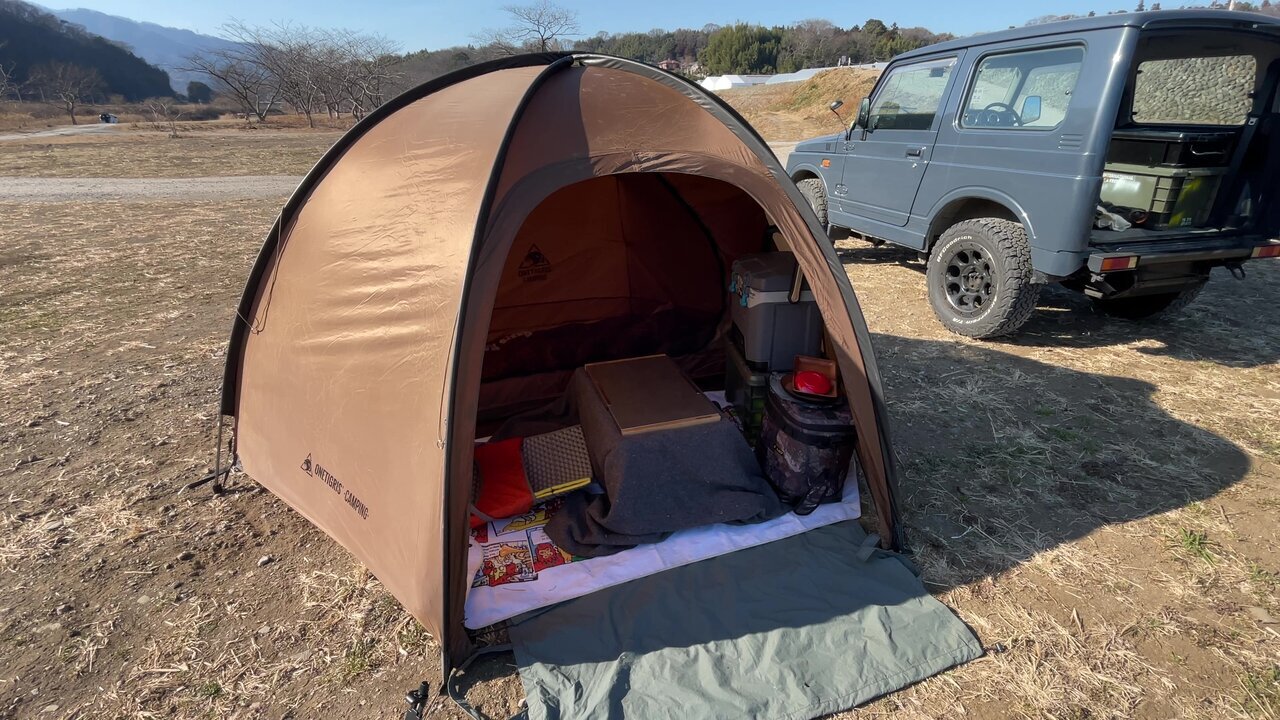
The one I purchased this time is the "COCO NEST" from OneTigris, which is a freestanding, dome-shaped 2-room tent. Generally, 2-room tents with a spacious vestibule tend to have an expanded structure in the sleeping area, but in the case of COCO NEST, it has a symmetrical hexagonal shape which is different from that. Additionally, the reasonable price of 28,900 yen was also attractive.
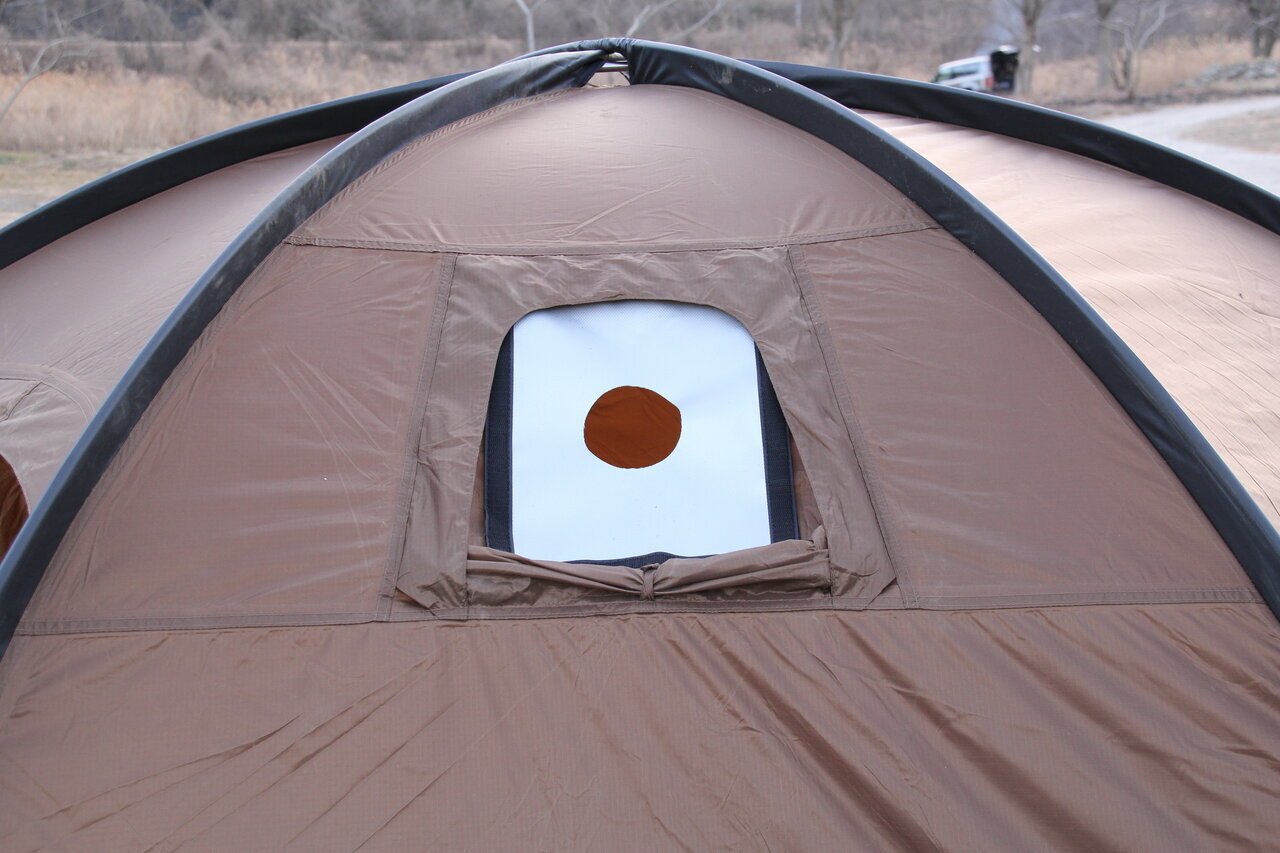
It has a structure where three poles are passed through sleeves to stand, and along with the spacious vestibule, it has a chimney hole for a wood stove, making it designed for "cocooning" inside the tent.
After setting it up and actually touching the tent, the texture of the 40D silnylon with a waterproof rating of 3000mm is good, and the thicker fabric seems to offer good thermal insulation as well. The ends of the tent are reinforced with high-strength Dyneema material, and I am very satisfied with the elaborate construction despite the price being in the 20,000 yen range.
After setting it up and actually touching the tent, the texture of the 40D silnylon with a waterproof rating of 3000mm is good, and the thicker fabric seems to offer good thermal insulation as well. The ends of the tent are reinforced with high-strength Dyneema material, and I am very satisfied with the elaborate construction despite the price being in the 20,000 yen range.
How was the indoor review?
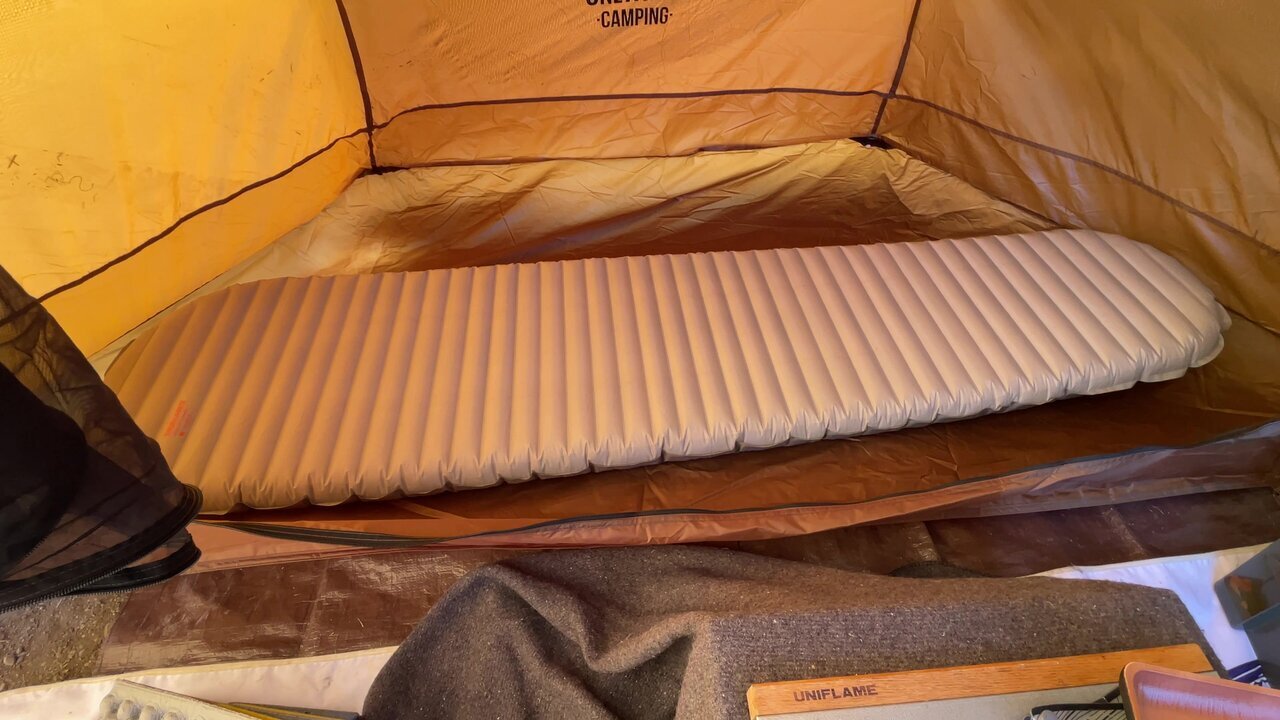
Before purchasing, I read all kinds of reviews, and one concern was that placing a rectangular mat inside the inner tent could interfere with the fabric. Due to the structural design of this hexagonal tent, it seems that using a mummy-shaped sleeping bag, like in the image above, is best, and after trying that, I didn't notice any interference.
You can also remove the inner tent and place a cot inside, but it seems that the position for setting it up might be limited.
You can also remove the inner tent and place a cot inside, but it seems that the position for setting it up might be limited.
Setting up a kotatsu and enjoying a "cocooning" camp
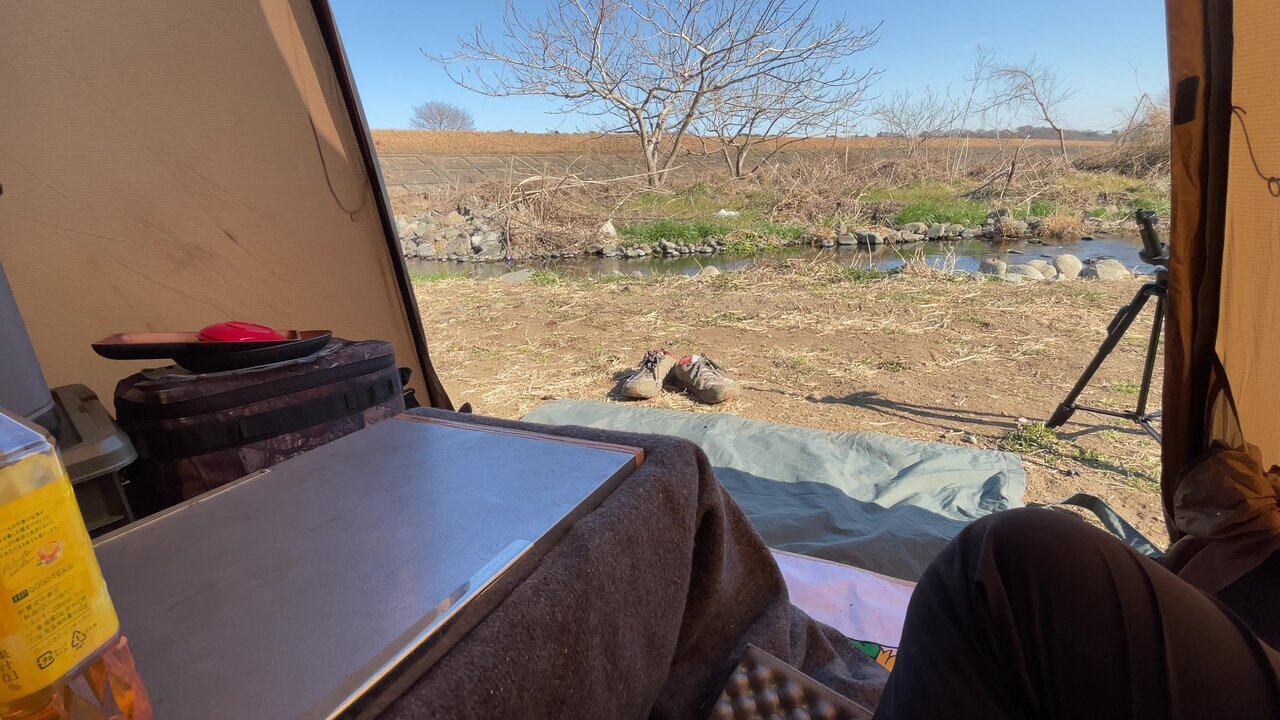
When you go inside, the only part that isn't surrounded by curtains is the entrance, giving it a sense of privacy and making it very comfortable. Since you can place various items, including the kotatsu, in boxes, setting it up was easy. I had been looking for a compact winter tent with a spacious vestibule for a while, and I feel like I've finally found the tent I was searching for.
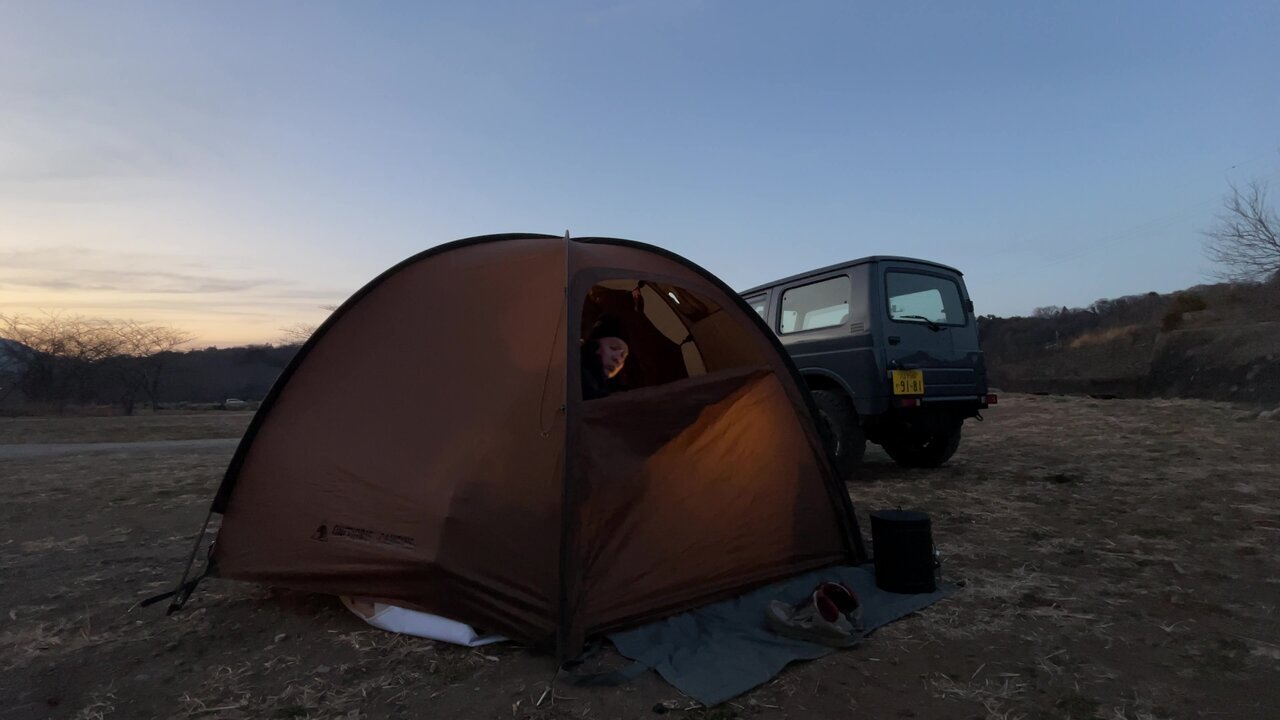
There is one ventilation opening at the top of the tent, but since there are also four zippers at the entrance, you can open the upper part of the entrance as a ventilation opening. Additionally, you can lift it up to create a canopy, so on warm days, you can enjoy a more open style. The plan is to enjoy this style until early spring and buy a wood stove by next autumn and winter.
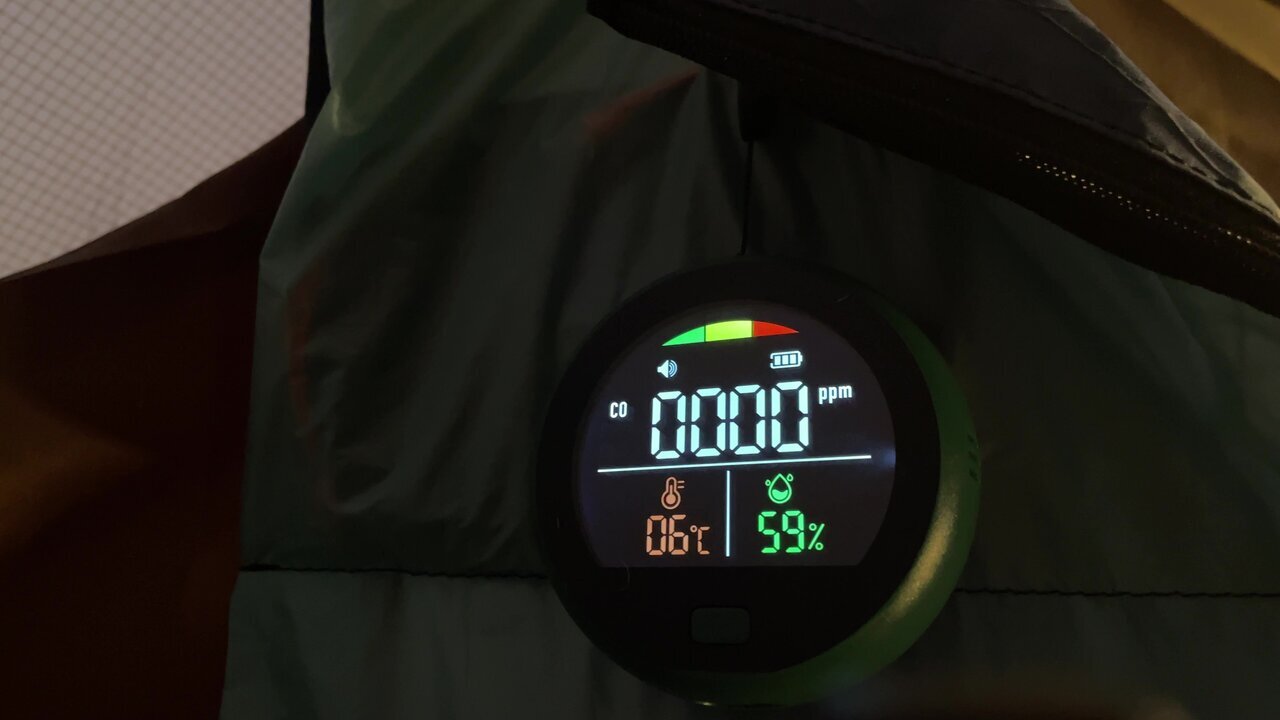
Since I will be using solid fuel and a charcoal kotatsu, I believe we have a solid ventilation system in place, but just in case, I will introduce a carbon monoxide checker to camp safely.
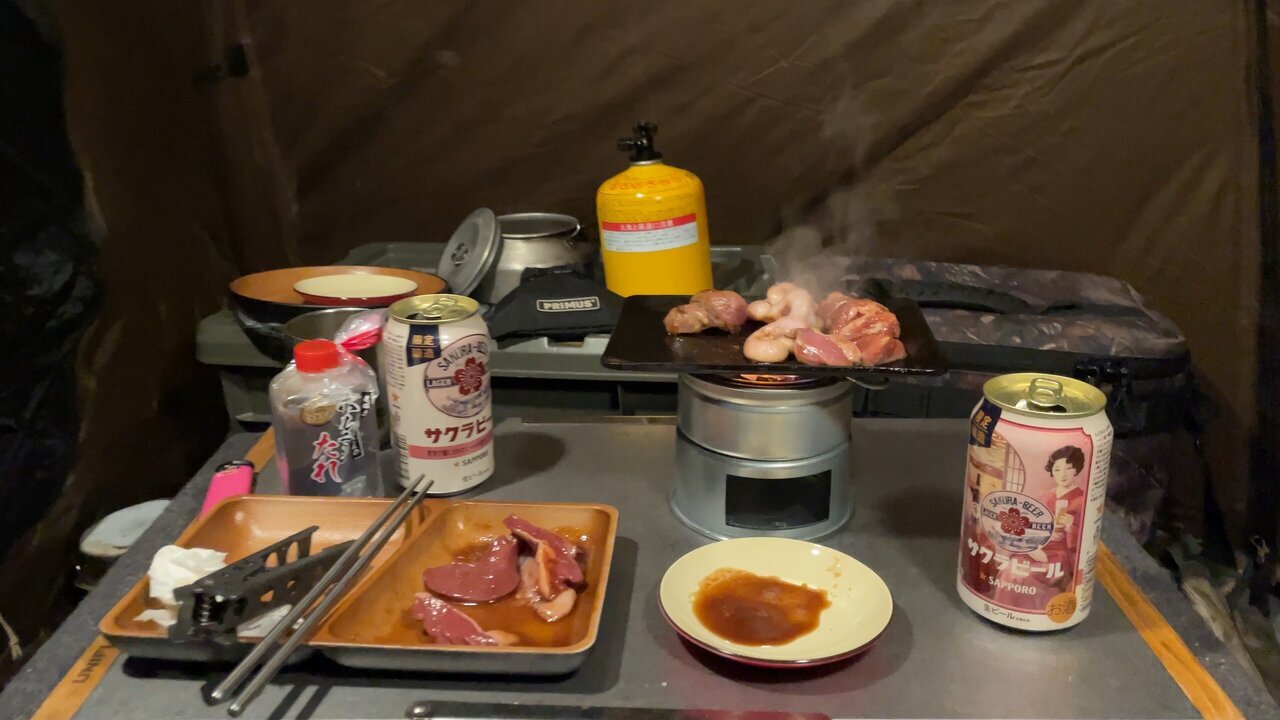
For dinner that night, I made grilled hormone using solid fuel. It was very comfortable to enjoy a delicious meal on the warm kotatsu without having to move. Experiencing the sense of security and openness of a cocooning camp style, I might find it hard to return to other camping styles.
Wearing cold weather gear makes it comfortable even in low temperatures
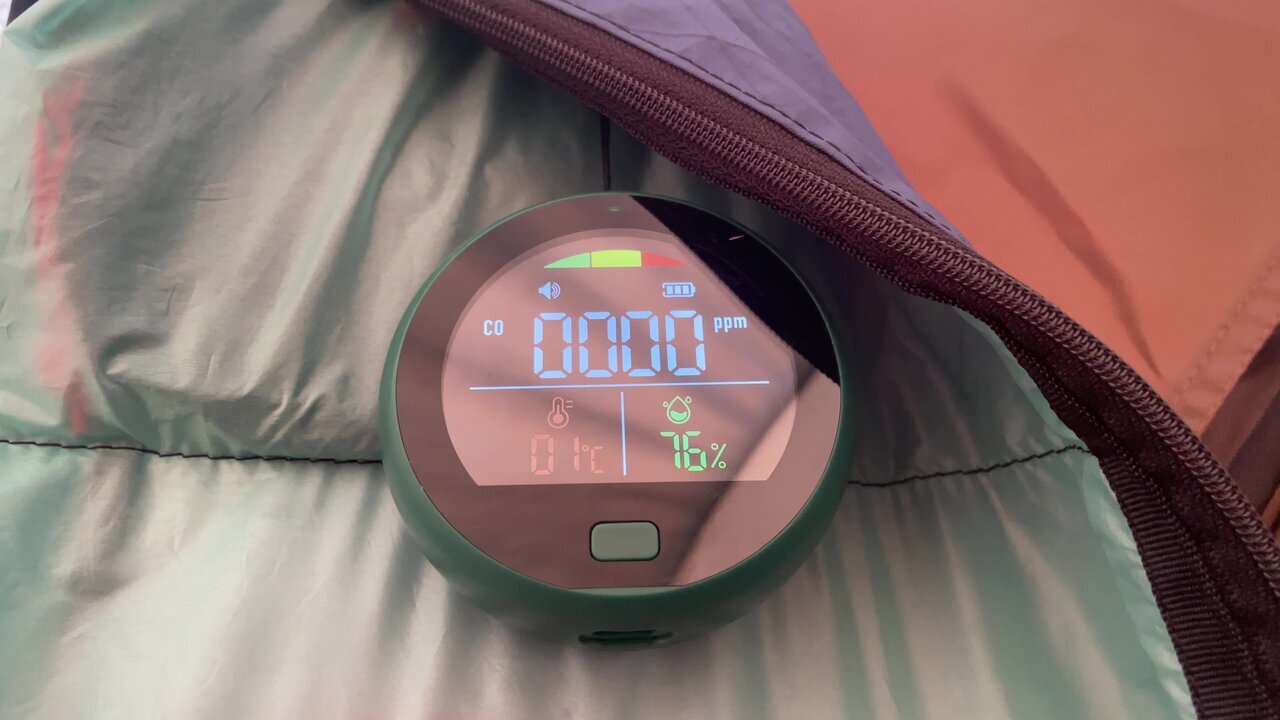
The outdoor temperature the next morning was -1℃. Thanks to the cold weather and safety measures, I was able to wake up very comfortably in a warm tent the whole time. I left the small charcoal kotatsu with the air hole closed from the night before, but the carbon monoxide checker did not sound an alarm.
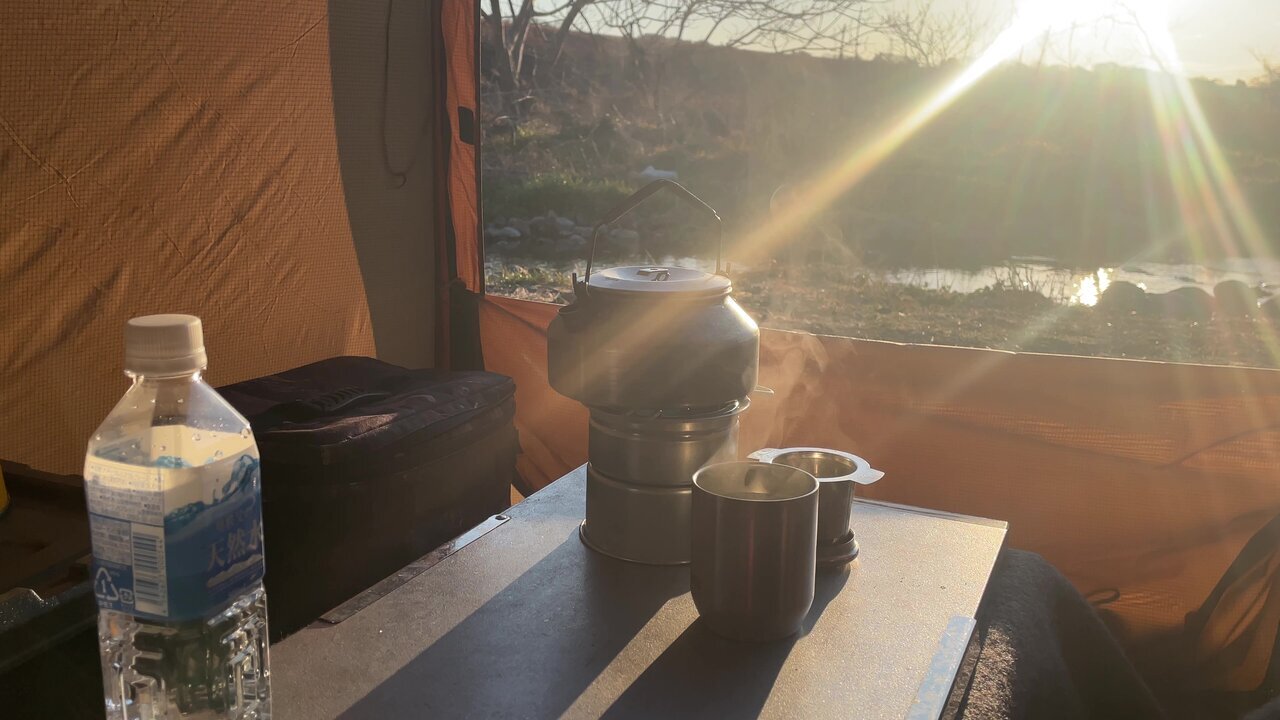
On the morning of the camp, the joy of being able to get into the kotatsu right away. This is something only experienced with this camping style. I was able to bask in the morning sun more than usual and enjoy tea slowly. Since the tent seems to offer many new ways to have fun, I would like to continue enjoying camping even more from now on.
Interview and text by Kazuma Tanaka
- SHARE


![[Scenic Hidden Gem] Enjoyed a scenic bath camping experience at Shizuoka's solo-exclusive "Cloud Viewing Sunset and Sound of Waves Cape Auto Campsite"](https://cdn.clipkit.co/tenants/1046/articles/images/000/025/727/large/bfb0305e-44a2-4829-be3d-d831078101ba.jpg?1759698244)
![[Autumn Camping] Getting ready for autumn with homemade smoked salmon & whiskey! On-site tasting edition at the campground](https://cdn.clipkit.co/tenants/1046/articles/images/000/025/190/large/e8ddeb6b-2177-4c29-9e86-30deb7053199.jpg?1757279057)


![[Midnight Drive] I wanted to cool off a bit, so I went for an adult night stroll at the retro vending machine corner in Sagamihara.](https://cdn.clipkit.co/tenants/1046/articles/images/000/032/887/large/a1bf17cd-06d0-4ad5-8236-8fd2970728e5.jpg?1787522426)
![[Interview] Bongo Brownie ✕ VAN LIVING What is the concept of living space that can be enjoyed with simple DIY?](https://cdn.clipkit.co/tenants/1046/articles/images/000/029/348/large/1669c7fe-4dba-4cc5-b0a3-7defa56bc0c0.jpg?1774904732)

 FASHION
 OUTDOOR
 WATCH
WATCH CAR & BIKE
 SNAP
SNAP DINING
 LIFE
LIFE GADGET
 GOLF
GOLF