
LIFE
2026.04.22
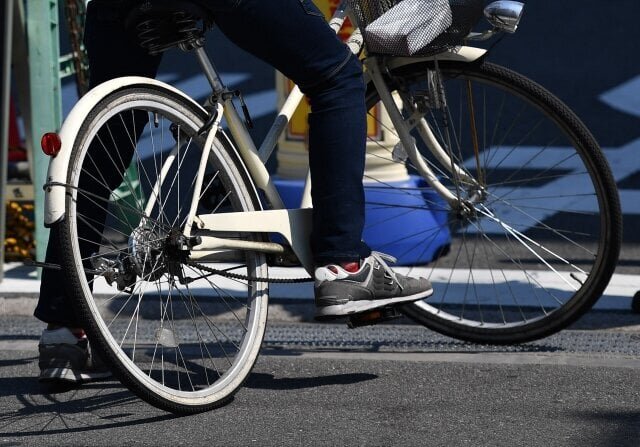
Where are the borderlines for sidewalks and riding against traffic? Since April, I checked whether bicycle blue tickets are violations or acceptable.
I have organized the frequently committed violations and rules associated with the bicycle blue ticket system introduced in April 2026, based on common questions and concerns.
Bicycle rules, what has changed?
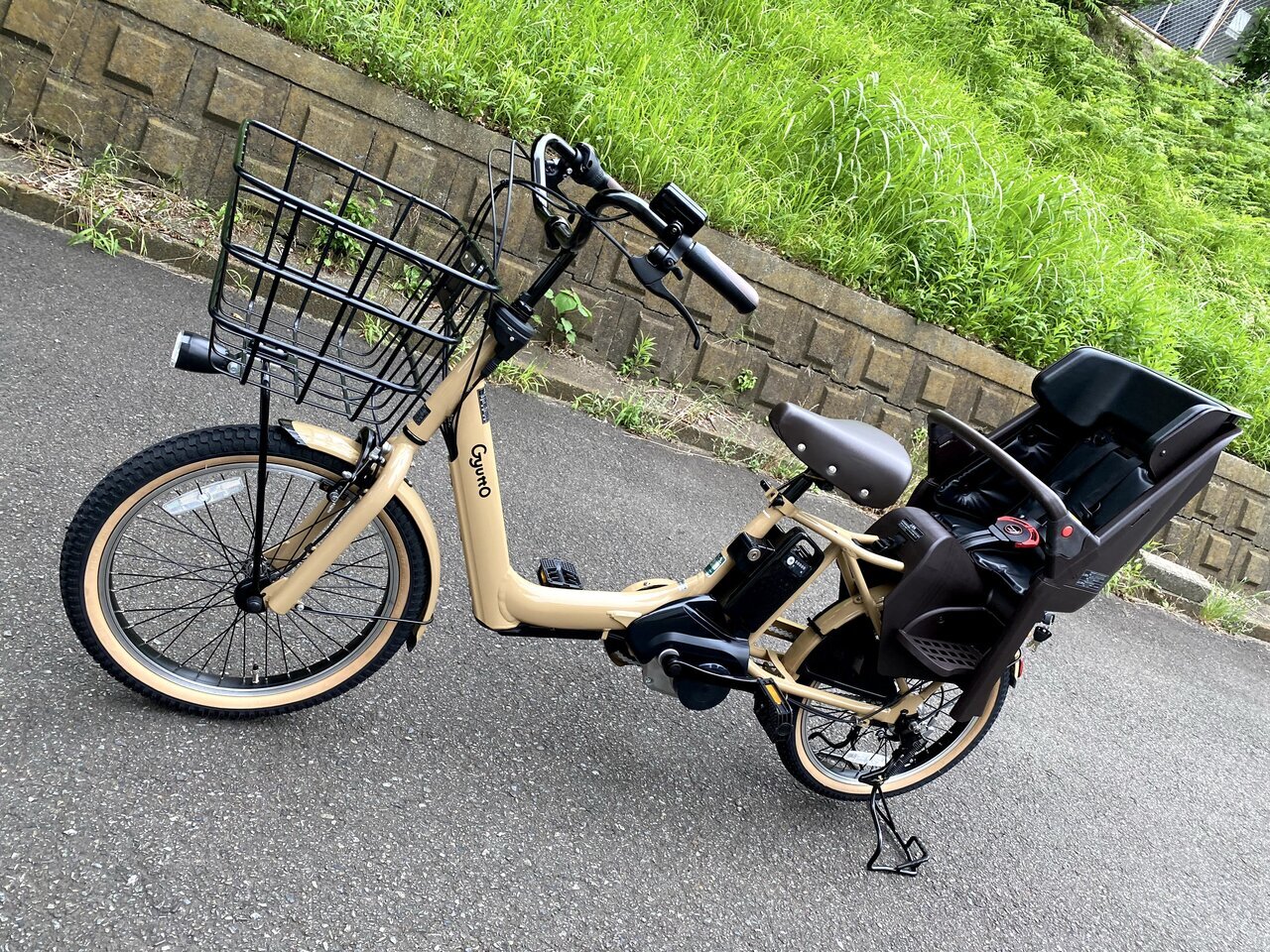
Morning commutes and casual shopping. Bicycles that we use without much thought will have new riding rules starting in April 2026. For those aged 16 and older, a "Traffic Violation Ticket System" (blue ticket) will be introduced, and fines will be imposed for violations.
To be honest, there are quite a few situations where one might think, "Wait, is that also not allowed?" Therefore, I explored the boundary lines based on points that raised questions for me.
What is the borderline for using smartphones while doing other things?
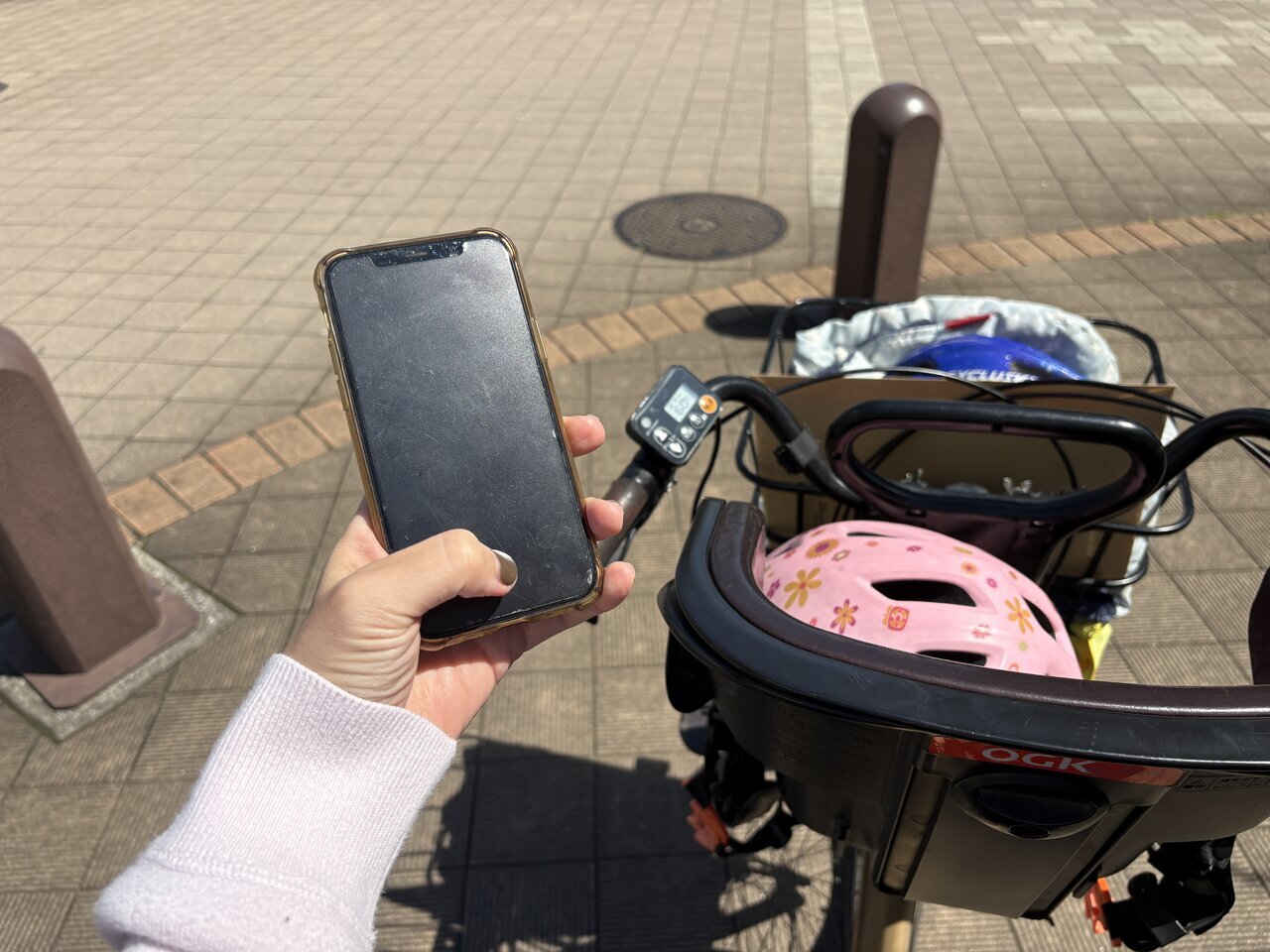
Driving while looking at your smartphone is obviously out of the question. However, there are times when you might feel compelled to pick up your phone while on the move. Checking a map or looking at notifications while driving is considered distracted driving and is against the law, but understanding the following points may make the situation less intimidating.
Starting in April 2026, if drivers aged 16 and over engage in this behavior, they will be subject to a blue ticket, and if deemed malicious or dangerous, a fine of 12,000 yen will be imposed.
NG (Violation)
- Simply holding a smartphone while driving constitutes a violation, regardless of the reason or time (fine of 12,000 yen).
- Even if the smartphone is fixed in a holder, focusing on the screen while driving is considered NG.
- If using a smartphone causes pedestrians to stop or other vehicles to brake suddenly, it may result in a red ticket (criminal proceedings).
OK (Not a violation)
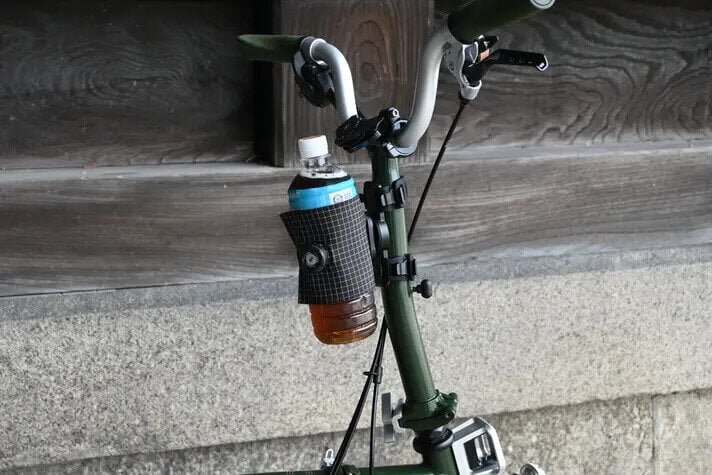
- Fixing or attaching a smartphone to a holder is not a violation.
- Using navigation solely with voice guidance without looking at the screen.
- Operating a smartphone while completely stopped (not subject to enforcement while stationary).
There is no clear regulation for "how many seconds" of attention is considered a violation; if a police officer judges it dangerous, it will be subject to enforcement. Additionally, when driving at 20 km/h, a vehicle moves over 15 meters in 3 seconds. Please use this distance as a reference for how long your eyes should be away from the screen.
- Simply holding a smartphone while driving constitutes a violation, regardless of the reason or time (fine of 12,000 yen).
- Even if the smartphone is fixed in a holder, focusing on the screen while driving is considered NG.
- If using a smartphone causes pedestrians to stop or other vehicles to brake suddenly, it may result in a red ticket (criminal proceedings).
OK (Not a violation)
- Fixing or attaching a smartphone to a holder is not a violation.
- Using navigation solely with voice guidance without looking at the screen.
- Operating a smartphone while completely stopped (not subject to enforcement while stationary).
There is no clear regulation for "how many seconds" of attention is considered a violation; if a police officer judges it dangerous, it will be subject to enforcement. Additionally, when driving at 20 km/h, a vehicle moves over 15 meters in 3 seconds. Please use this distance as a reference for how long your eyes should be away from the screen.
What is the border line for running on the sidewalk?
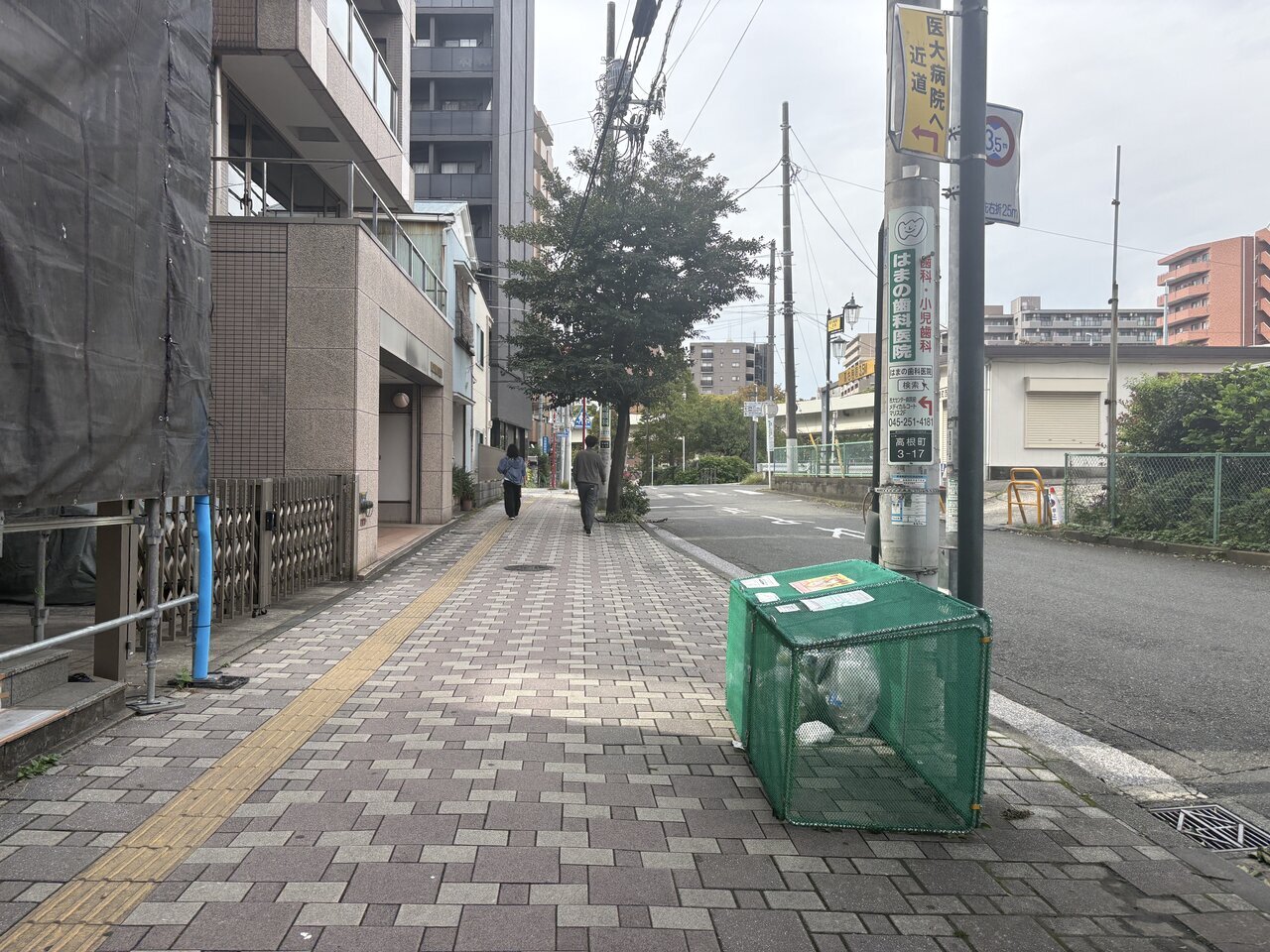
The author was most confused about sidewalk traffic. In principle, I knew that bicycles should run on the roadway, but I was once again confronted with the fact that sidewalks are not permitted under the new blue ticket system.
However, there seem to be exceptional cases where you can ride on the sidewalk. For example, when there is a sign that states "Ordinary bicycles allowed on the sidewalk", or when the rider is a child, elderly person, or someone with a disability. Furthermore, it seems that riding on the sidewalk is also permitted in "unavoidable situations" such as heavy traffic.
However, there seem to be exceptional cases where you can ride on the sidewalk. For example, when there is a sign that states "Ordinary bicycles allowed on the sidewalk", or when the rider is a child, elderly person, or someone with a disability. Furthermore, it seems that riding on the sidewalk is also permitted in "unavoidable situations" such as heavy traffic.
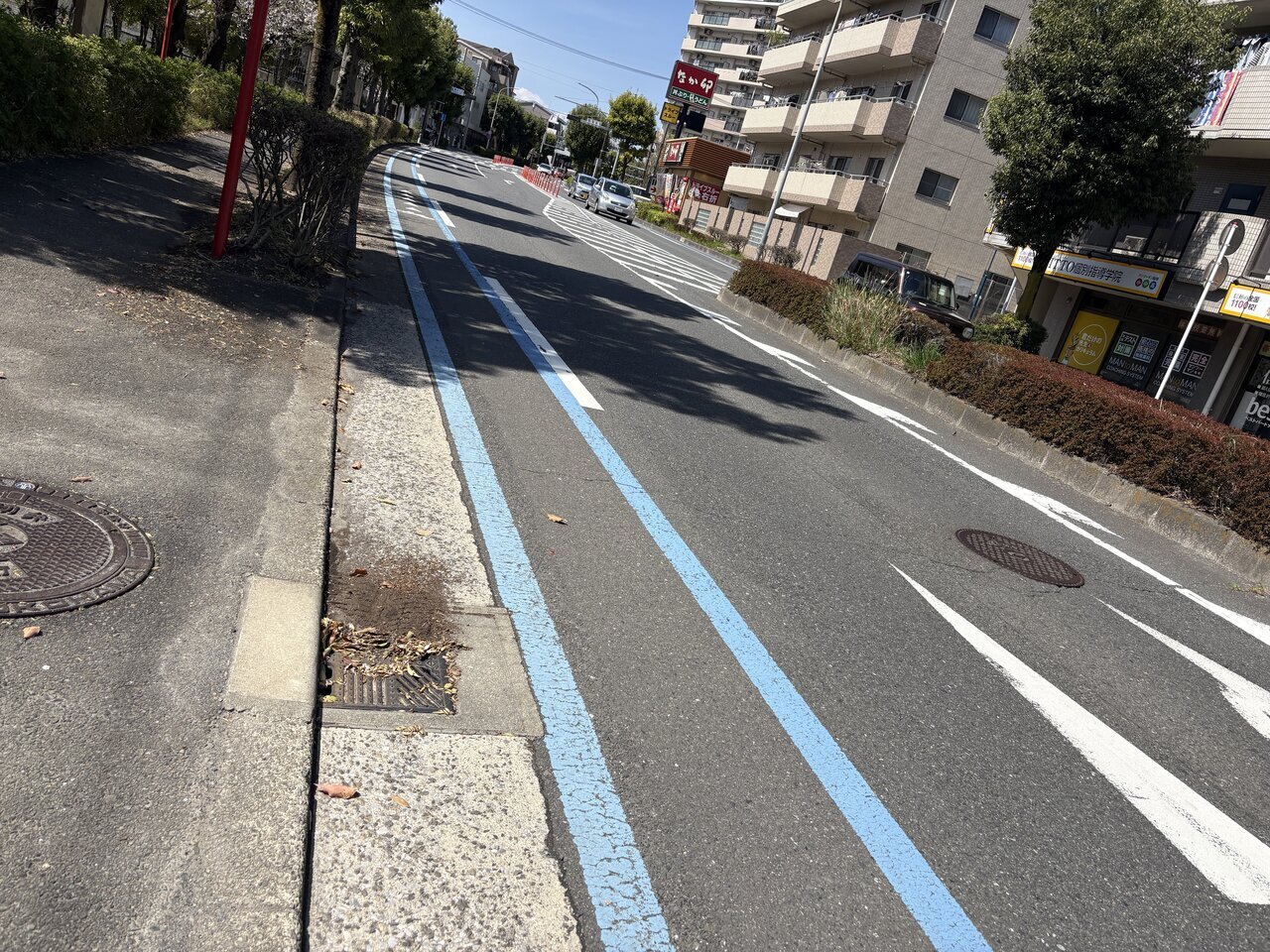
It is not permitted to run freely on the sidewalk; the rule is to ride slowly (at a speed where you can stop immediately) close to the roadway. And if it obstructs pedestrians, the cyclist must come to a complete stop. In other words, the sidewalk is primarily a path for pedestrians. I honestly did not know that there were such clear rules regarding the way I had been riding based on my instincts until now, but if they are not followed, there is a possibility of receiving a blue ticket.
NG (Violation)
・If there is actual danger, such as pedestrians stopping, it will be subject to a blue ticket (according to government public relations online).
Rules to Follow When Riding on the Sidewalk
・Ride slowly on the roadway side (at a speed where you can stop immediately).
・Come to a stop if it obstructs pedestrian traffic (the bicycle must stop).
OK (Conditions for Riding on the Sidewalk)
・There is a sign or indication that allows "ordinary bicycles on the sidewalk."
・The rider is under 13 years old, over 70 years old, or has a disability.
・In "unavoidable situations" such as ongoing road construction or significantly high traffic volume.
・Even if speed is generated on the sidewalk, if it is determined that the danger is low, it often results in just a warning.
The sidewalk is not a "place where it is okay to run," but rather a "place that can be used in exceptional circumstances." In principle, it is NG if there are no signs, and even if it is permissible to ride, you must adhere to the pedestrian priority rules to avoid violations.
・If there is actual danger, such as pedestrians stopping, it will be subject to a blue ticket (according to government public relations online).
Rules to Follow When Riding on the Sidewalk
・Ride slowly on the roadway side (at a speed where you can stop immediately).
・Come to a stop if it obstructs pedestrian traffic (the bicycle must stop).
OK (Conditions for Riding on the Sidewalk)
・There is a sign or indication that allows "ordinary bicycles on the sidewalk."
・The rider is under 13 years old, over 70 years old, or has a disability.
・In "unavoidable situations" such as ongoing road construction or significantly high traffic volume.
・Even if speed is generated on the sidewalk, if it is determined that the danger is low, it often results in just a warning.
The sidewalk is not a "place where it is okay to run," but rather a "place that can be used in exceptional circumstances." In principle, it is NG if there are no signs, and even if it is permissible to ride, you must adhere to the pedestrian priority rules to avoid violations.
What is the border line for riding in the opposite direction?
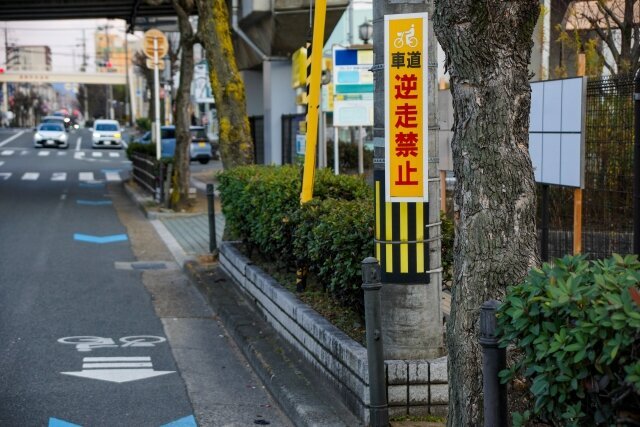
Isn't there a time when you accidentally ride in the wrong direction? Bicycles are classified as "light vehicles" under traffic laws, and just like cars, they are required to follow one-way streets and ride on the left side. This means riding against the traffic is not just a matter of etiquette but a violation of the law. Currently, riding in the wrong direction (on the right side) is also subject to a blue ticket. The fine is 6,000 yen, and it applies to those 16 years and older.
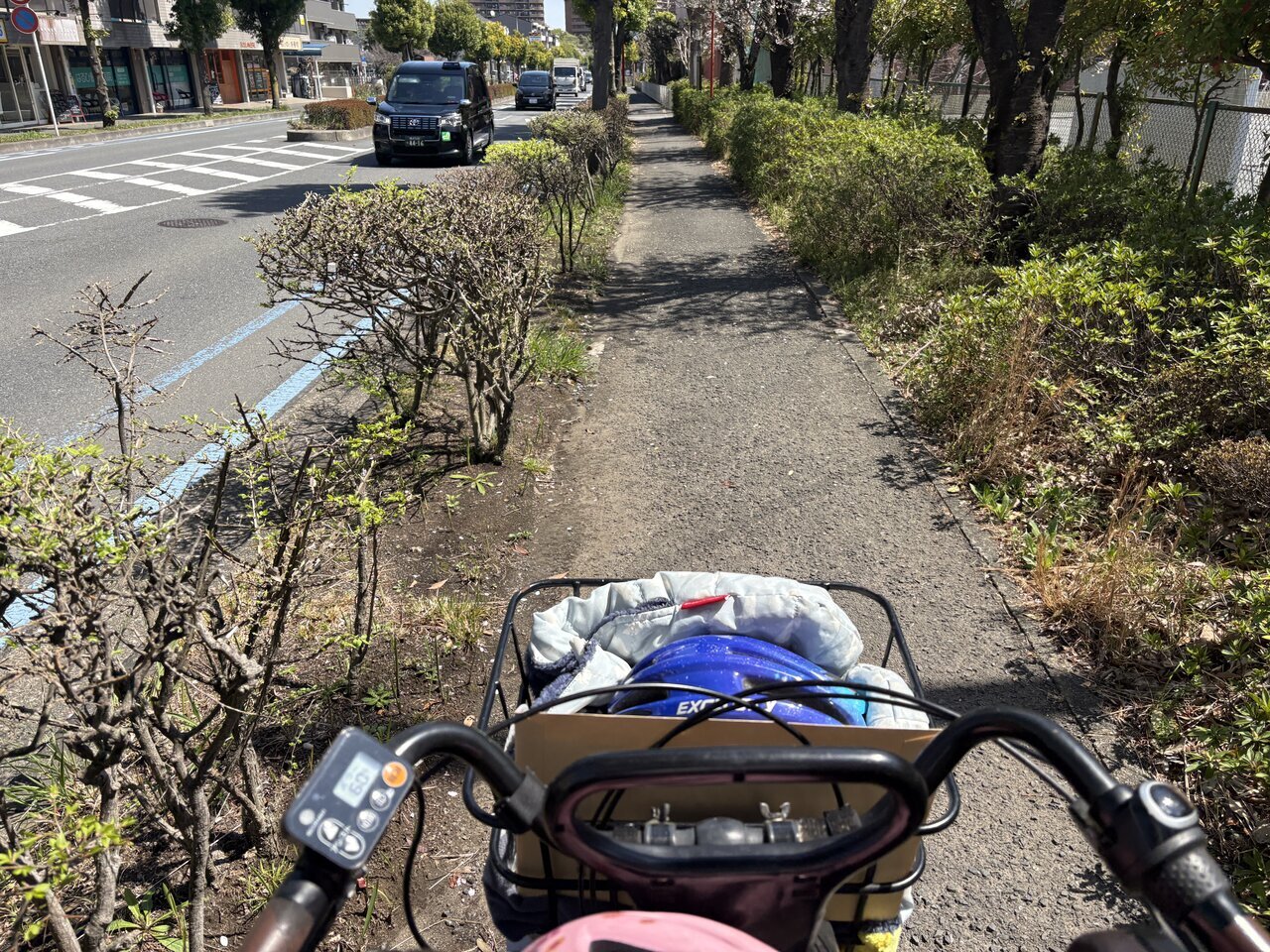
However, the tricky part is the sidewalks on major roads that have four lanes in one direction. If you want to turn right ahead, you'll inevitably feel the urge to run on the sidewalk. The key point is that there is no established direction of travel on the sidewalk. In other words, although the principle is to use the roadway, if you have no choice but to use the sidewalk, it may be difficult and interpretations could vary depending on the situation.
NG (Violation)
- Riding on the right side of the road (opposite lane). This is a violation regardless of distance or time (fine of 6000 yen).
- Driving against the flow on a one-way street. No exceptions for "just a little bit" or "only a few meters."
OK (Cases where riding in the opposite direction is allowed)
- On a one-way street, if there is a supplementary sign stating "excluding bicycles," two-way traffic may be permitted (always check the signs).
- If it is unavoidable to proceed slowly on the right sidewalk of the right lane.
On busy main roads, bicycles are required to ride on the left side of the road. However, when wanting to turn right at intersections without traffic lights, the order is first to use the left sidewalk of the left lane, and then the right sidewalk of the right lane. Whether or not this results in a blue ticket will depend on the situation.
- Riding on the right side of the road (opposite lane). This is a violation regardless of distance or time (fine of 6000 yen).
- Driving against the flow on a one-way street. No exceptions for "just a little bit" or "only a few meters."
OK (Cases where riding in the opposite direction is allowed)
- On a one-way street, if there is a supplementary sign stating "excluding bicycles," two-way traffic may be permitted (always check the signs).
- If it is unavoidable to proceed slowly on the right sidewalk of the right lane.
On busy main roads, bicycles are required to ride on the left side of the road. However, when wanting to turn right at intersections without traffic lights, the order is first to use the left sidewalk of the left lane, and then the right sidewalk of the right lane. Whether or not this results in a blue ticket will depend on the situation.
What is the border line for stopping?
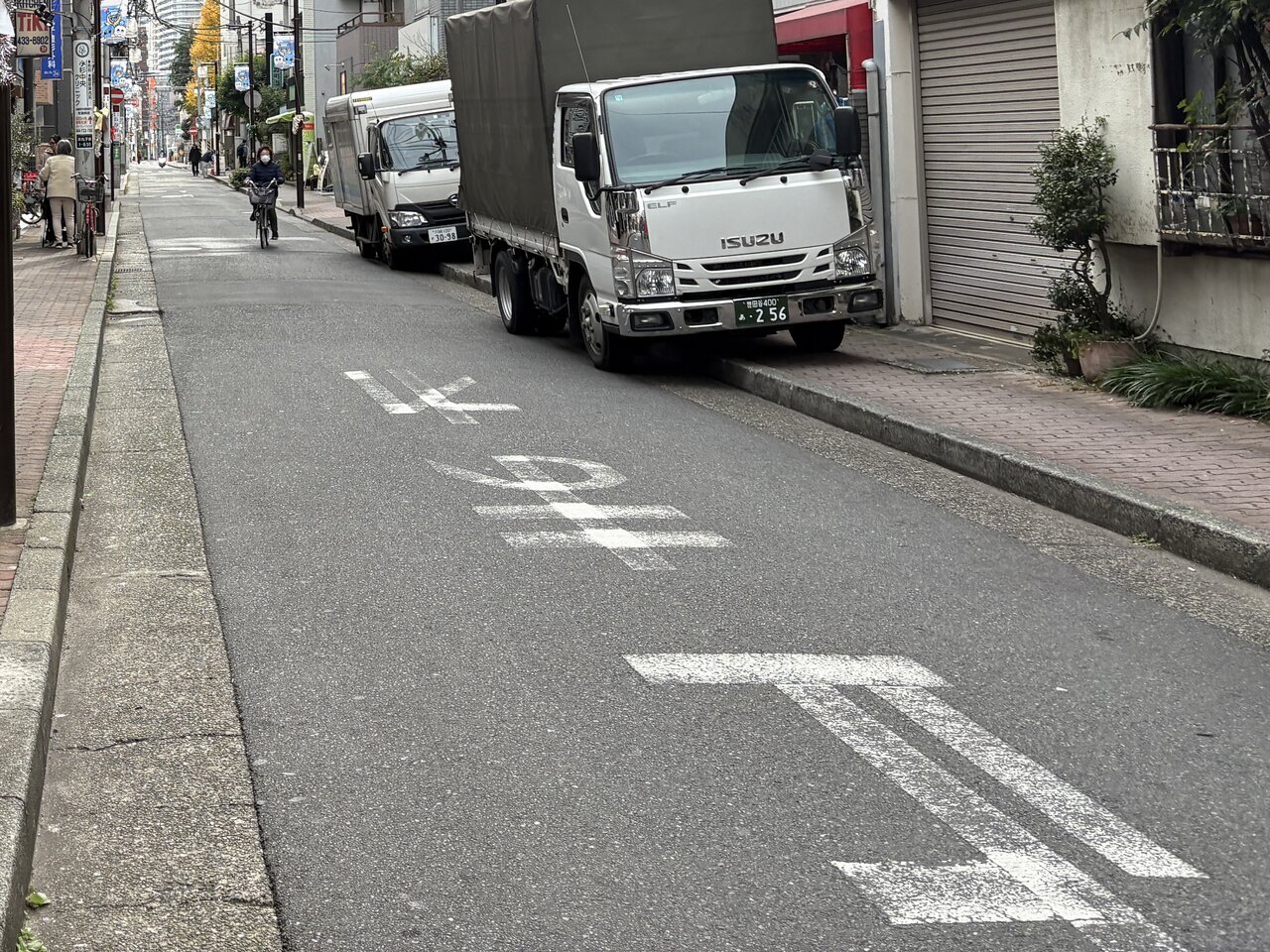
When riding a bicycle, one might inadvertently continue without stopping. At places with signs and markings, it is mandatory to stop regardless of visibility. Failure to comply may result in a fine of 5,000 yen. The perception has shifted from "stop if it's dangerous" to "always stop if there is a sign or marking," but in reality, there have always been strict rules in place.
The reason for the increased rigor is that many bicycle accidents occur at intersections, with factors like "failure to stop at a stop sign" and "lack of safety checks" commonly cited as causes. In other words, stopping at a stop sign is not a mere formality, but one of the most important actions to prevent accidents. Currently, if it is judged that there is a high risk, a traffic ticket may be issued on the spot.
NG (Violation)
・Passing through without stopping at a stop sign or marking (Fine of 5000 yen).
・Only slowing down (crawling) without coming to a complete stop.
OK (Correct Stopping Method)
・The wheels must be completely stopped.
・After stopping, check safety on the left, right, and front before starting again.
There is no gray area here. Let's be aware that just because visibility is good doesn't mean it's safe to judge on your own and that slowing down ≠ stopping completely.
・Passing through without stopping at a stop sign or marking (Fine of 5000 yen).
・Only slowing down (crawling) without coming to a complete stop.
OK (Correct Stopping Method)
・The wheels must be completely stopped.
・After stopping, check safety on the left, right, and front before starting again.
There is no gray area here. Let's be aware that just because visibility is good doesn't mean it's safe to judge on your own and that slowing down ≠ stopping completely.
Earphones and Umbrella Usage Borderline
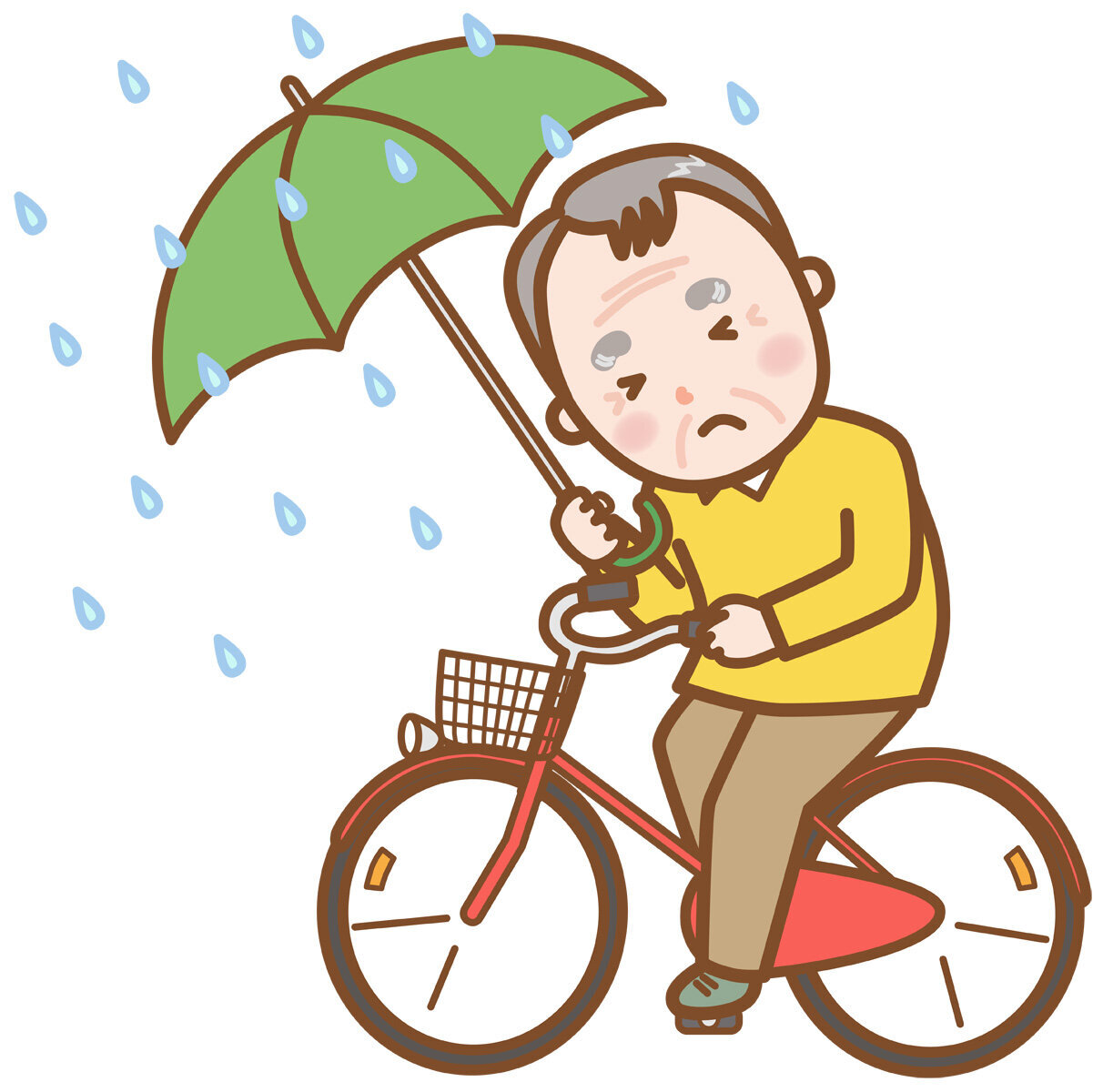
This is surprisingly ambiguous too. Riding with an umbrella open on rainy days or moving while listening to music through headphones. I think many people do this regularly.
However, such actions may be treated as "violations of safe driving obligations." This is because being unable to hear surrounding sounds or driving with one hand can be deemed dangerous driving even on a bicycle.
However, such actions may be treated as "violations of safe driving obligations." This is because being unable to hear surrounding sounds or driving with one hand can be deemed dangerous driving even on a bicycle.
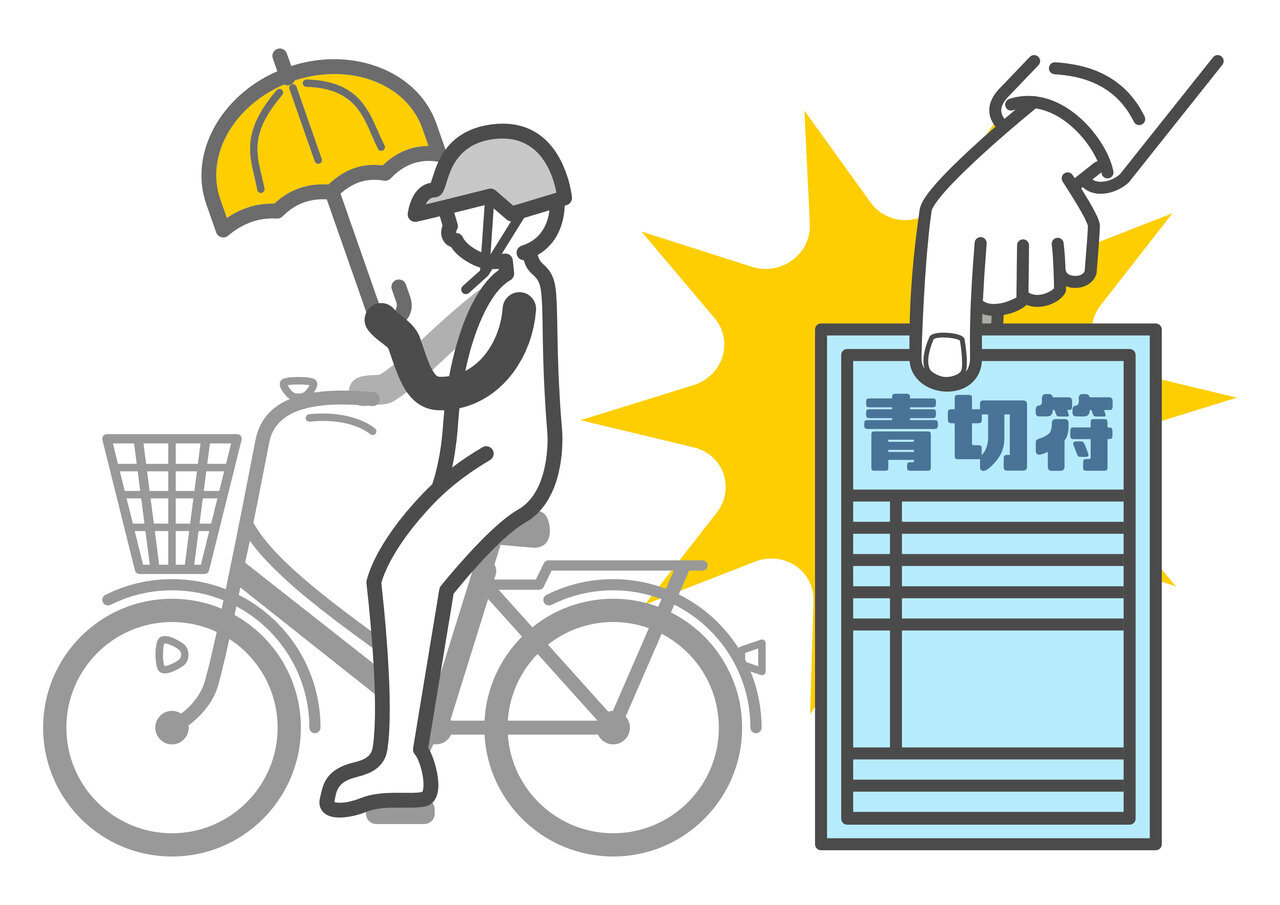
Currently, if a driver aged 16 or older engages in such behavior and is deemed malicious or dangerous by a police officer, they may be subject to a blue ticket.
It is characterized not by "doing this is an immediate violation" but rather judged based on whether the situation is safe. Furthermore, repeated violations may lead to being subjected to bicycle driver training. Actions that were previously considered within the bounds of acceptability now seem to be viewed under the same standards, since bicycles are treated as "part of traffic."
It is characterized not by "doing this is an immediate violation" but rather judged based on whether the situation is safe. Furthermore, repeated violations may lead to being subjected to bicycle driver training. Actions that were previously considered within the bounds of acceptability now seem to be viewed under the same standards, since bicycles are treated as "part of traffic."
【Earphones】
NG (Violation)
・Driving while wearing earphones such that ambient sounds cannot be heard. Prohibited in all prefectures (Fine of 5000 yen)
Conditionally OK
・Bone conduction earphones or open-ear type earphones: "as long as they do not completely block the user's ear when worn, they are not considered a violation as long as necessary sounds or voices for safe driving can be heard."
・Single ear earphones: they do not immediately constitute a violation if surrounding sounds can be heard sufficiently.
Gray Area (Caution)
・With open-ear or bone conduction earphones, it is NG if the volume is raised too high and the voice of a police officer or emergency vehicles cannot be noticed.
・The standard of judgment is not the "type of earphones" but rather "whether surrounding sounds can be heard."
NG (Violation)
・Driving while wearing earphones such that ambient sounds cannot be heard. Prohibited in all prefectures (Fine of 5000 yen)
Conditionally OK
・Bone conduction earphones or open-ear type earphones: "as long as they do not completely block the user's ear when worn, they are not considered a violation as long as necessary sounds or voices for safe driving can be heard."
・Single ear earphones: they do not immediately constitute a violation if surrounding sounds can be heard sufficiently.
Gray Area (Caution)
・With open-ear or bone conduction earphones, it is NG if the volume is raised too high and the voice of a police officer or emergency vehicles cannot be noticed.
・The standard of judgment is not the "type of earphones" but rather "whether surrounding sounds can be heard."
【Umbrella Usage】
NG (It will be a violation)
・Riding while holding an umbrella with one hand. This constitutes one-handed operation and violates the obligation for safe driving (penalty of 5000 yen).
OK (Alternative measure on rainy days)
・Wearing rain gear (raincoat or poncho)
・Using a handle cover
Gray Area (Caution required)
・Using an umbrella stand or handle umbrella holder: There are no clear prohibitions in the Police Agency rulebook, but it is considered "gray," and there are cases where it is prohibited by local ordinances (for example: Kyoto Prefecture). Additionally, if the umbrella obstructs the view, it may be judged as "dangerous driving."
Using an umbrella stand cannot be definitively classified as "OK." It's necessary to check local ordinances. On rainy days, rain gear is the safest choice.
NG (It will be a violation)
・Riding while holding an umbrella with one hand. This constitutes one-handed operation and violates the obligation for safe driving (penalty of 5000 yen).
OK (Alternative measure on rainy days)
・Wearing rain gear (raincoat or poncho)
・Using a handle cover
Gray Area (Caution required)
・Using an umbrella stand or handle umbrella holder: There are no clear prohibitions in the Police Agency rulebook, but it is considered "gray," and there are cases where it is prohibited by local ordinances (for example: Kyoto Prefecture). Additionally, if the umbrella obstructs the view, it may be judged as "dangerous driving."
Using an umbrella stand cannot be definitively classified as "OK." It's necessary to check local ordinances. On rainy days, rain gear is the safest choice.
Will I get fined immediately?

Basically, it is often the case that guidance or warnings are given first. However, if the danger is high or it is deemed malicious, a blue ticket may be issued on the spot. Even with a "light-hearted" attitude, there is a possibility that it will be treated as an immediate violation.
What happens if I violate multiple times?

Repeated violations will make you subject to "bicycle rider training." Furthermore, if you do not comply with the instruction to attend, you may be fined up to 50,000 yen.
Just once is generally okay; rather, it's a system where accumulation poses a risk.
Just once is generally okay; rather, it's a system where accumulation poses a risk.
The new blue ticket for bicycles means that it is no longer acceptable to say you didn't know about the rules
and that even minor violations or ignorance of the violations themselves are no longer an excuse. What I felt through this new system is that the positioning of bicycles has greatly changed. We are now in an era where bicycles are treated as vehicles that require stricter rules to prevent serious accidents.
These changes are not just for cracking down on violations but also for protecting one's own safety. Because we are in an era where you can no longer claim ignorance, it might be a good time to reassess how we interact with bicycles.
Just a slight change in consciousness can transform daily commutes into smoother and more comfortable experiences.
Interview and text / SYURI
Just a slight change in consciousness can transform daily commutes into smoother and more comfortable experiences.
Interview and text / SYURI
- SHARE






![[Furniture Maintenance] I revived a dining table that had been used for many years by sanding and polishing it with DIY techniques.](https://cdn.clipkit.co/tenants/1046/articles/images/000/033/817/large/23a78acc-94a9-4824-b112-a77327d420fc.jpg?1789938162)





![[Midnight Drive] I wanted to cool off a bit, so I went for an adult night stroll at the retro vending machine corner in Sagamihara.](https://cdn.clipkit.co/tenants/1046/articles/images/000/032/887/large/a1bf17cd-06d0-4ad5-8236-8fd2970728e5.jpg?1787522426)

![[Interview] Bongo Brownie ✕ VAN LIVING What is the concept of living space that can be enjoyed with simple DIY?](https://cdn.clipkit.co/tenants/1046/articles/images/000/029/348/large/1669c7fe-4dba-4cc5-b0a3-7defa56bc0c0.jpg?1774904732)


 FASHION
 OUTDOOR
 WATCH
WATCH CAR & BIKE
 SNAP
SNAP DINING
 LIFE
LIFE GADGET
 GOLF
GOLF