

OUTDOOR
2026.05.24
I learned from using Daiso's "Photochromic Sunglasses" the differences and distinctions from Workman's "Polarized Sports Glasses"
I tried Daiso's photochromic sunglasses (220 yen). I decided to compare the differences with Workman's "Polarized Sports Glasses," including the scenes in which I want to use each, based on my experiences.
I want to try the super cheap 220 yen photochromic sunglasses
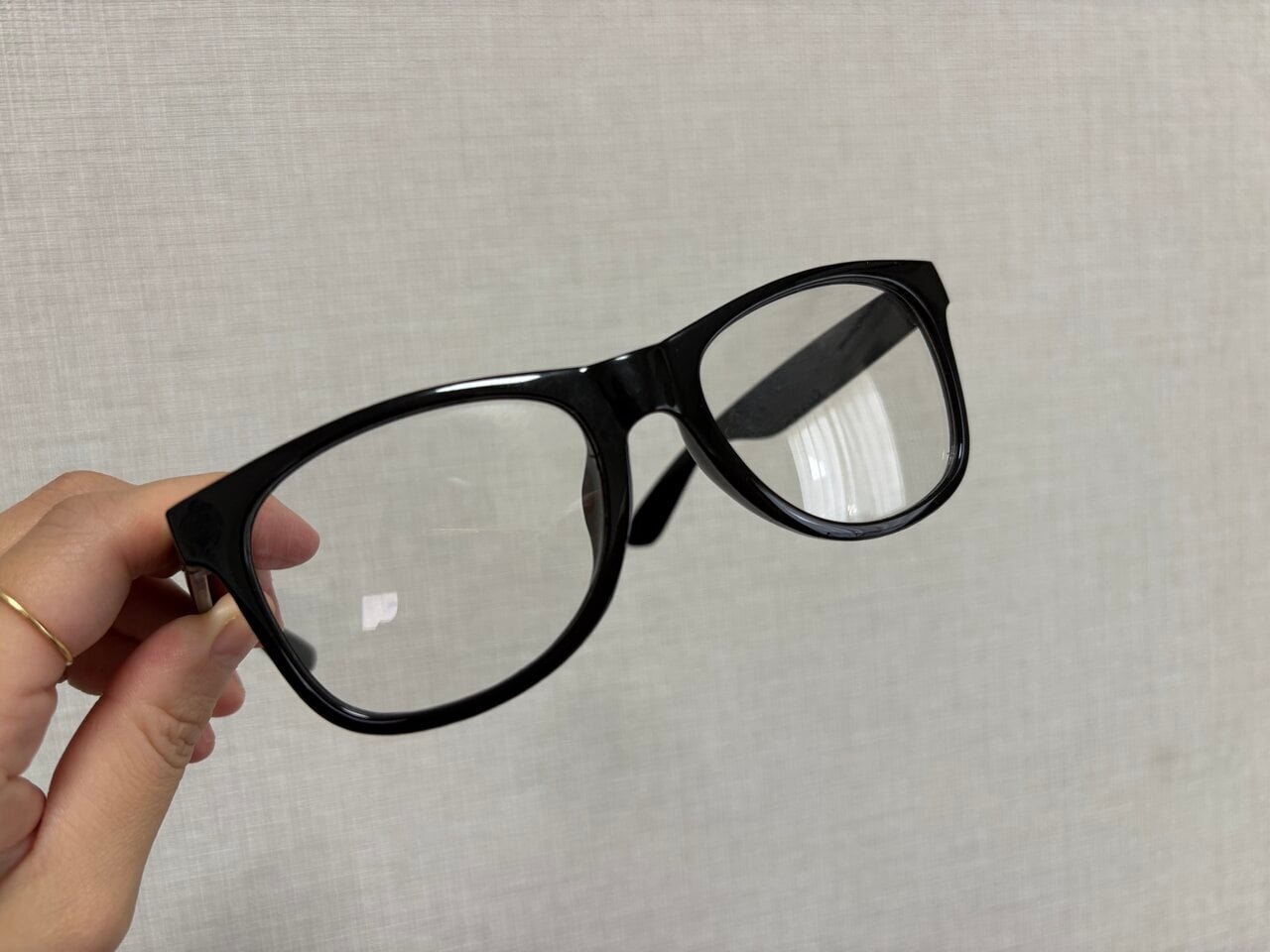
When I went to Daiso to look for outdoor play equipment for children, I accidentally found the 220 yen photochromic sunglasses in the sunglasses section. I thought I would like to try them since the lenses change color according to the light, so I bought a pair.
Previously, I had tried the "polarized sports glasses" for 980 yen at Workman while driving. I was also curious about the difference between photochromic and polarized lenses, so I decided to compare them.
Previously, I had tried the "polarized sports glasses" for 980 yen at Workman while driving. I was also curious about the difference between photochromic and polarized lenses, so I decided to compare them.

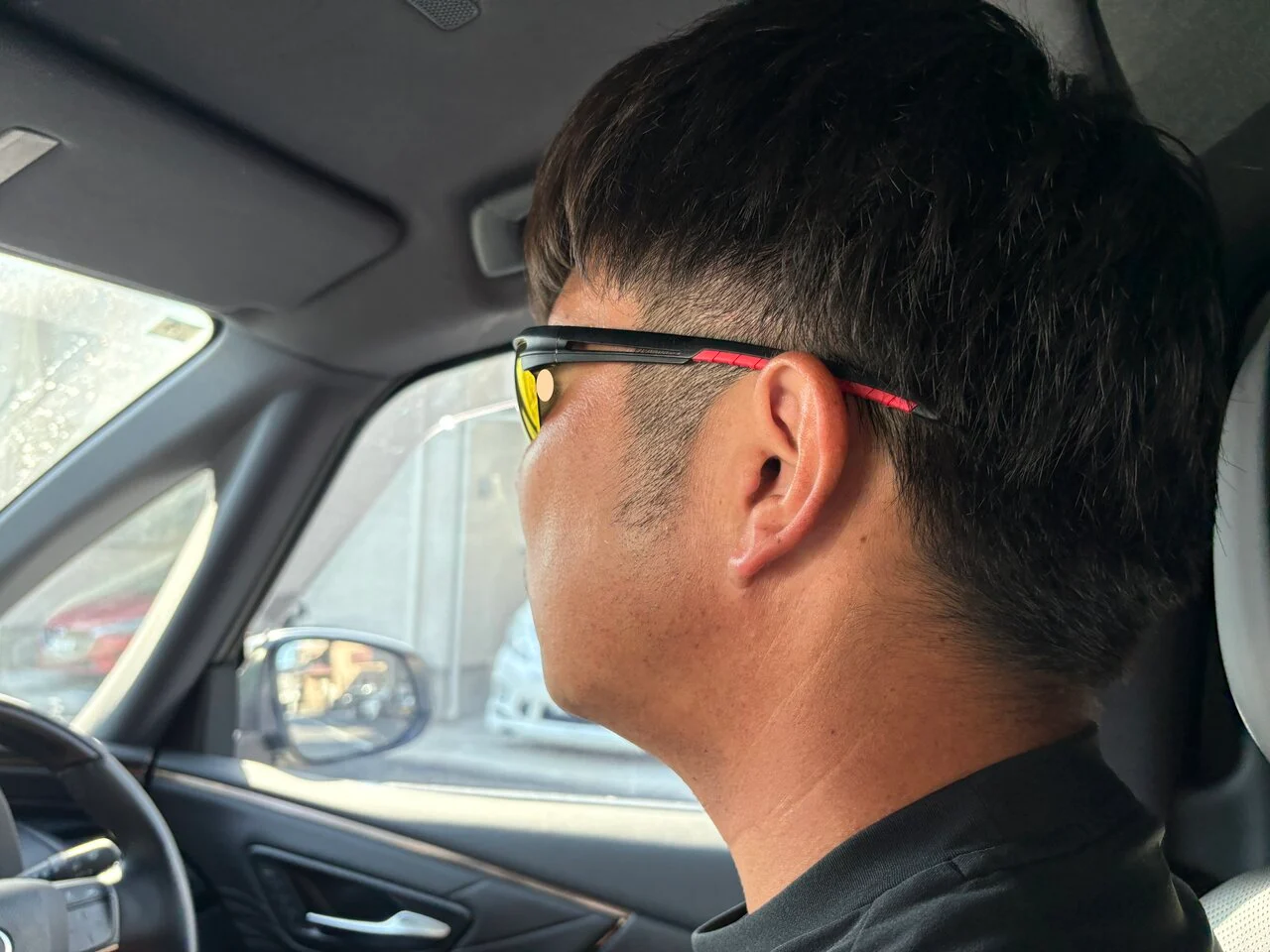
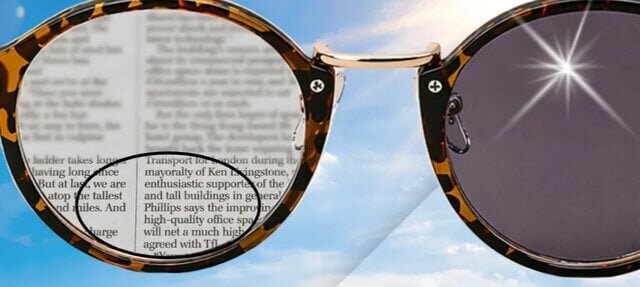
By the way, the image above is the polarized sports glasses from Workman. The polarized lenses reduce glare caused by reflections from the road and windshield, making driving more comfortable.
If polarization reduces reflections, then photochromic lenses might be the type that adapts to brightness. I honestly didn't really understand what the differences were, but I could figure them out by trying them.<
If polarization reduces reflections, then photochromic lenses might be the type that adapts to brightness. I honestly didn't really understand what the differences were, but I could figure them out by trying them.<
【偏光レンズ】ワークマンの980円のスポーツグラスはドライブで使えるか試してみた | MADURO ONLINE(マデュロオンライン)

ワークマンのスポーツグラス(980円)を週末ドライブでかけてみました。偏光レンズ+UV99%カット搭載で、この価格でも視界の変化は体感できるのか。装着前後の比較を交えて正直にレポートします。
Once I went outside, the color of the lenses changed naturally

Photochromic sunglasses change color in response to UV rays. They have relatively bright lenses indoors, but when I went outside, the color gradually got darker.
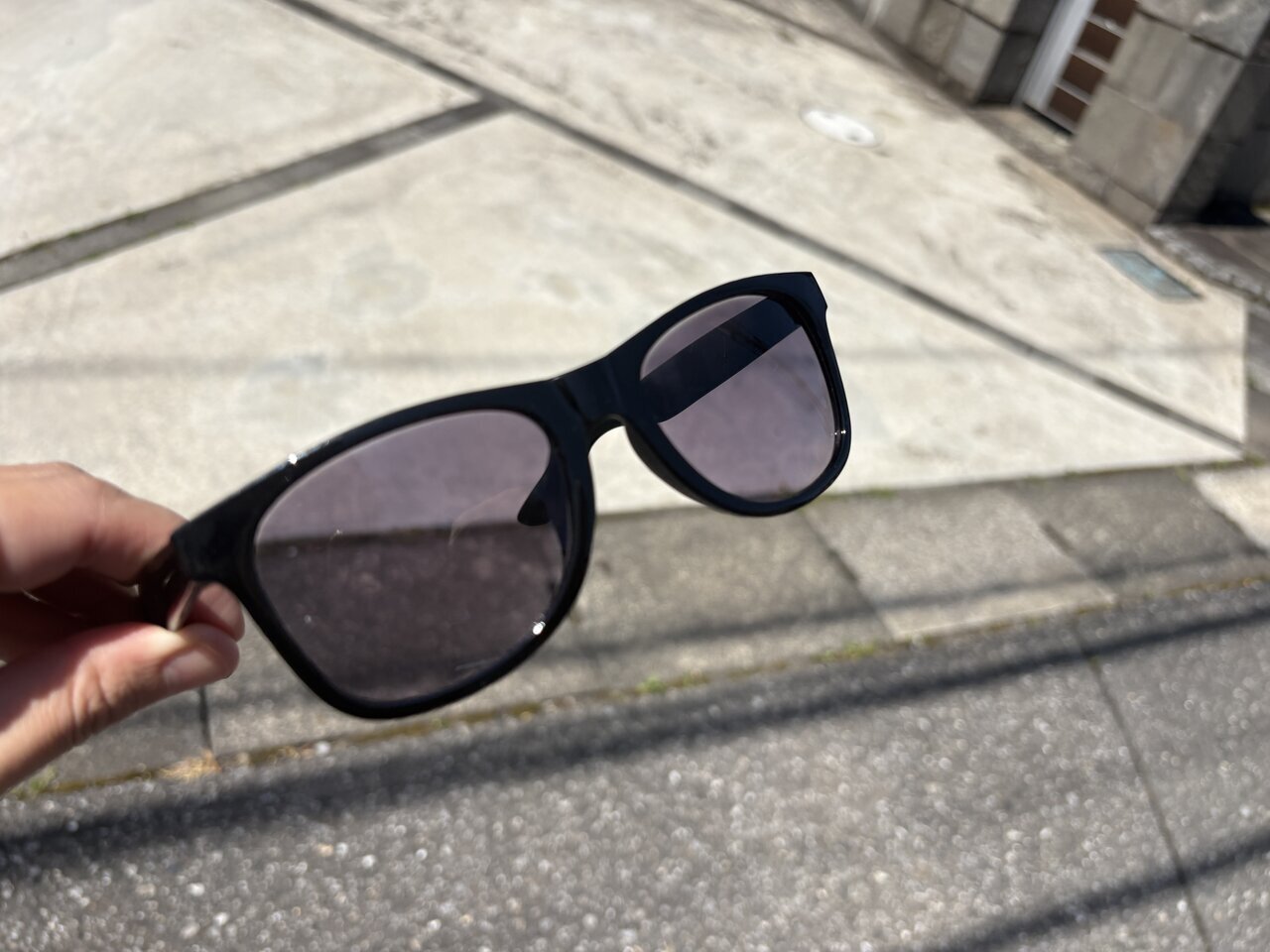
When I actually used them, the color changed to the point where I couldn't tell the moment it happened; it naturally became darker in accordance with the brightness outside.
I found it convenient when going back and forth between indoor and outdoor settings multiple times. When wearing regular dark sunglasses, there are moments when it feels dark every time I enter a store, but with photochromic lenses, the color of the lenses changes even if I keep them on. It seems more usable on a daily basis than I had anticipated. It was priced at 220 yen, but I had a sufficient experience to understand, "So this is what photochromic lenses are like."
I found it convenient when going back and forth between indoor and outdoor settings multiple times. When wearing regular dark sunglasses, there are moments when it feels dark every time I enter a store, but with photochromic lenses, the color of the lenses changes even if I keep them on. It seems more usable on a daily basis than I had anticipated. It was priced at 220 yen, but I had a sufficient experience to understand, "So this is what photochromic lenses are like."
What is the difference between photochromic and polarized lenses?
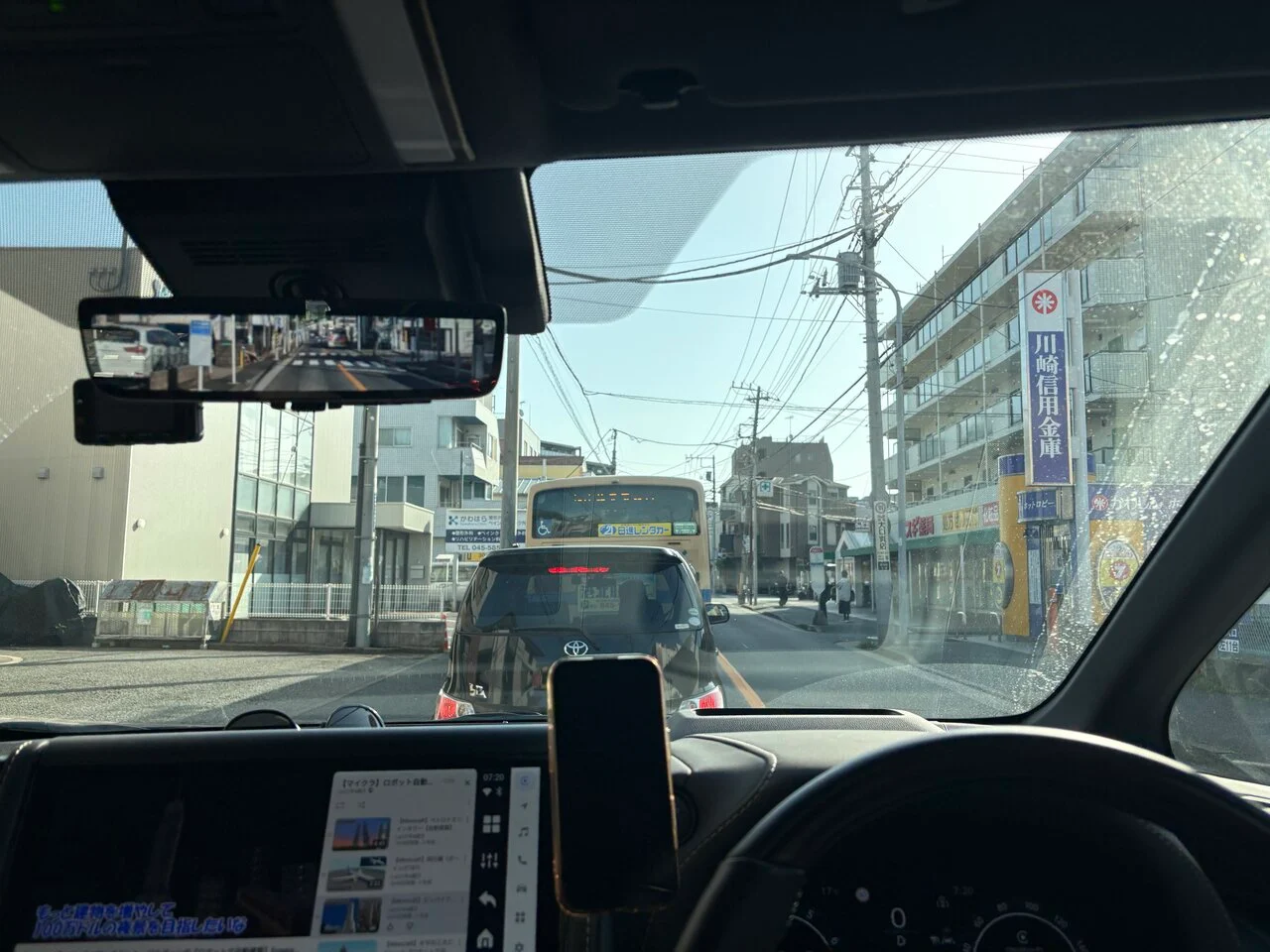
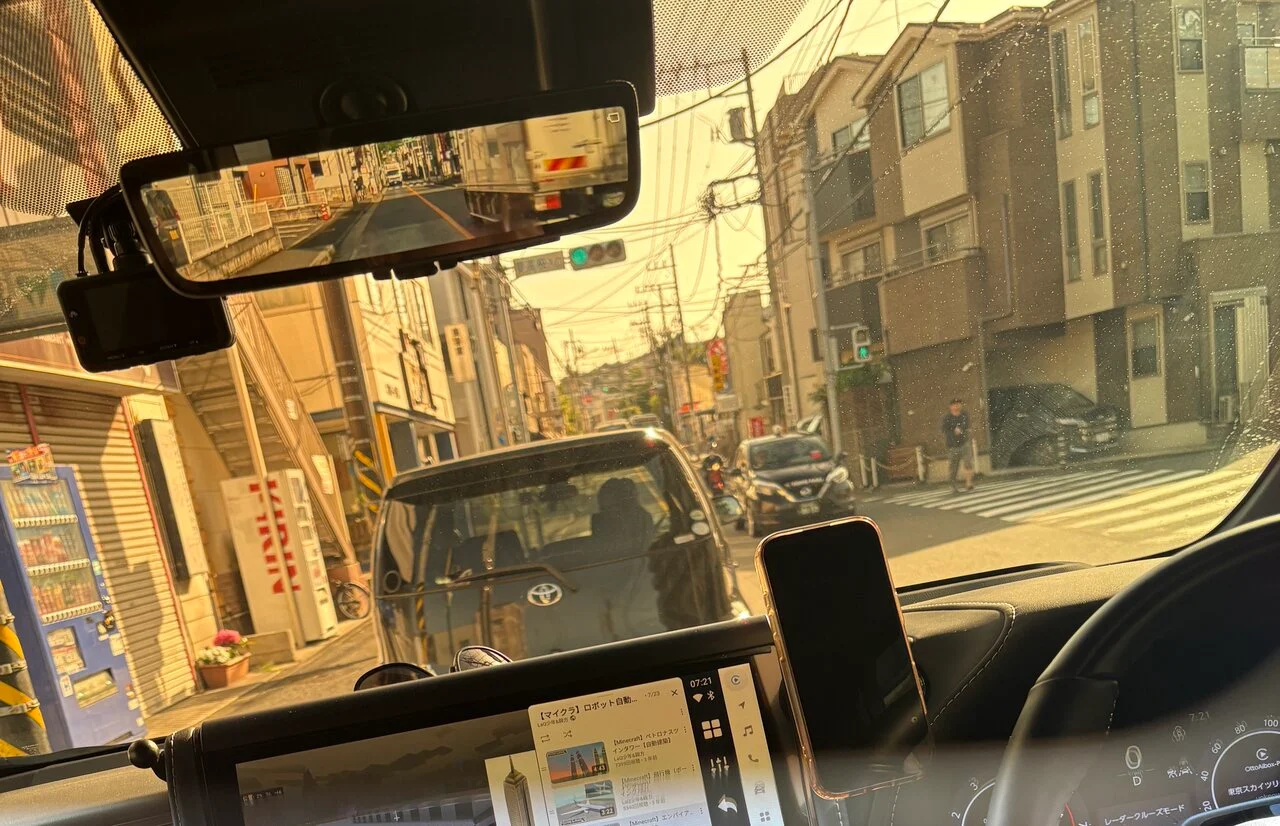
When I actually compared the two, I realized that photochromic and polarized lenses serve different roles rather than one being superior to the other.
Polarized lenses have the function of suppressing glare caused by uneven reflections on road surfaces, water surfaces, and windshields. Rather than reducing the amount of light, it feels more like organizing the glare, making the visibility during driving more stable.
Polarized lenses have the function of suppressing glare caused by uneven reflections on road surfaces, water surfaces, and windshields. Rather than reducing the amount of light, it feels more like organizing the glare, making the visibility during driving more stable.
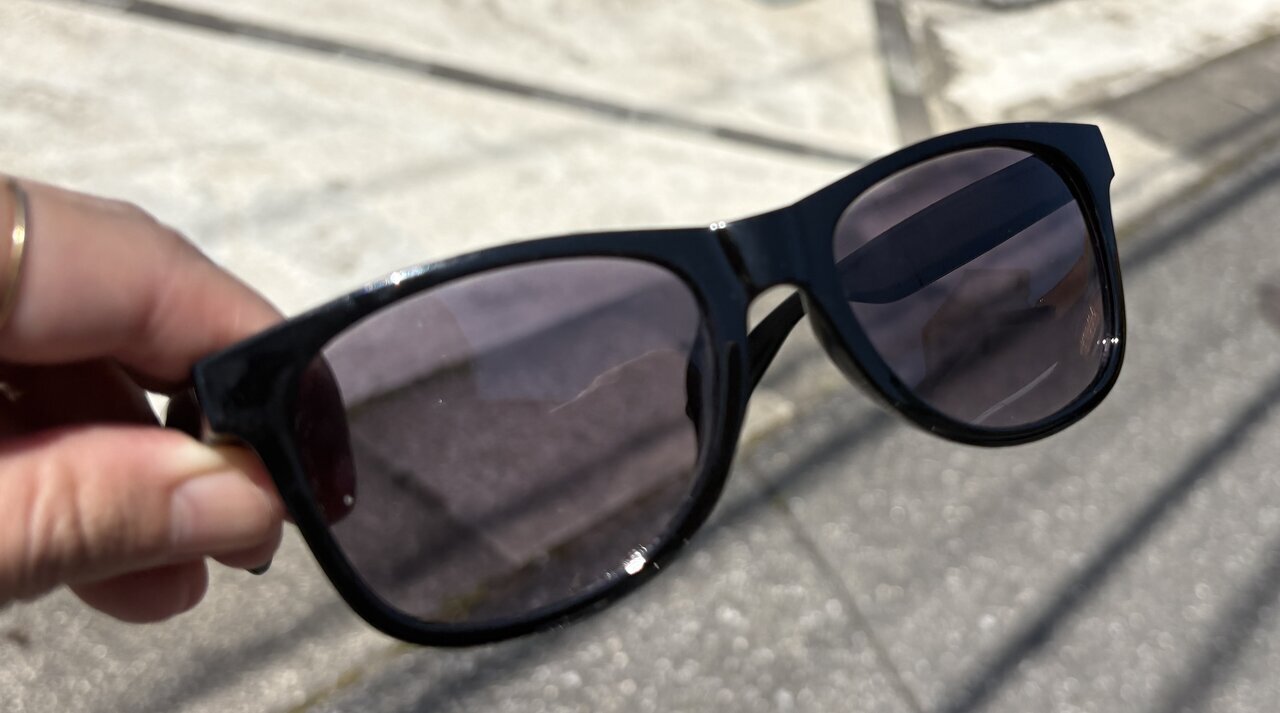
On the other hand, photochromic lenses change their density based on the amount of ultraviolet (UV) light. In areas with high UV light outdoors, the color of the lenses darkens, while indoors or in the evening, they naturally become lighter. In other words, polarized lenses are a "countermeasure against glare," while photochromic lenses are a "countermeasure against changes in UV light levels."
While they serve a slightly different role compared to UV-cut lenses, the photochromic sunglasses from Daiso that I tried have a UV transmission rate of less than 1%. They provided sufficient UV-cut performance for everyday use.
While they serve a slightly different role compared to UV-cut lenses, the photochromic sunglasses from Daiso that I tried have a UV transmission rate of less than 1%. They provided sufficient UV-cut performance for everyday use.
When I used them, each had its own "preferred situation."
Of course, you can do outdoor work with polarized lenses, and you can drive with photochromic lenses as well. However, when actually comparing the two for use, there were differences in how comfortable each felt in various situations.
When driving a car, polarizing lenses were definitely more comfortable. The reflections on the windshield and the glare from the road in sunny weather are softened, changing how tired your eyes feel.
When driving a car, polarizing lenses were definitely more comfortable. The reflections on the windshield and the glare from the road in sunny weather are softened, changing how tired your eyes feel.
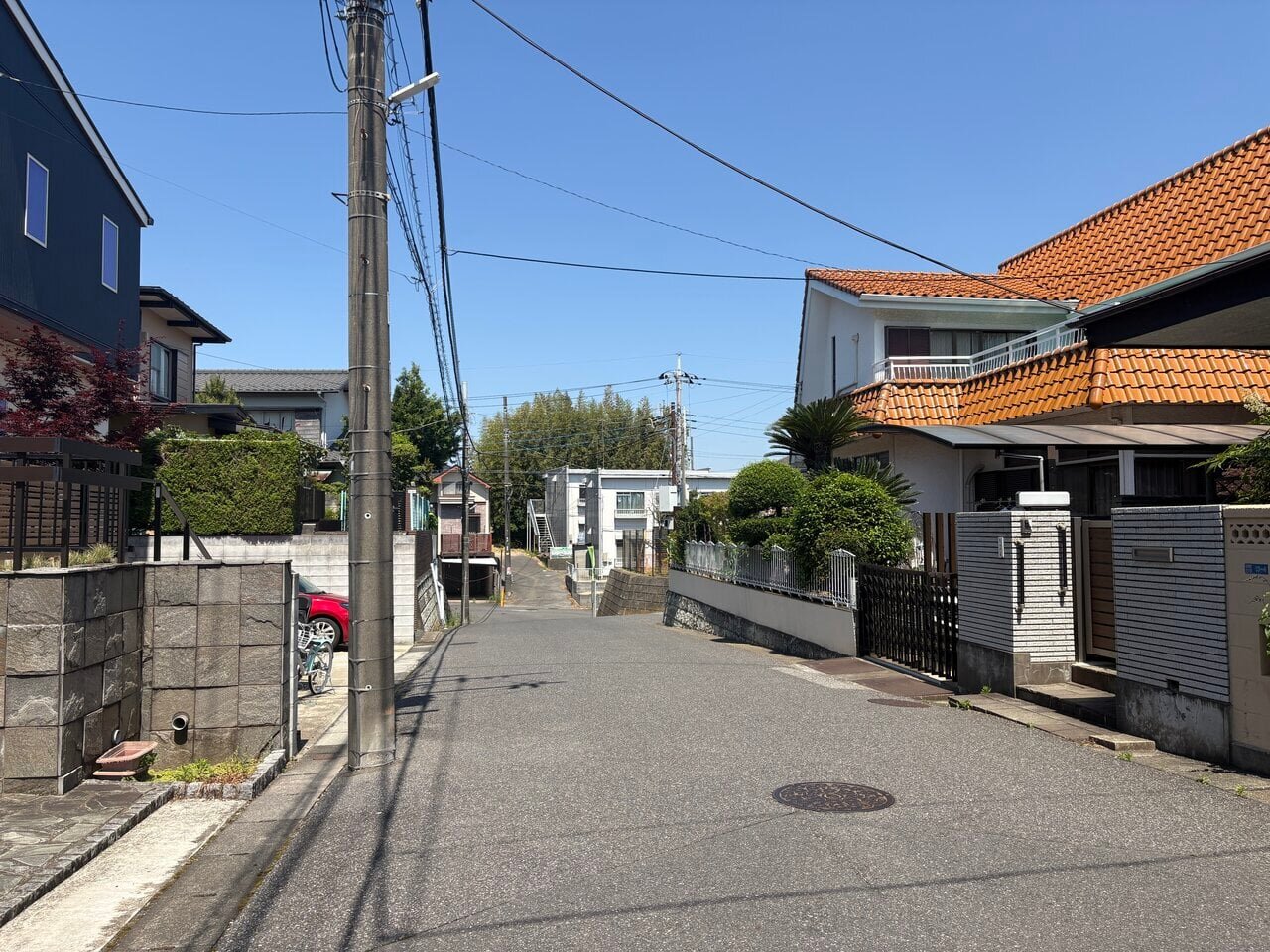
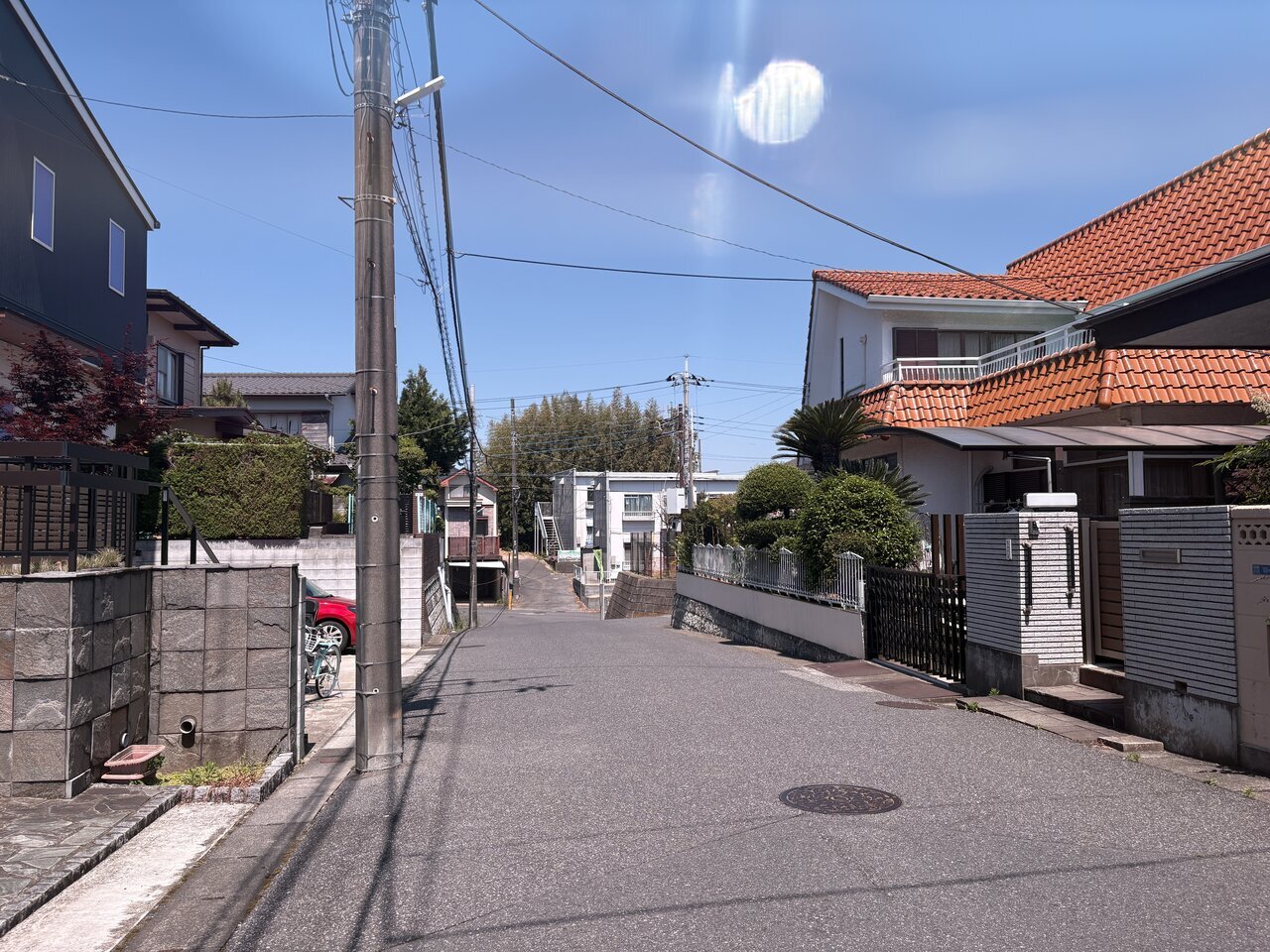
On the other hand, in situations like shopping and walking where the intensity of sunlight changes frequently, photochromic lenses were more convenient. They darken well outdoors and naturally lighten indoors, so there’s no discomfort from keeping sunglasses on all the time.

It became clear that your choice depends on whether you want to “reduce reflections” or “adapt to changes in brightness.”
In the upcoming season, it might be good to have both photochromic and polarized options available.

After trying them out, I felt that photochromic and polarized lenses are not in “competition,” but rather serve different roles.
Each has its strengths, and the “photochromic sunglasses” using Daiso's photochromic lenses were sufficient to experience photochromic lenses at the price of 220 yen. Before buying expensive sunglasses, I think this was quite an interesting item as an entry point to understand “which type suits me.”
Product name / Photochromic Sunglasses
Price / 220 yen
Visible light transmittance / Dark gray lens: 5%, Brown lens: 31%
Ultraviolet transmittance / Less than 1%
Material / Lens: Plastic, Frame: Plastic (Painted)
● Daiso Industries
Reporting and text by / SYURI
Each has its strengths, and the “photochromic sunglasses” using Daiso's photochromic lenses were sufficient to experience photochromic lenses at the price of 220 yen. Before buying expensive sunglasses, I think this was quite an interesting item as an entry point to understand “which type suits me.”
Product name / Photochromic Sunglasses
Price / 220 yen
Visible light transmittance / Dark gray lens: 5%, Brown lens: 31%
Ultraviolet transmittance / Less than 1%
Material / Lens: Plastic, Frame: Plastic (Painted)
● Daiso Industries
Reporting and text by / SYURI
- *Photochromic Sunglasses
- *Polarized Sunglasses
- Daiso
- Photochromic Sunglasses
- Polarized Glasses
- SYURI
- Sunglasses
- Workman
- SHARE








![[A Must-See for Busy People] I Started a Fermented Life with One More Dish Using Muji's Rice Bran that Only Needs Stirring Once a Week](https://cdn.clipkit.co/tenants/1046/articles/images/000/034/141/large/b938b807-13fd-41e6-be07-aae4411ae5be.jpg?1790888453)

![[Interview] Bongo Brownie ✕ VAN LIVING What is the concept of living space that can be enjoyed with simple DIY?](https://cdn.clipkit.co/tenants/1046/articles/images/000/029/348/large/1669c7fe-4dba-4cc5-b0a3-7defa56bc0c0.jpg?1774904732)
 FASHION
 OUTDOOR
 WATCH
WATCH CAR & BIKE
 SNAP
SNAP DINING
 LIFE
LIFE GADGET
 GOLF
GOLF