
DINING
2026.05.27
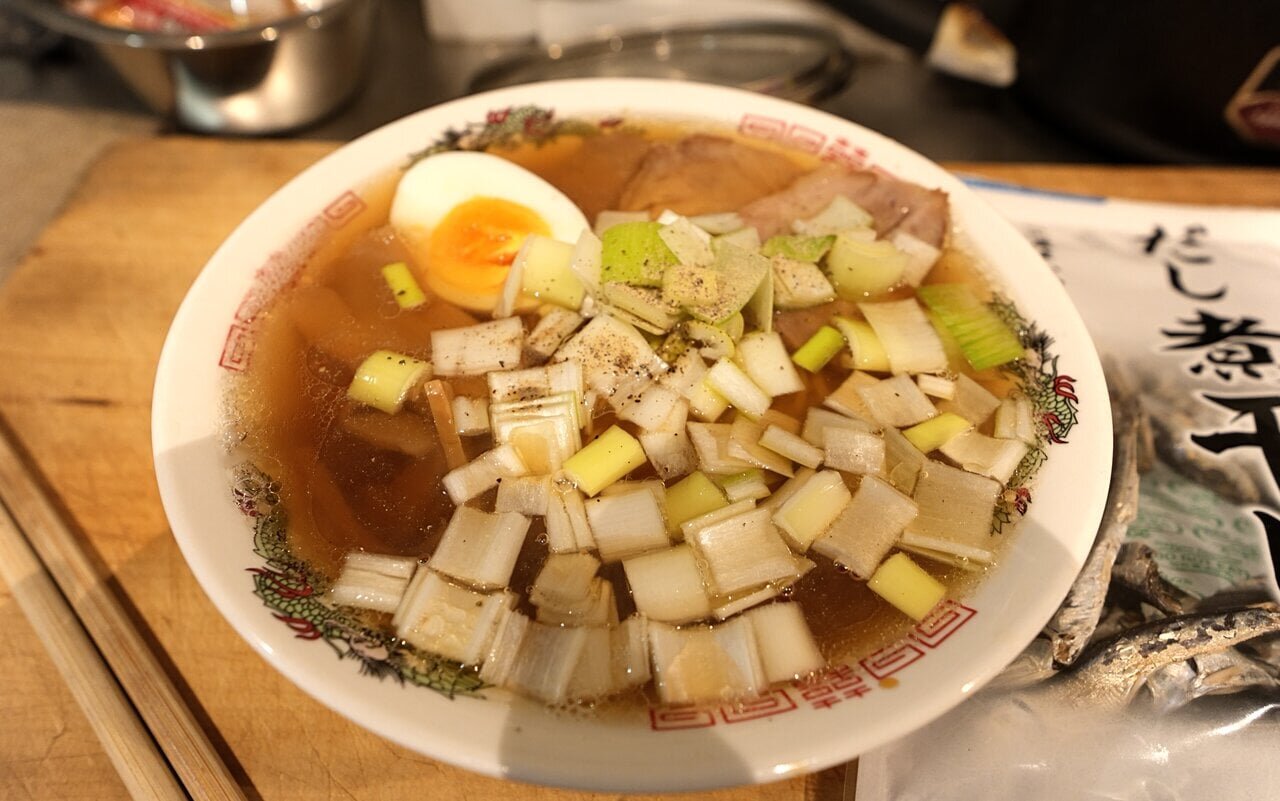
【Homemade soup】The fresh ramen bought at the supermarket becomes a satisfying niboshi ramen! I tried making the broth myself.
The author enjoys making miso soup using dashi from kombu and katsuo. However, wanting to try using "dried sardines," which they have not used much before, decided to make ramen that would likely match the flavors.
Easily with simple ingredients! Challenge with the usual Shimadaya fresh ramen
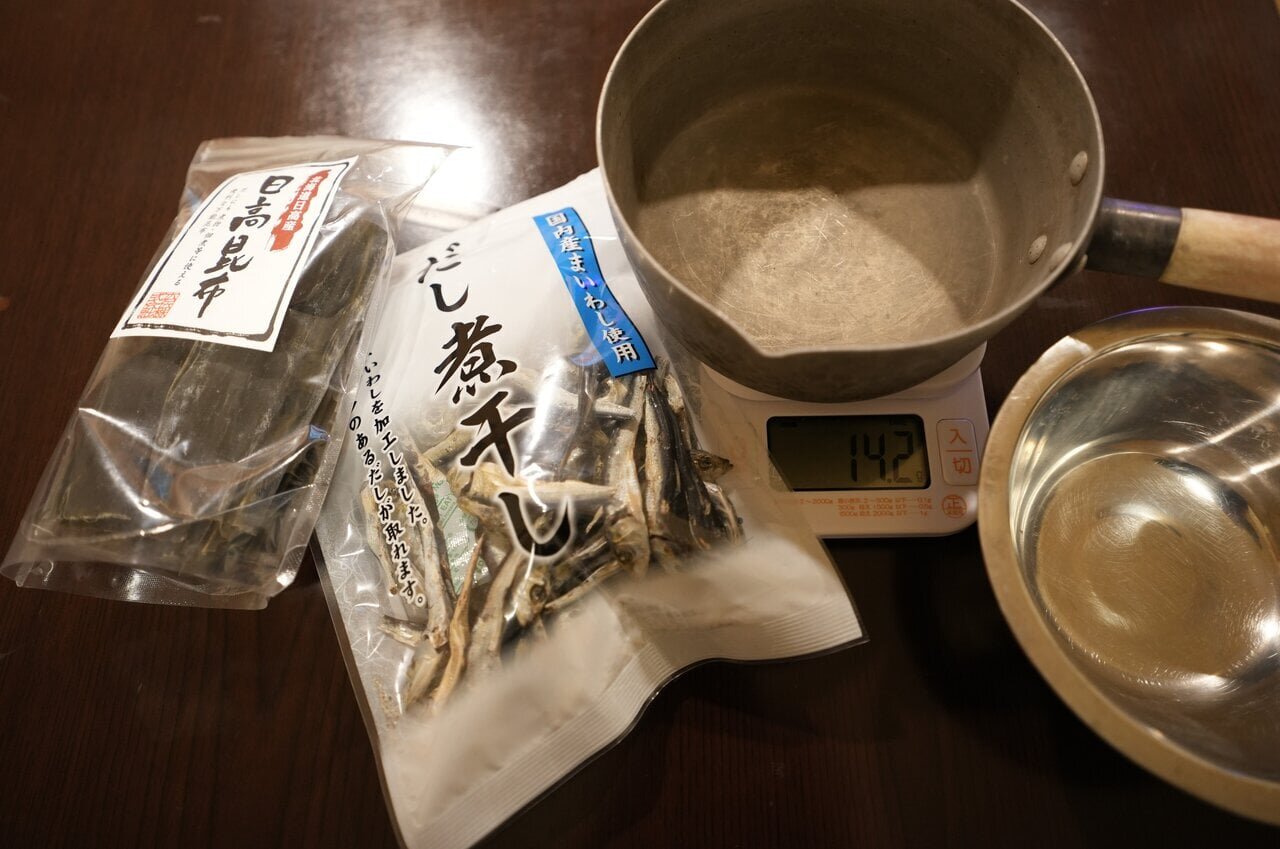
Ramen is something I often eat the day after drinking at home, the red bag fresh ramen. There is no specific brand mentioned, but I'm challenging myself with the usual Shimadaya fresh ramen.
I wanted to be able to make dried sardine ramen regularly, not just this time, so I decided to try making it with as simple ingredients as possible. As mentioned later, the recipe quantities are subject to change. Please adjust to your liking.
“Ingredients for homemade dried sardine ramen (1 serving)”
・Pre-packaged ramen (soy sauce 1 serving)
・Water (500g)
・Dried sardines (30g)
・Kombu (5g)
・Somi Shantan (1 teaspoon) *Chinese soup stock
・Rice bran oil (2 tablespoons)
The following are toppings
・Green onion
・Menma
・Boiled egg
・Chashu
・Black pepper
I wanted to be able to make dried sardine ramen regularly, not just this time, so I decided to try making it with as simple ingredients as possible. As mentioned later, the recipe quantities are subject to change. Please adjust to your liking.
“Ingredients for homemade dried sardine ramen (1 serving)”
・Pre-packaged ramen (soy sauce 1 serving)
・Water (500g)
・Dried sardines (30g)
・Kombu (5g)
・Somi Shantan (1 teaspoon) *Chinese soup stock
・Rice bran oil (2 tablespoons)
The following are toppings
・Green onion
・Menma
・Boiled egg
・Chashu
・Black pepper
The key dried sardine broth is prepared overnight
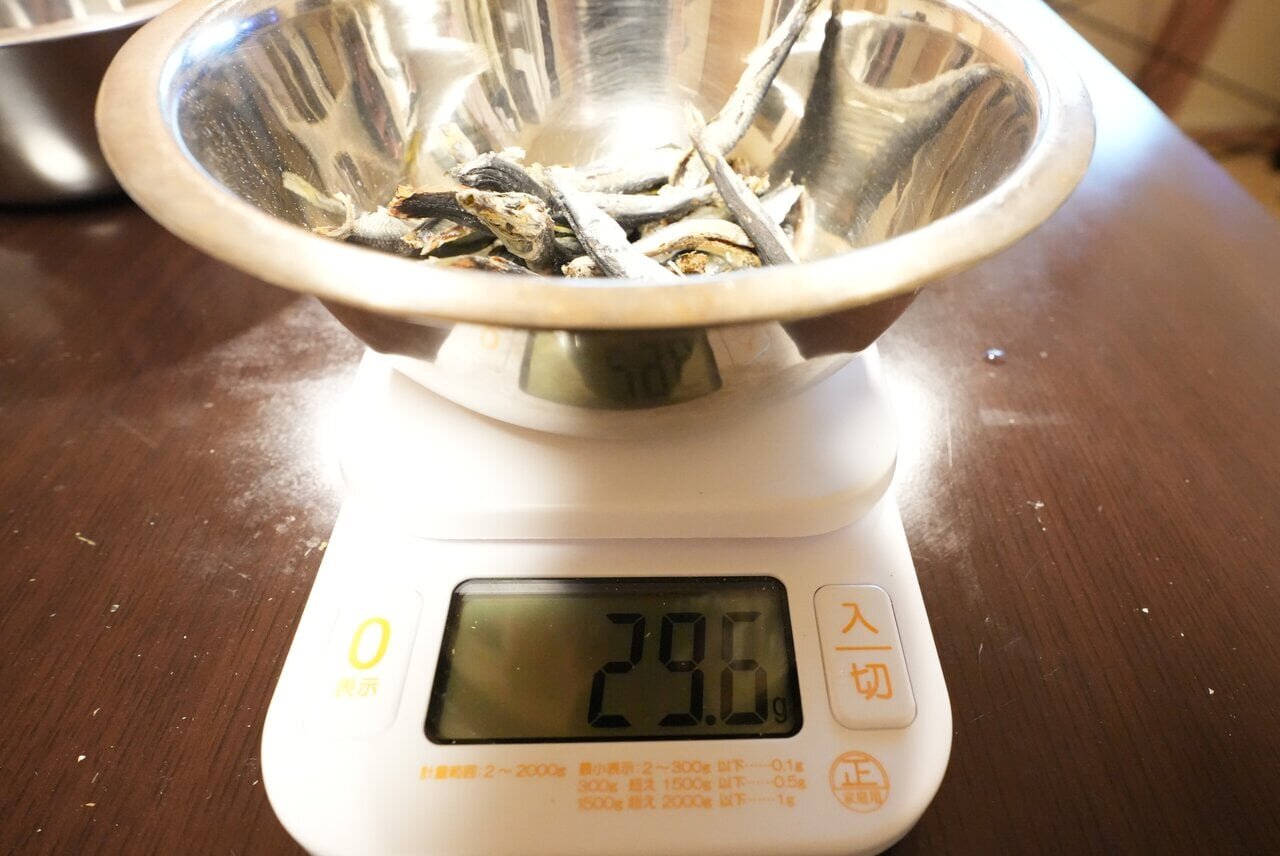
Remove the heads and internal organs from the dried sardines. It's said it's not necessary to remove them, but leaving them on can make the bitterness and fish flavor stronger. It's true that when I made it during trial without removing them, the flavor intensified. I wasn't particularly good at making dried sardine broth originally, but I didn't dislike it. This may depend on personal preference. Naturally, if you remove them, the weight will decrease, so it's recommended to weigh them while removing.<
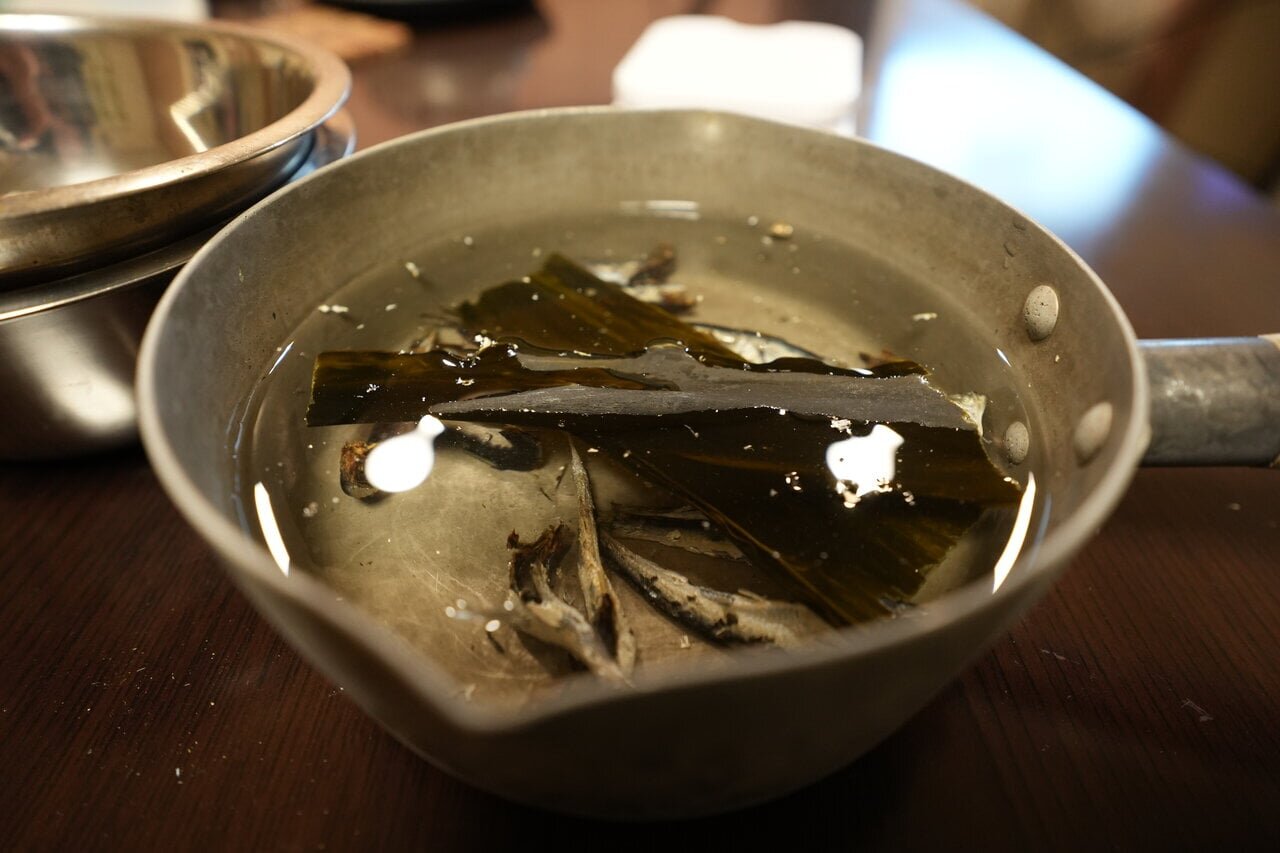
The kombu is combined with water and left in the refrigerator overnight. Since I plan to boil it, it may not be necessary to soak it for too long. I always leave kombu overnight when making stock, so I just did it the usual way. I’m preparing it at night and plan to eat it for lunch tomorrow.
Starting to make dashi by putting dried sardines and kelp on the fire
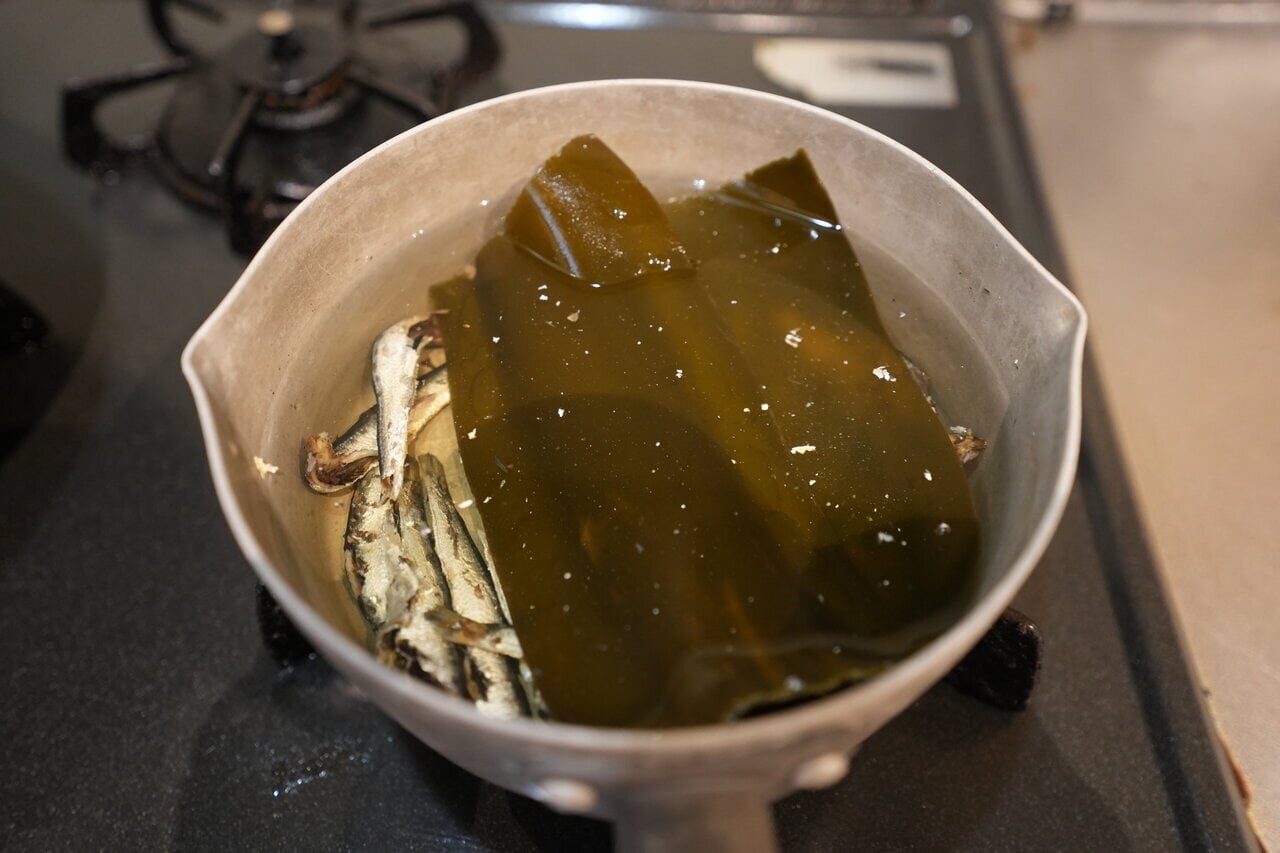
As it became lunch time and I got hungry, I started to make dashi by putting dried sardines and kelp on the fire! Even at the moment I took the kelp out of the refrigerator, a clear dashi was already being extracted, but I decided to take my time with it.
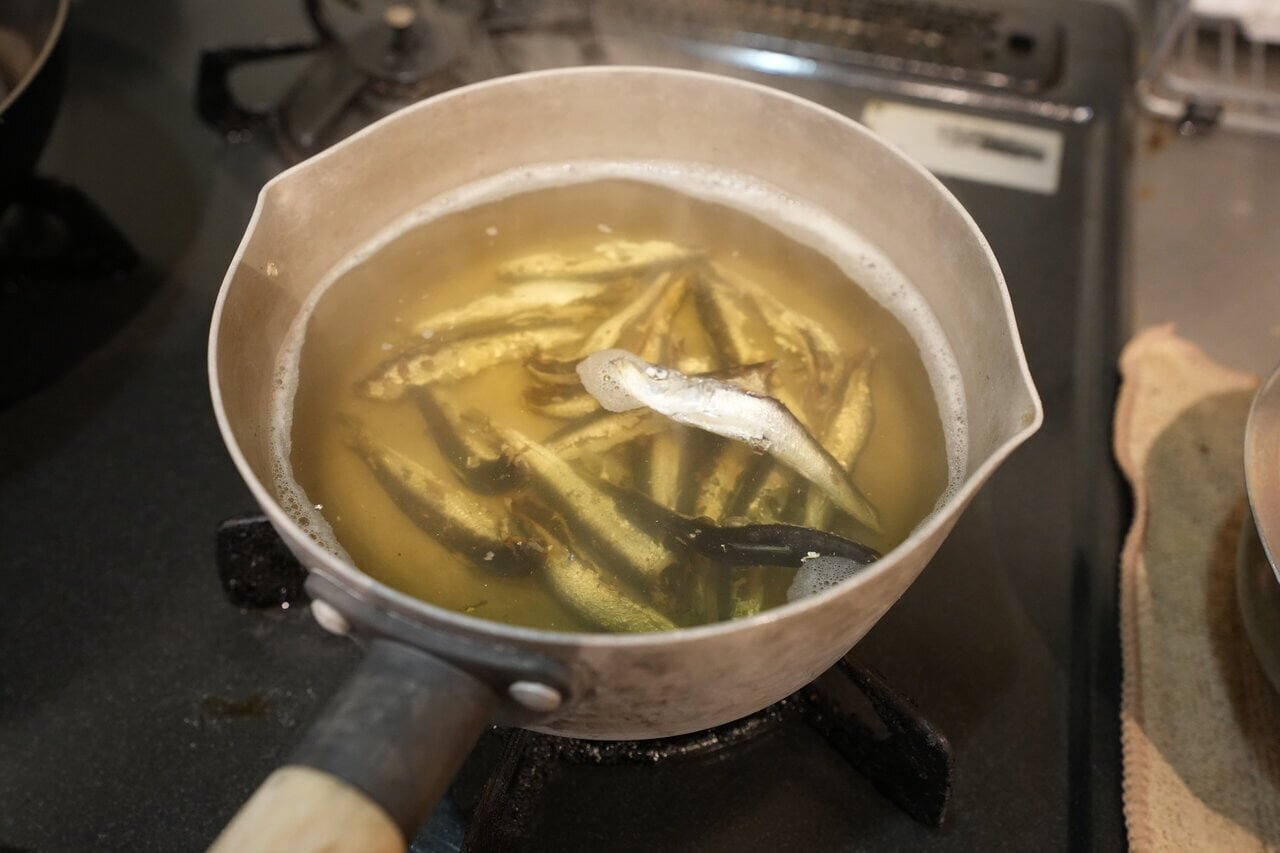
Skimming off the scum, I kept it on low heat for about 15-20 minutes. Just before it was about to boil, I removed the kelp. I considered boiling it longer, but during the previous trial, boiling it caused cloudiness, so I turned off the heat immediately after removing the kelp and strained the dashi.
Preparing the combined soup and dried sardine oil
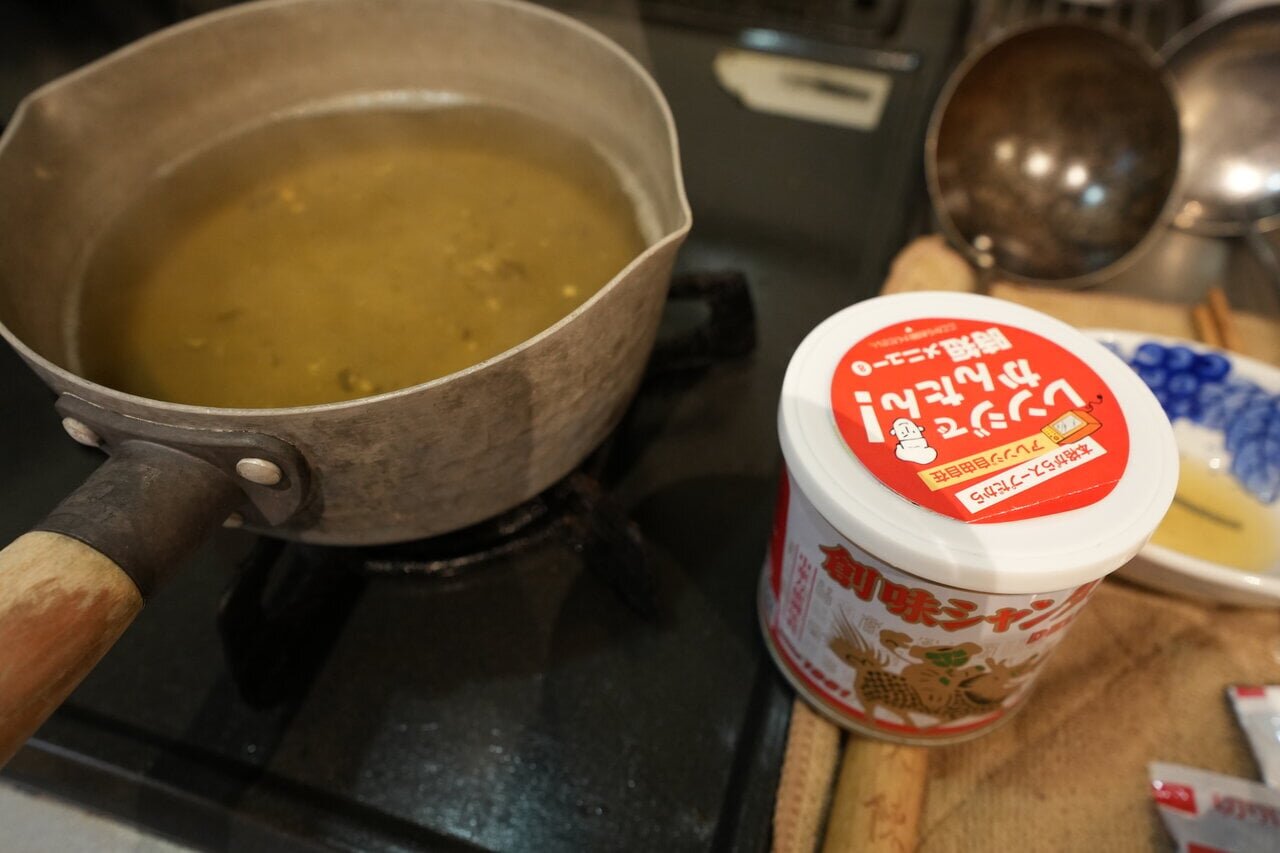
Tasting the dashi I extracted, it had quite a good flavor by itself. During the trial, at this point, it was very fishy, and I discovered that adding Sōmi Shantan (Chinese broth) would mitigate the odor and enhance the umami, so I decided to add Sōmi Shantan again this time as well. It seems worthwhile to try to bring out the fish flavor strongly and combine it with the Chinese broth.
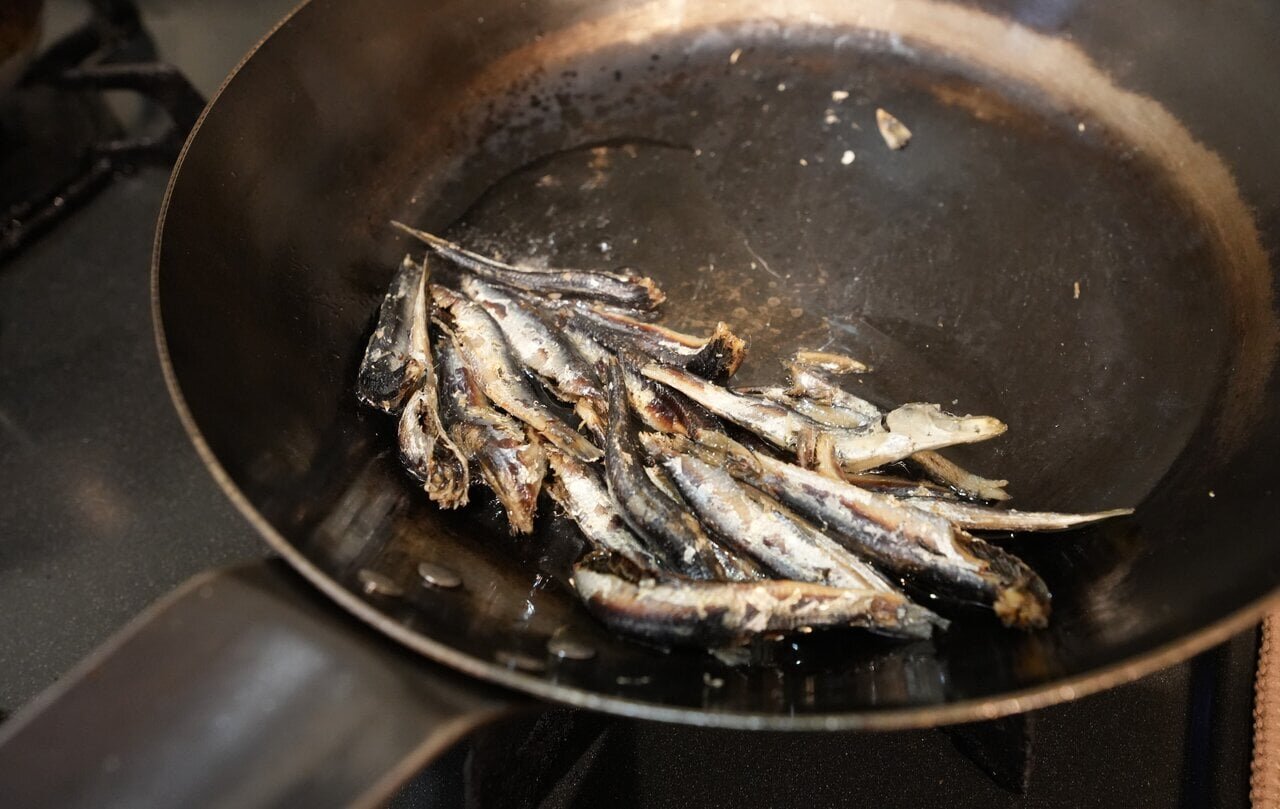
After dry roasting the leftover dashi, mix it with oil and simmer over low heat to extract the niboshi oil. Be careful, as the oil can splatter at high temperatures. The aim is to enhance the aroma with the niboshi oil and add richness. When I tasted it, it was milder than I expected.
Prepare the usual ramen + toppings and finish.
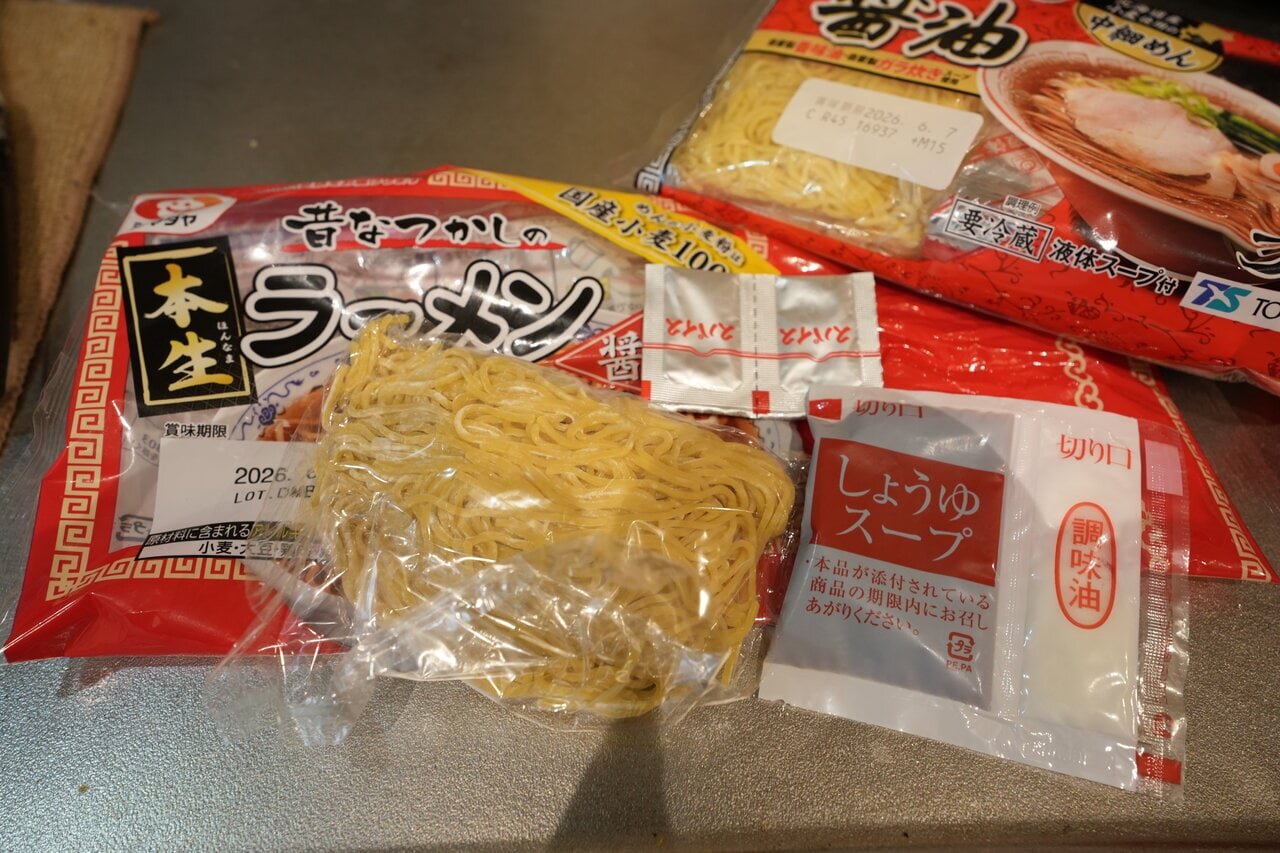
The ramen is the fresh noodles in the red bag that I always eat. My favorite is Shimadaya's ramen, which has the lard separated in the soup. What type of fresh ramen do you all recommend?
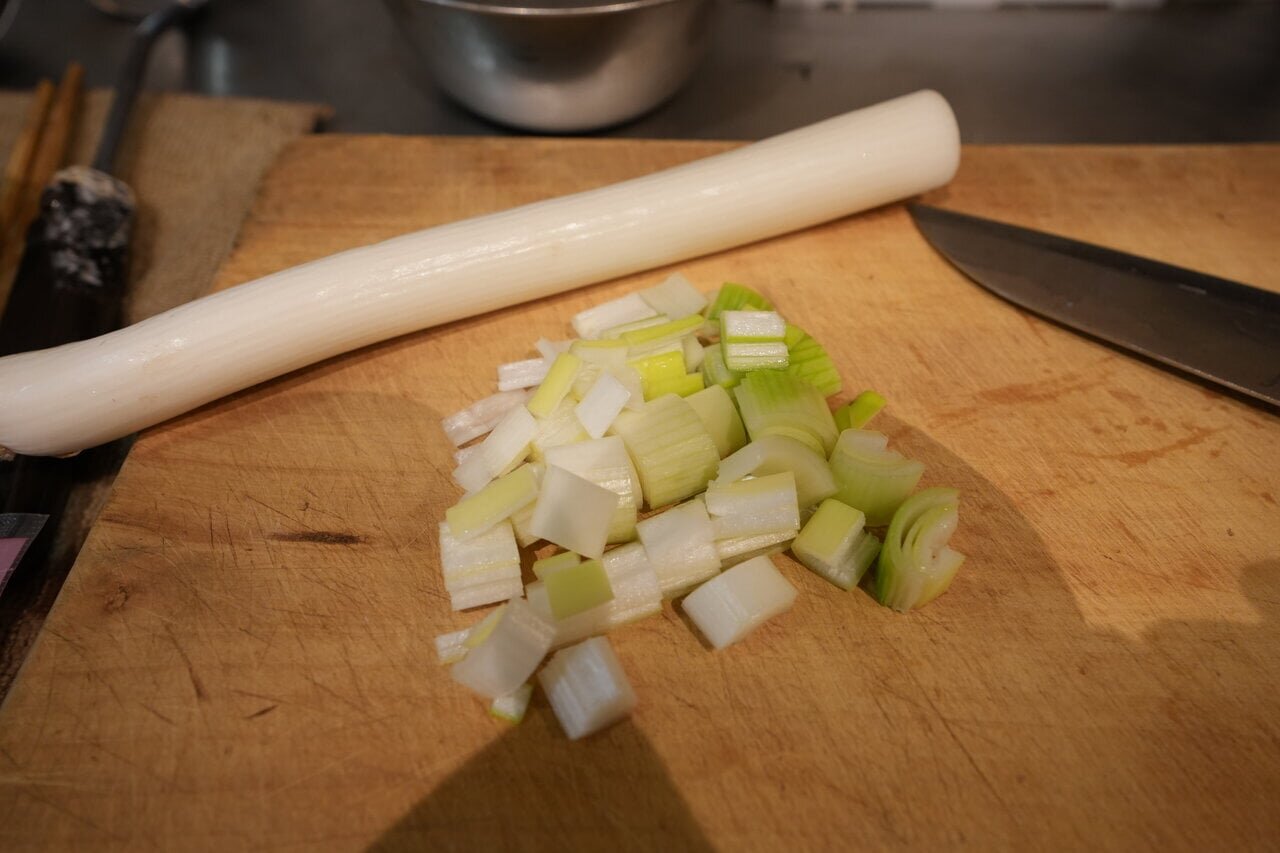
An important detail is cutting the green onions into squares. Cut them in half vertically and chop into 1cm widths. This enhances the aroma of the green onions when they enter the mouth and matches well with the niboshi soup. Also, it gives a more restaurant-like appearance.
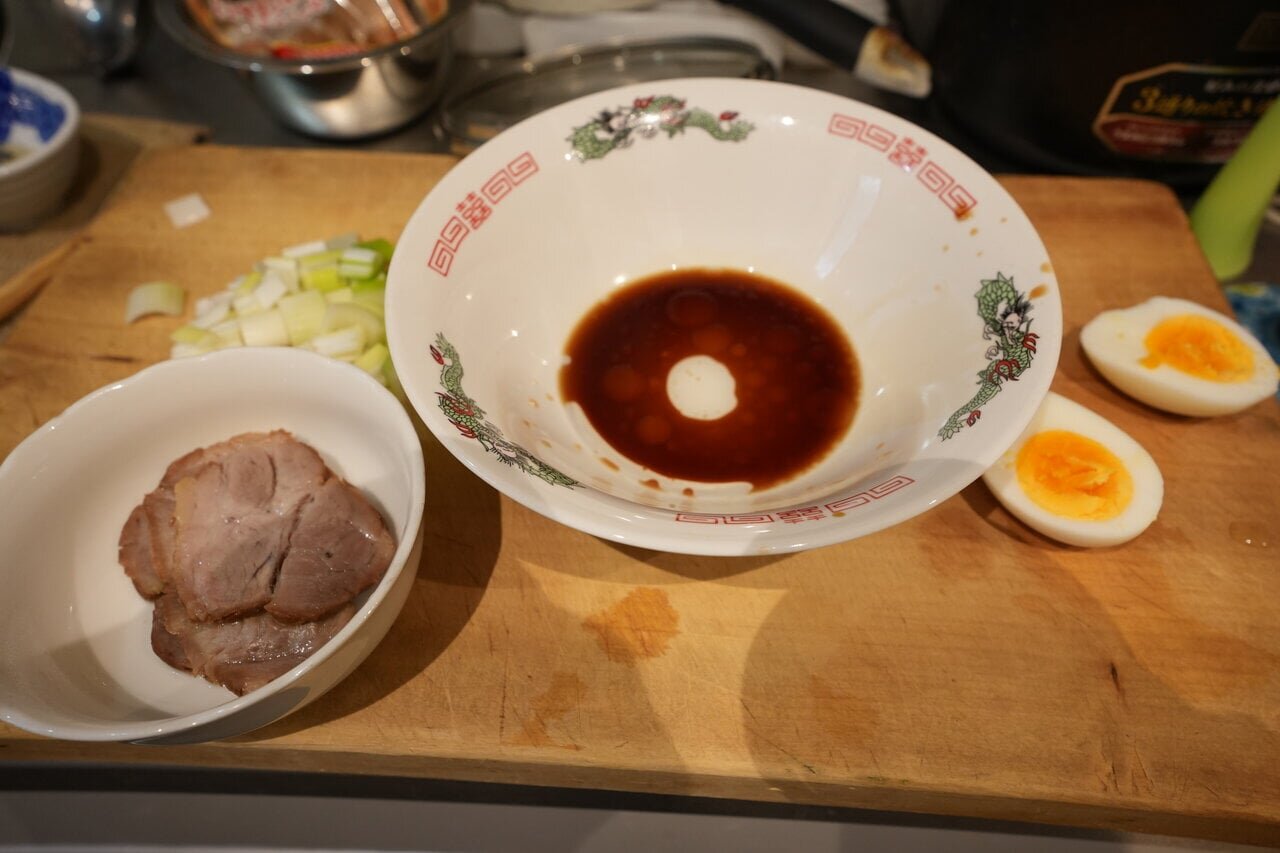
Boil the noodles, combine the prepared dashi soup, niboshi oil, and tare, then add the toppings to finish. After that, just take it to the table and eat.
Looking forward to the day after making it, homemade niboshi ramen
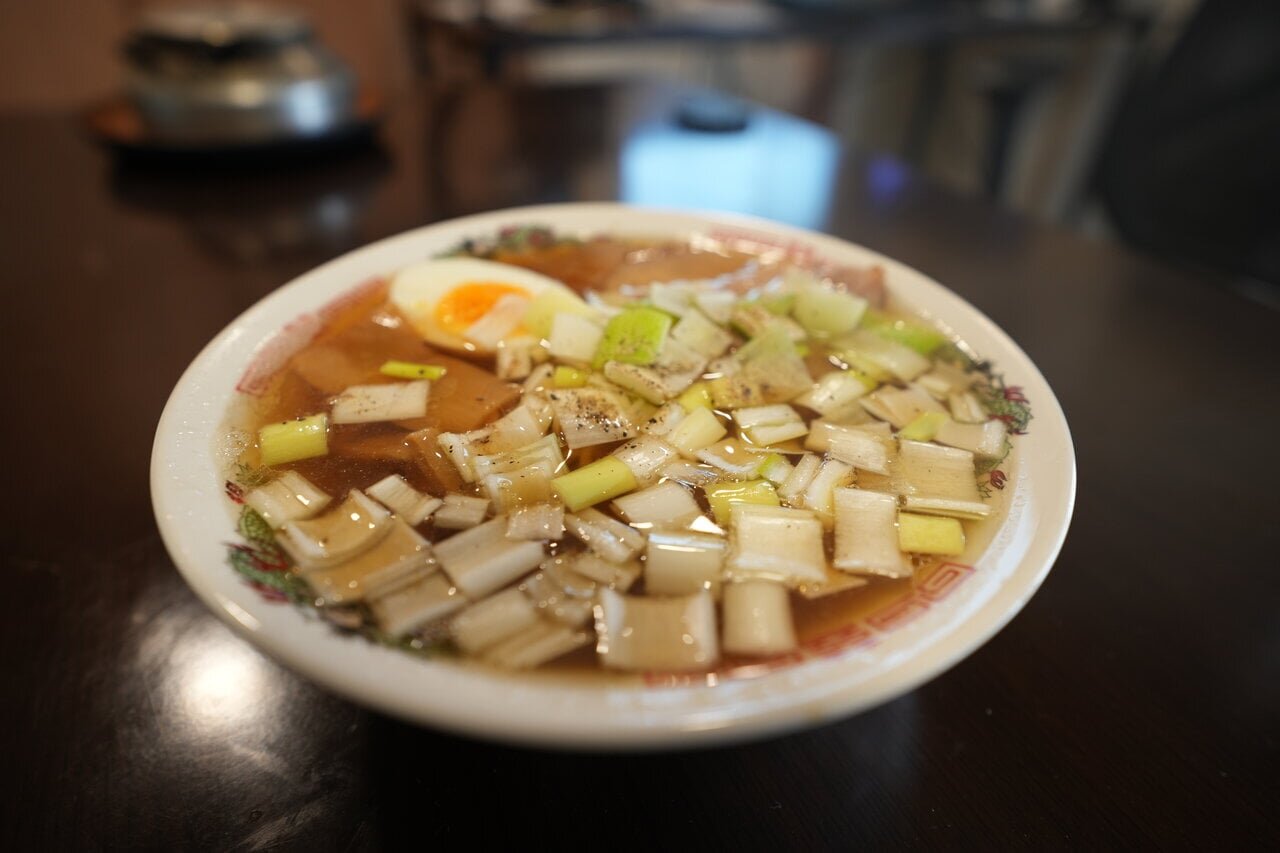
The finishing touch on the homemade niboshi ramen looks like this. I added too much broth to the commercially available sauce. The taste became dull, so I will try adding salt and pepper.
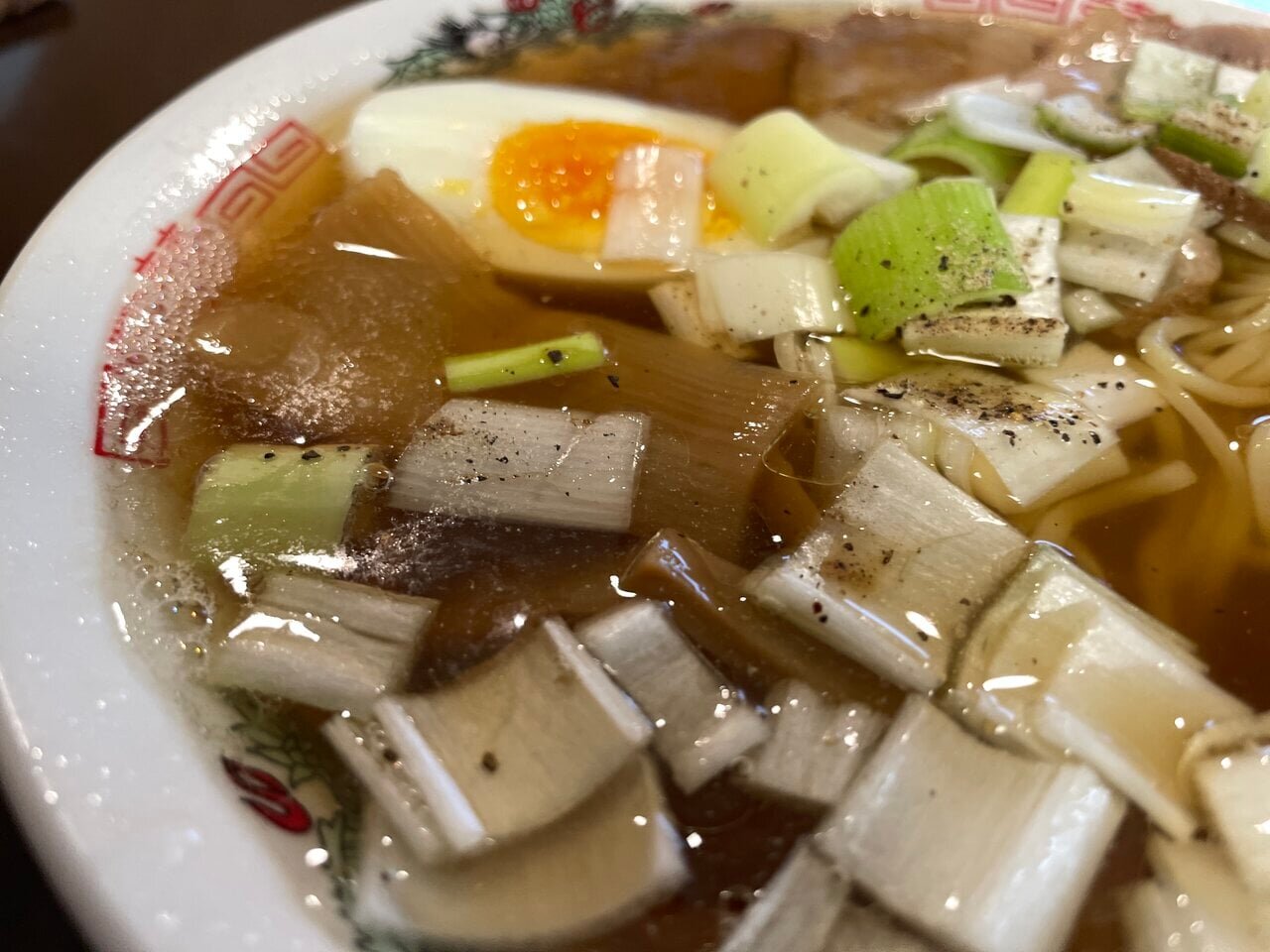
I’m not particularly good with the aroma of niboshi, but when used in ramen, it becomes a good flavor, making it easy to achieve a taste similar to a restaurant. Thanks to the niboshi oil, it also adds richness. I liked it very much.
As for points of improvement, it might be better to increase the amount of niboshi to bring out more aroma, or it might be good to use them whole after all.
At this time, I also realize that the flavor is characteristic of the soup often found in “tsukemen.” Since I occasionally make tsukemen with commercial ramen, I would like to try it.
During the rainy season, when I think, “It’s raining and I have no plans, so I’ll drink at home,” I can imagine the pattern of preparing niboshi broth while drinking and eating it the next day. Making homemade niboshi ramen becomes something to look forward to for the next morning, so please give it a try.
As for points of improvement, it might be better to increase the amount of niboshi to bring out more aroma, or it might be good to use them whole after all.
At this time, I also realize that the flavor is characteristic of the soup often found in “tsukemen.” Since I occasionally make tsukemen with commercial ramen, I would like to try it.
During the rainy season, when I think, “It’s raining and I have no plans, so I’ll drink at home,” I can imagine the pattern of preparing niboshi broth while drinking and eating it the next day. Making homemade niboshi ramen becomes something to look forward to for the next morning, so please give it a try.
Interview and text by Kazuma Tanaka
- SHARE














 FASHION
 OUTDOOR
 WATCH
WATCH CAR & BIKE
 SNAP
SNAP DINING
 LIFE
LIFE GADGET
 GOLF
GOLF