
OUTDOOR
2026.06.23
I want to solve the problem of sunglasses fogging up while stream fishing! I tried an anti-fog solution for sunglasses
During the rainy season stream fishing, my sunglasses suddenly fogged up and I couldn't fish anymore. Until now, I had been using them without any fogging; why did this happen? I wanted to eliminate the fogging on my sunglasses lenses, so I tried using an anti-fog solution!?
My sunglasses fogged up in the rainy season stream
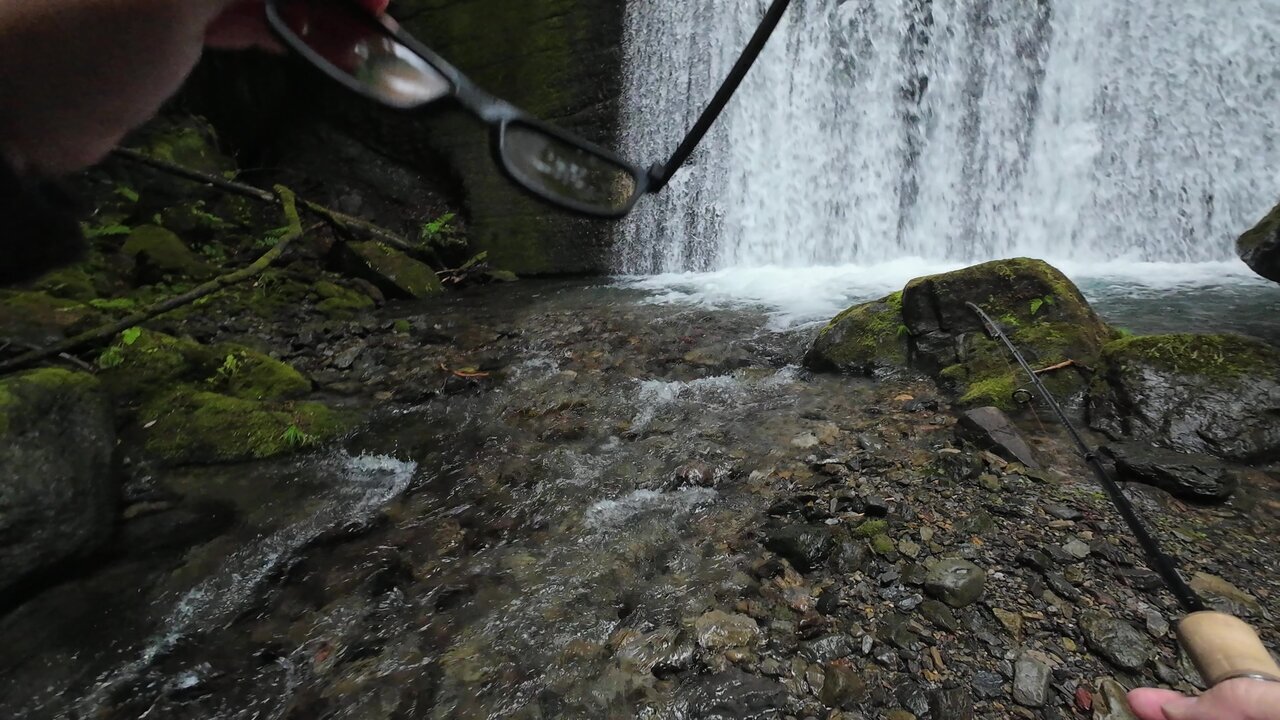
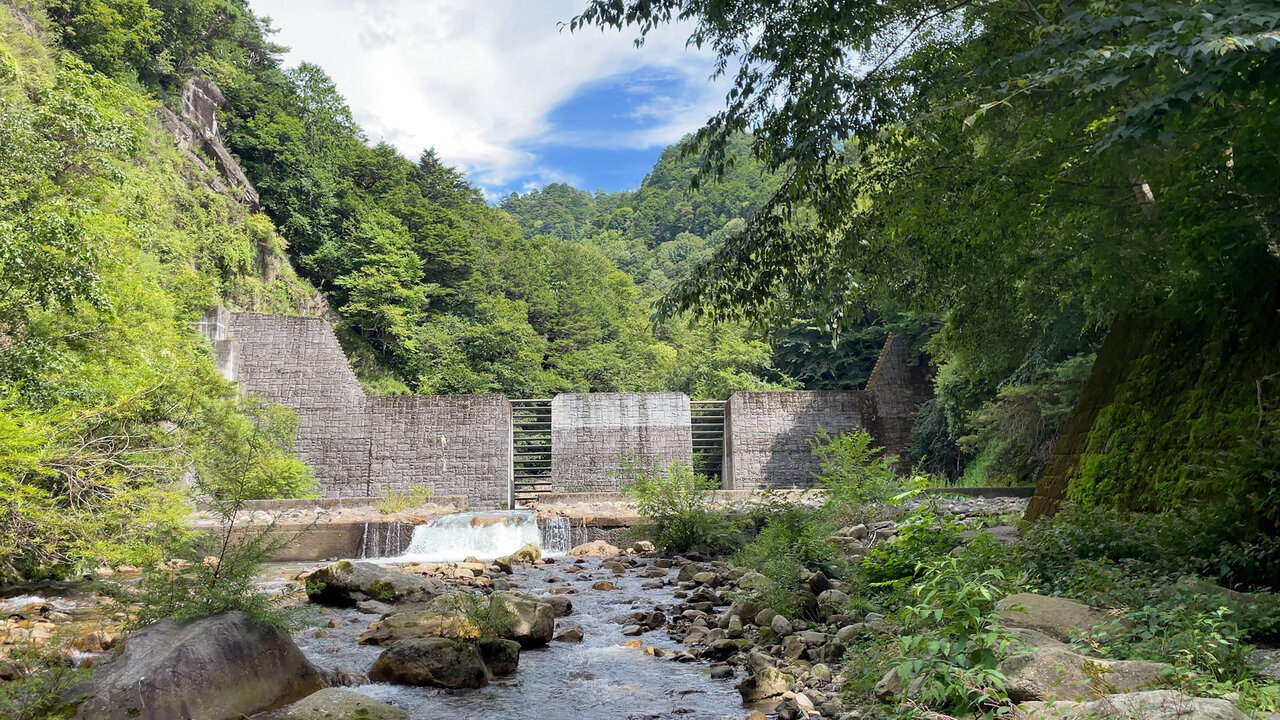
Even though I went fishing in the stream during a break in the rainy season, my polarized sunglasses fogged up and I couldn't tell where the lure was, so I couldn't fish at all.
Is the cause humidity, or is it the temperature difference between the forest road and the stream? Until recently, I had no issues with the same gear, and suddenly I was confused by the loss of visibility.
Upon investigating the reason, it seems that when the fit of the sunglasses is too strong, air becomes trapped and water droplets are more likely to form. Additionally, on the coating surface of polarized lenses, water droplets can remain more easily. High humidity and cooler temperatures can also lead to fogging, and such environmental conditions may overlap in the stream.
Is the cause humidity, or is it the temperature difference between the forest road and the stream? Until recently, I had no issues with the same gear, and suddenly I was confused by the loss of visibility.
Upon investigating the reason, it seems that when the fit of the sunglasses is too strong, air becomes trapped and water droplets are more likely to form. Additionally, on the coating surface of polarized lenses, water droplets can remain more easily. High humidity and cooler temperatures can also lead to fogging, and such environmental conditions may overlap in the stream.
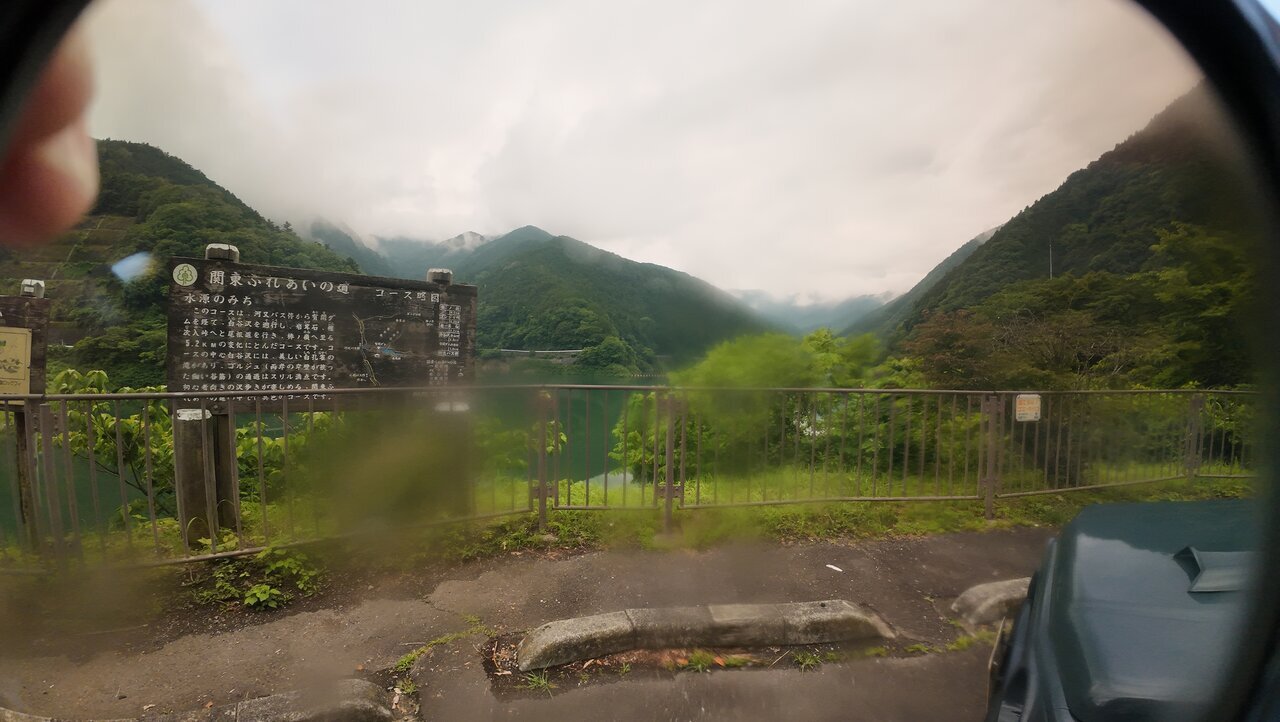
Not being able to see is also dangerous. I realized that when descending the slope at the entry point, poor visibility led to neglecting to check my footing, which disrupted my concentration. After that, I tried to take off my sunglasses to enter, but the glistening water surface made it harder to see without them, and I ended up not enjoying fishing at all, leading to my withdrawal.
I bought a gel-type anti-fog agent! What is its effect?
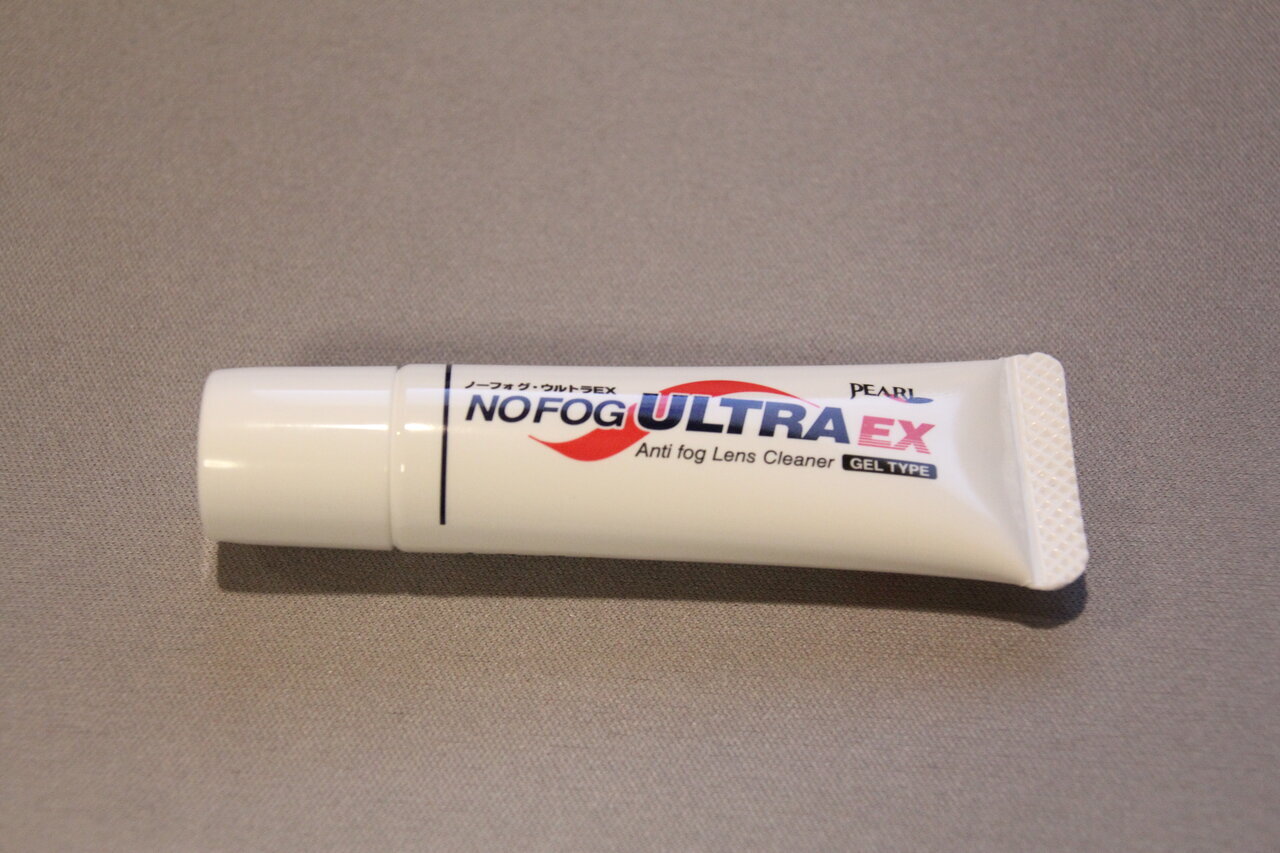
So, I decided to use a proper anti-fog agent. Among many options, I purchased "Pearl No Fog Ultra EX" (715 yen). Anti-fog agents come in types like "spray," "sheet," "mousse," and "gel," but I chose the gel type, which is said to last longer.
Since it is difficult to apply anti-fog treatment on-site, I focused on durability. Also, some other anti-fog products have warnings against use on lenses with special coatings, but this product did not have such a warning, which was another reason I decided to buy it.
Since it is difficult to apply anti-fog treatment on-site, I focused on durability. Also, some other anti-fog products have warnings against use on lenses with special coatings, but this product did not have such a warning, which was another reason I decided to buy it.
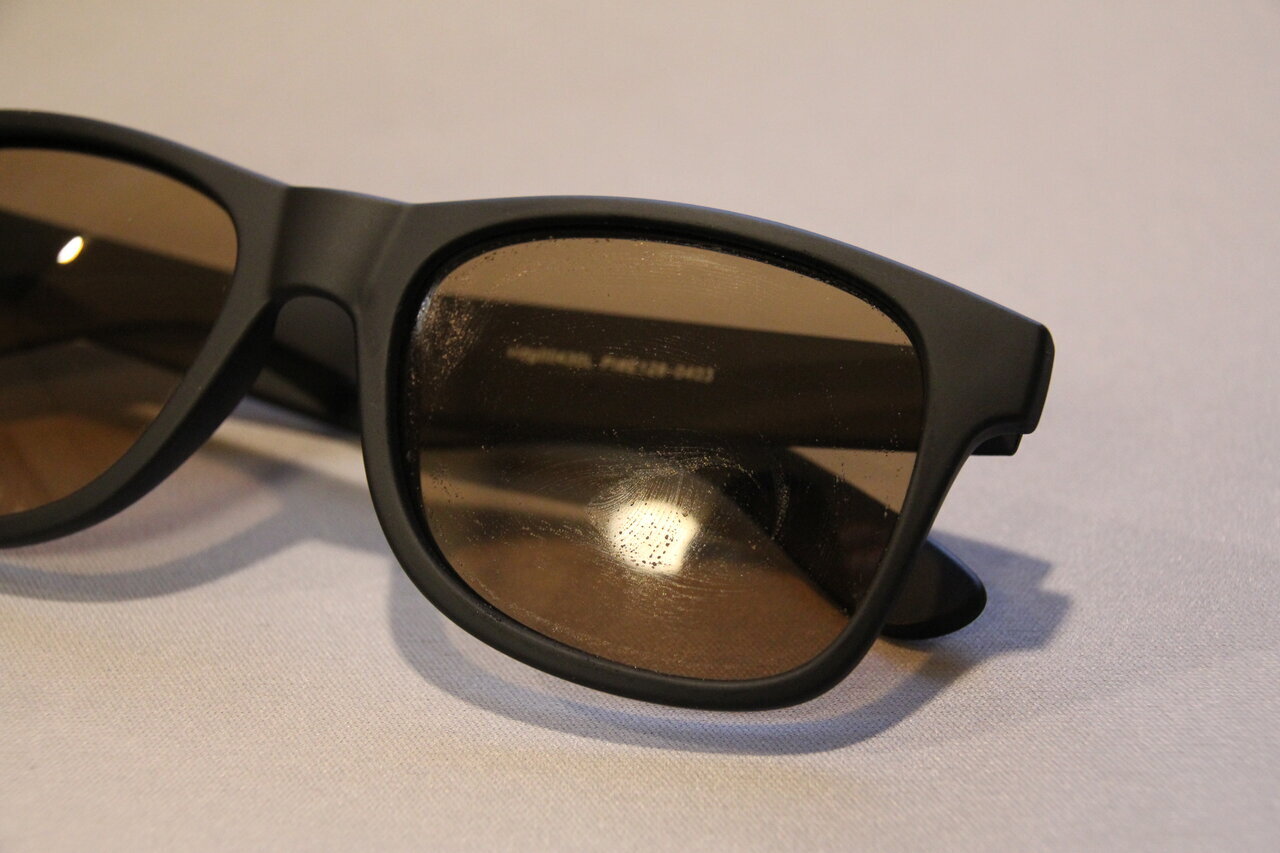
The application is simply completed by applying a suitable amount and spreading it with your fingers, then wiping it off with a tissue. Generally, in order to create an anti-fog effect on lenses, a "surfactant" is necessary, and the silica included helps retain that surfactant. It seems that it can lose its effectiveness if rinsed with water for easy spreading and effect, so some care is needed in handling it at fishing sites.
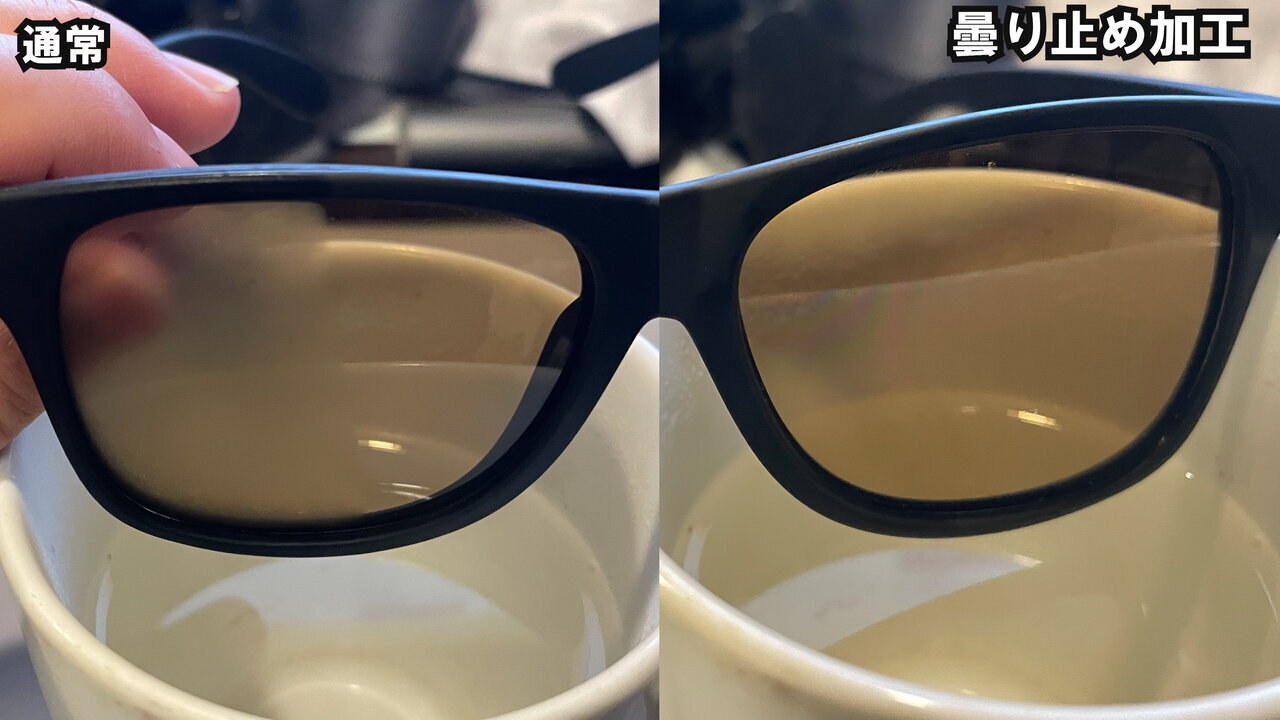
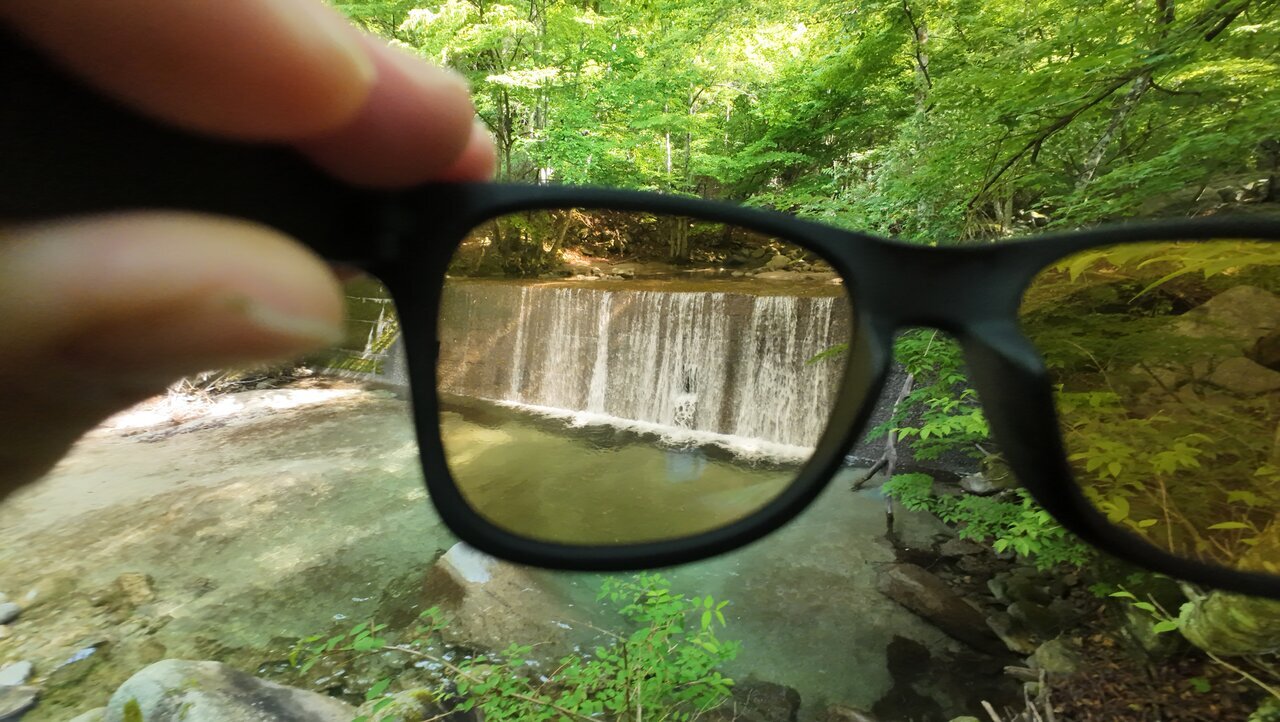
To make the before-and-after comparison easier to understand, I created a foggy lens situation with steam. Before the anti-fog treatment, the fogged lens remains as it is, but after treatment, a barrier like an oil film forms – it fogs briefly but then quickly clears up. With this, it might not end up like last time.
The absolute effect might be subtle... but it has allowed me to enjoy fishing.
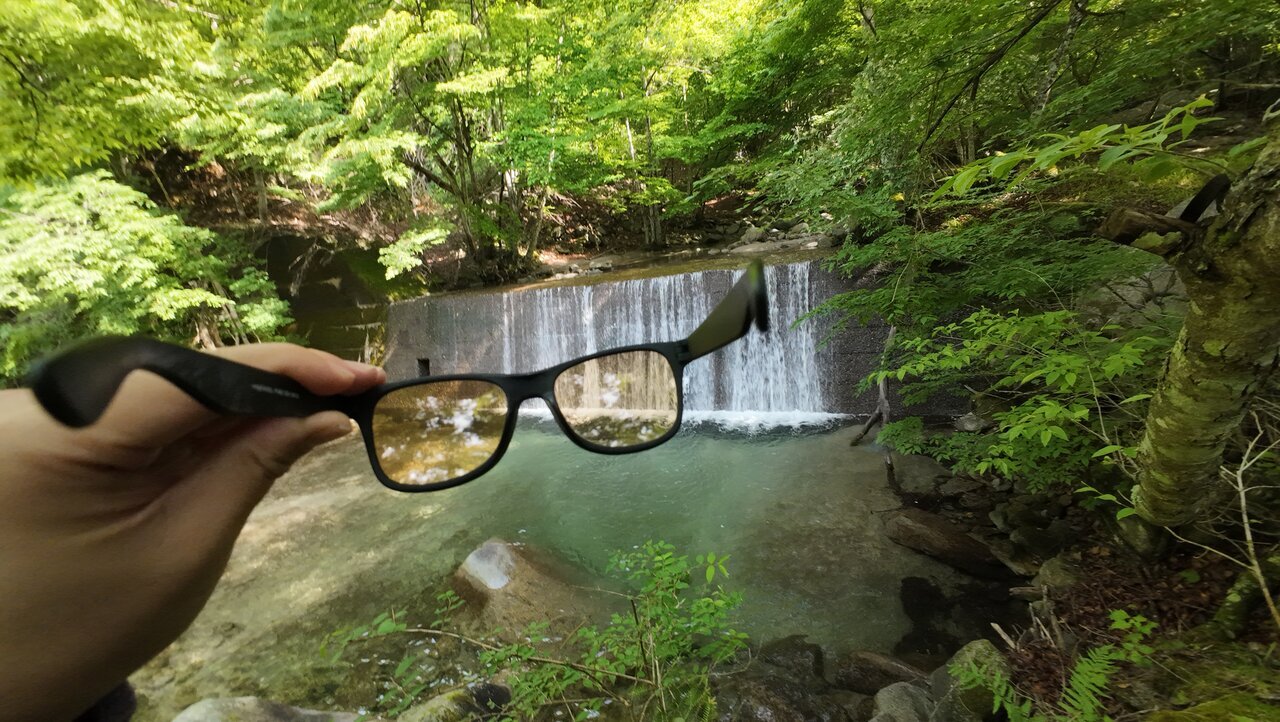
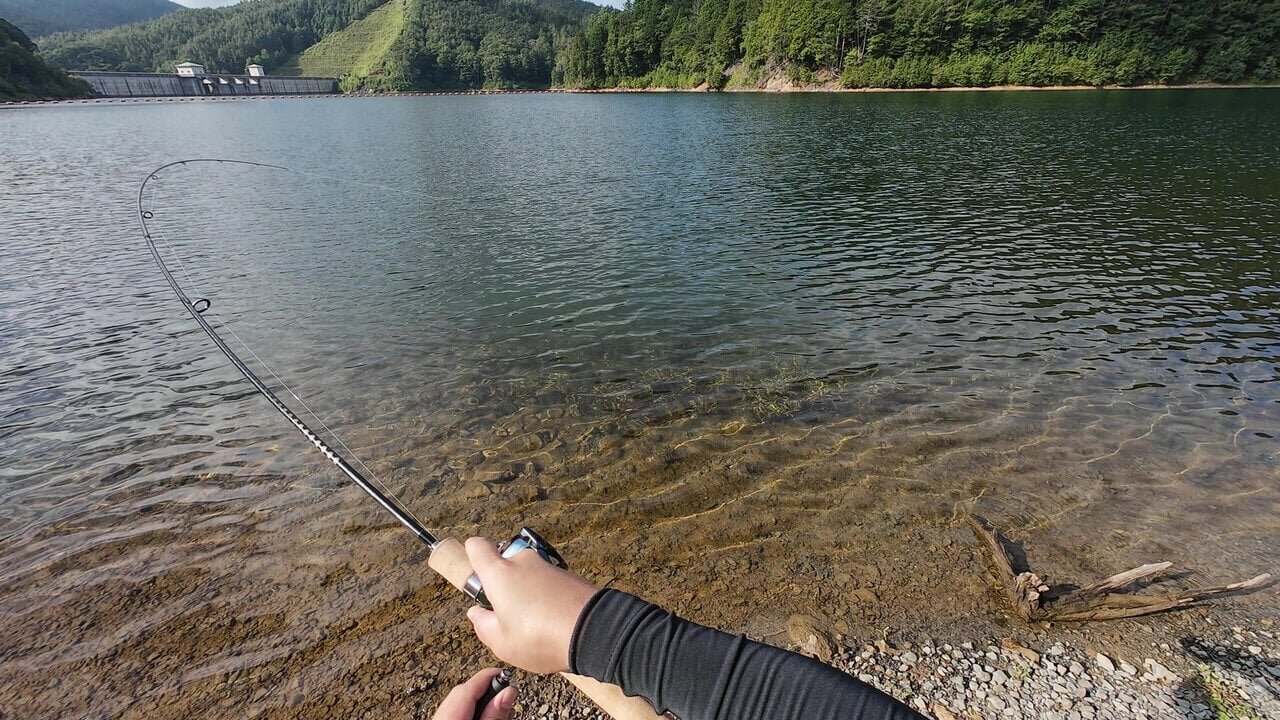
When I actually tried it in the field, fogging occurred when my body temperature rose and I started to sweat. However, thanks to the anti-fog treatment, it cleared up quickly, ensuring a clear view.
My personal impression is that it might be more accurate to say "it's easier to clear up fog" rather than "it doesn't fog." Also, in conditions with consistently high temperatures and humidity, there are some situations where its effectiveness is somewhat diminished.
Unfortunately, on this day, the anti-fog treatment didn't lead to any catch, but I was still able to enjoy pursuing fish as usual. I believe that anti-fog treatment is necessary for the upcoming fishing season.
My personal impression is that it might be more accurate to say "it's easier to clear up fog" rather than "it doesn't fog." Also, in conditions with consistently high temperatures and humidity, there are some situations where its effectiveness is somewhat diminished.
Unfortunately, on this day, the anti-fog treatment didn't lead to any catch, but I was still able to enjoy pursuing fish as usual. I believe that anti-fog treatment is necessary for the upcoming fishing season.
Interview/Words by Kazuma Tanaka.
- SHARE



![[Midnight Drive] I wanted to cool off a bit, so I went for an adult night stroll at the retro vending machine corner in Sagamihara.](https://cdn.clipkit.co/tenants/1046/articles/images/000/032/887/large/a1bf17cd-06d0-4ad5-8236-8fd2970728e5.jpg?1787522426)

![[Interview] Bongo Brownie ✕ VAN LIVING What is the concept of living space that can be enjoyed with simple DIY?](https://cdn.clipkit.co/tenants/1046/articles/images/000/029/348/large/1669c7fe-4dba-4cc5-b0a3-7defa56bc0c0.jpg?1774904732)

 FASHION
 OUTDOOR
 WATCH
WATCH CAR & BIKE
 SNAP
SNAP DINING
 LIFE
LIFE GADGET
 GOLF
GOLF